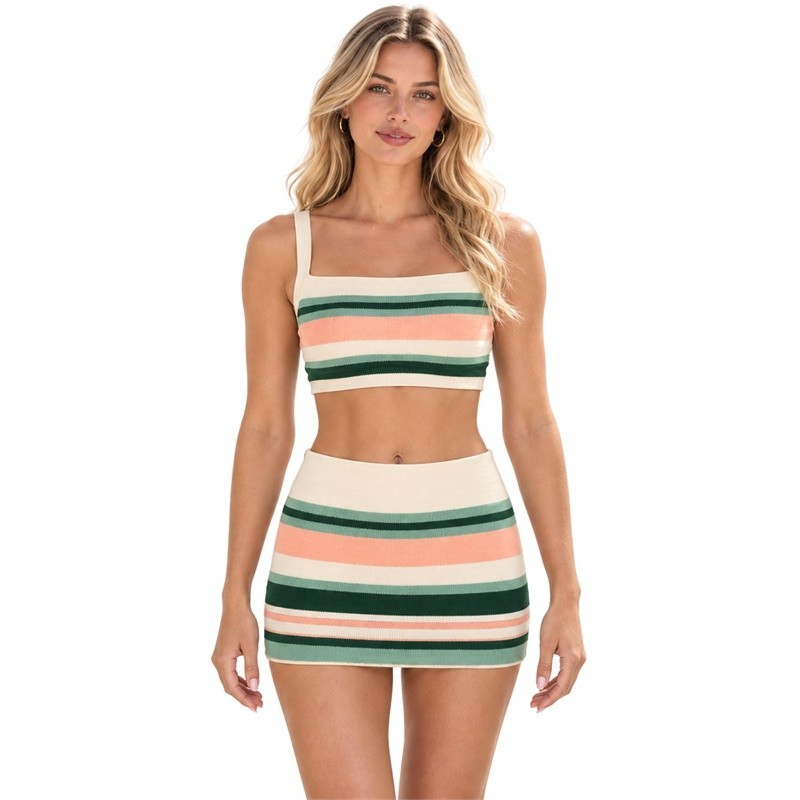
2027 Sports Bra Trends: Necklines, Back Designs & Support Features

Sports bras have evolved from basic workout essentials into key fashion pieces in modern women's activewear collections. Today, consumers expect more than functional support. They also look for flattering necklines, distinctive back designs, comfortable fabrics, and versatile styles that fit different workouts and everyday activities.
For 2027, sports bra design is moving toward a more refined balance of feminine aesthetics, functional support, and everyday comfort.
From square-neck and scoop-neck silhouettes to cross-back straps, open-back details, and seamless construction, brands have more opportunities to create sports bras that combine visual appeal with practical performance.
For activewear brands planning their next collection, understanding these design directions can help create products that stand out in a competitive market.
In this guide, we explore seven sports bra trends worth watching in 2027, covering necklines, back designs, support features, fabrics, and customization ideas for your next activewear collection.
Treat these as design directions to test with your target customers, rather than confirmed forecasts of future demand. The activewear industry trends articles provide further seasonal context.
1. Square Neck Sports Bras: Clean Lines & Modern Minimalism
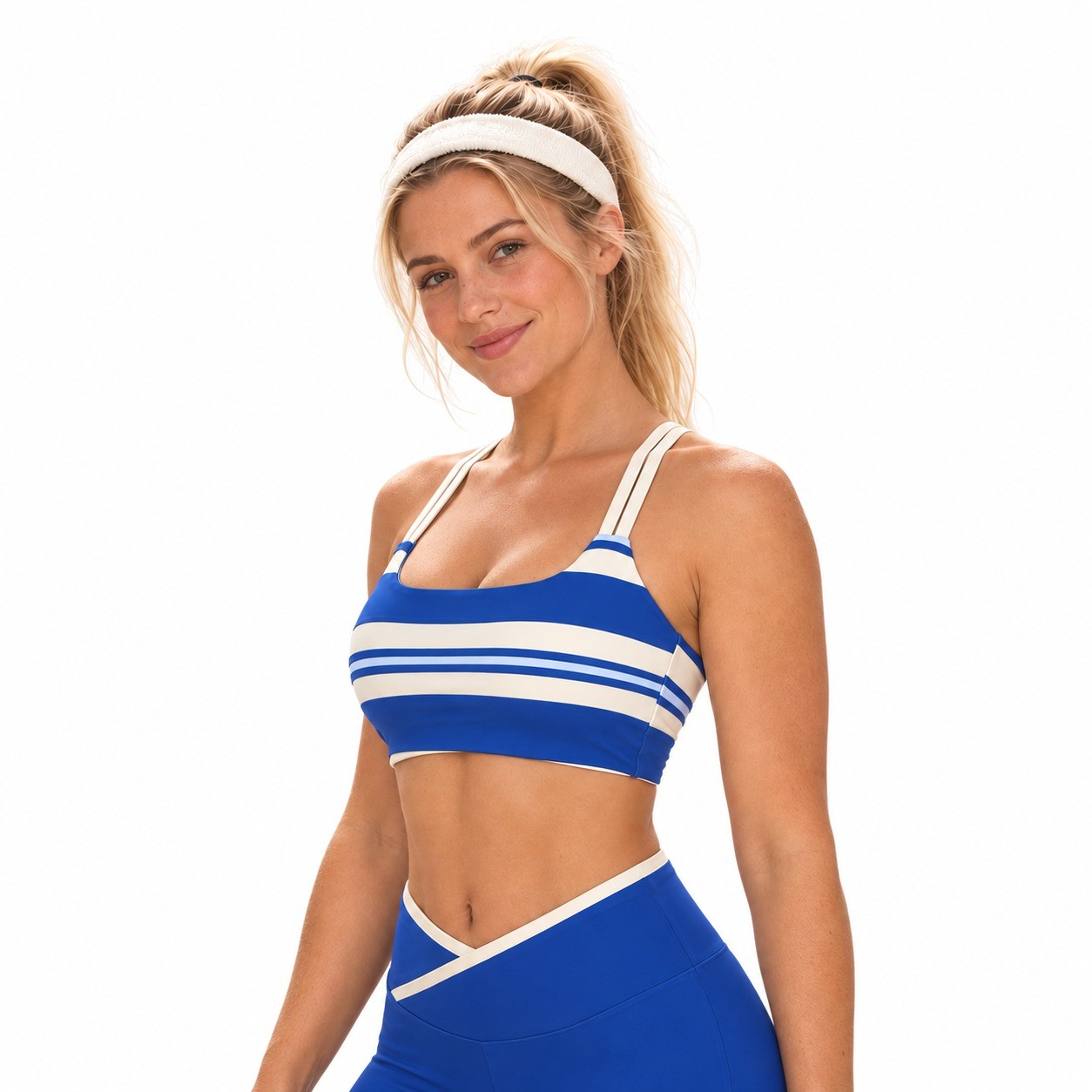
Square-neck sports bras are an appealing choice for brands developing modern, minimalist activewear collections.
Unlike traditional round necklines, the square neckline creates a more defined shape around the collarbone and shoulders. It also gives sports bras a slightly more fashion-oriented appearance, making them suitable for both studio workouts and everyday styling.
Key Design Features
- Clean, structured square neckline.
- Wide shoulder straps for a balanced appearance.
- Comfortable elastic underband.
- Removable padding options.
- Smooth, body-contouring fabric.
Design Variations to Explore
Classic Square-Neck Bra
A simple square neckline with wide straps creates a timeless silhouette that works well across different collections.
Low Square-Neck Sports Bra
A slightly lower neckline introduces a more feminine look, particularly suitable for yoga and Pilates collections.
Longline Square-Neck Bra
An extended hem provides additional coverage and creates a versatile bra-top silhouette.
Brand Development Opportunity
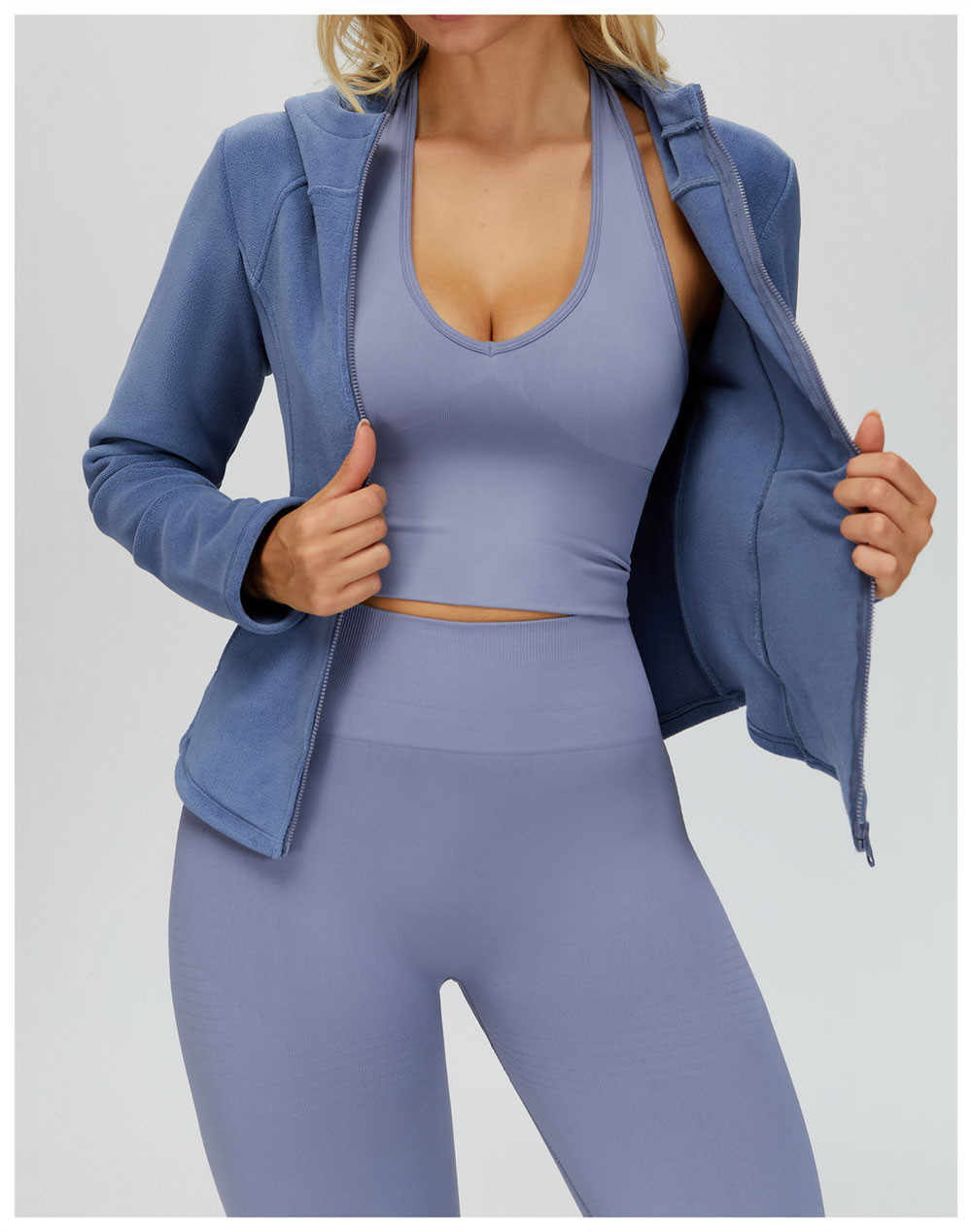
Square-neck sports bras work particularly well in matching sets. Brands can pair them with high-waisted leggings or flared yoga pants to create coordinated products.
For a premium collection, consider neutral colors such as chocolate brown, cream, charcoal, and muted sage.
Compare styling references in the custom yoga bras collection, then explore the custom sports bra manufacturing solution to translate the preferred look into a construction brief.
2. Scoop-Neck Sports Bras: Soft, Feminine & Versatile
Scoop-neck sports bras feature a curved neckline that creates a softer appearance than square or high-neck designs.
A scoop neckline can be used in different constructions; suitability still depends on the complete garment, intended wearer and activity.
They are particularly relevant for yoga, Pilates, stretching, and everyday low-impact activities.
Key Design Features
- Rounded front neckline.
- Comfortable shoulder straps.
- Flexible underband construction.
- Optional removable bra pads.
- Smooth, soft-touch fabrics.
Popular Design Directions
Classic Scoop-Neck Bra
A simple, curved neckline offers a clean and versatile everyday design.
Deep Scoop-Neck Bra
A lower neckline creates a more fashion-forward appearance, with coverage and stability carefully considered during development.
Ribbed Scoop-Neck Bra
Textured ribbed fabric introduces subtle visual interest without requiring additional decorative details.
Longline Scoop-Neck Bra
An extended body provides additional coverage and can be styled as a standalone top.
For brands, scoop-neck designs offer a versatile foundation for building core sports bra collections in multiple colors and fabric options.
3. High-Neck Sports Bras: Coverage Meets Performance
High-neck sports bras are an option for consumers who prefer additional front coverage. The security of the fit still depends on the complete garment construction.
They are particularly suitable for training activities where stability and coverage are important.
For 2027 collections, brands can explore cleaner high-neck silhouettes that combine performance-oriented construction with minimalist styling.
Key Design Features
- Higher front neckline.
- Secure chest coverage.
- Wide or supportive shoulder straps.
- Stable underband construction.
- Optional removable padding.
Design Variations
Classic High-Neck Bra
A simple high neckline provides additional front coverage and a sporty appearance.
Racerback High-Neck Bra
Combining a high neckline with a racerback structure creates a streamlined athletic silhouette.
Zip-Front High-Neck Bra
A front zipper adds a functional design detail and makes the garment easier to put on and take off. Zipper placement and skin protection should be carefully considered.
Best Applications
- Medium-impact training.
- Gym workouts.
- Strength training.
- Functional fitness.
The required support level should be determined by the intended activity, construction, and wearer testing rather than neckline height alone.
Sports Bra Necklines: Compare Coverage and Development Priorities
| Neckline direction | Visual or coverage intention | Details to define | What to check during sampling |
|---|---|---|---|
| Square neck | Defined front shape | Neckline depth, corner shape and strap spacing | Gaping, edge stability and coverage during bends |
| Scoop neck | Curved, softer front line | Scoop depth, edge finish and front coverage | Coverage, fabric tension and comfort when moving |
| High neck | Additional front coverage | Neckline height, armhole shape and front construction | Comfort at the neck and armholes, coverage and ease of movement |
| V-neck | Angled front shape | V depth, front overlap or joining method | Coverage and stability at the lowest front point |
Longline describes body length, rather than a neckline type, and can be combined with several necklines. None of these visual choices establishes a support rating on its own.
4. Cross-Back & Open-Back Sports Bras: Make the Back Design Stand Out
The back of a sports bra is an important opportunity for product differentiation.
While front designs often focus on neckline shapes, back construction can introduce more distinctive styling through strap arrangements, cutouts, and panel details.
For brands developing 2027 collections, back designs can become a recognizable element of their product identity.
Cross-Back Sports Bras
Cross-back designs feature straps that cross over one another at the back, creating a distinctive silhouette.
Design Features:
- Intersecting shoulder straps.
- Multiple strap configurations.
- Balanced strap placement.
- Options for narrow or wider straps.
Cross-back styles can offer a combination of visual interest and functional stability, depending on strap geometry and construction.
Racerback Sports Bras
Racerback designs bring the shoulder straps together toward the upper back, creating a classic athletic silhouette.
Design Features:
- Centralized back strap structure.
- Greater freedom around the shoulder blades.
- Sporty and streamlined appearance.
- Suitable for a range of support constructions.
Open-Back Sports Bras
Open-back designs introduce cutouts and exposed areas that create a lighter, more fashion-oriented appearance.
Design Features:
- Geometric back cutouts.
- Multiple thin straps.
- Open-back panel construction.
- Decorative strap arrangements.
These designs are particularly suitable for yoga, Pilates, and studio-focused collections where appearance and freedom of movement are important.
Keyhole-Back Sports Bras
Keyhole designs use a smaller opening at the back to create a subtle design feature without exposing as much skin as a fully open-back construction.
They offer a practical middle ground between minimalist and statement back designs.
Design Development Tip
Back design should not be selected for appearance alone. Brands should also evaluate strap tension, shoulder comfort, coverage, stability, and ease of movement during sampling.
Back Designs: What Should the Sample Review Compare?
| Back design | Construction direction | Parameters to document | Sample review focus |
|---|---|---|---|
| Cross-back | Straps cross behind the wearer | Crossing point, strap length, width and elasticity | Pressure at the crossing, strap stability and ease of dressing |
| Racerback | Straps converge toward the upper back | Junction position, armhole shape and back panel dimensions | Shoulder comfort and whether the garment shifts during movement |
| Open back | Cutouts or reduced back-panel coverage | Opening dimensions, strap anchors and edge construction | Edge stability, coverage and support across the intended sizes |
| Keyhole back | A smaller opening within the back structure | Opening size, placement and surrounding panel shape | Gaping, edge comfort and recovery after wear and washing |
Use these as briefing fields, not universal specifications. Confirm dimensions and tolerances for each style. For related construction reading, browse the activewear product knowledge guides.
5. Seamless & Ribbed Sports Bras: Texture Meets Comfort
Seamless and ribbed sports bras offer opportunities to create distinctive products through fabric construction and surface texture.
Rather than relying on complicated graphics or oversized branding, these designs use subtle material details to create a more refined appearance.
Seamless Sports Bras
Seamless construction reduces traditional stitched seams in selected areas of the garment, creating a smoother overall appearance.
Key Features:
- Reduced visible seam lines.
- Body-contouring construction.
- Engineered stretch zones.
- Comfortable fit.
- Opportunities for integrated textures and patterns.
Ribbed Sports Bras
Ribbed fabrics introduce subtle texture and dimension while maintaining a clean aesthetic.
Popular Design Ideas:
- Fine vertical ribbing.
- Wide ribbed underbands.
- Tonal textured panels.
- Contrast ribbed details.
- Ribbed matching sports bra and leggings sets.
Seamless Matching Sets
Brands can combine seamless sports bras with matching leggings to create coordinated collections.
For premium product development, fabric consistency, stretch recovery, and size grading should be carefully evaluated across the entire set.
6. Support Features: How to Match Sports Bra Design with Different Activities
While visual design is important, support remains one of the most critical factors in sports bra development.
Different activities require different levels of support. A bra designed for gentle Pilates movements may not provide enough stability for running or high-intensity training.
For brands, understanding these differences helps create more targeted products. The examples below describe starting points for a design brief. Individual support needs vary, including within the same activity, and should be checked in fit and movement trials.
Low-Support Sports Bras
Low-support designs prioritize softness, flexibility, and comfortable movement.
Key Features:
- Soft stretch fabrics.
- Flexible shoulder straps.
- Comfortable underbands.
- Lightweight construction.
- Removable padding options.
Suitable for:
- Yoga.
- Pilates.
- Stretching.
- Everyday wear.
Medium-Support Sports Bras
Medium-support bras offer a balance between comfort and stability.
Key Features:
- Wider shoulder straps.
- More structured underbands.
- Supportive lining or cup construction.
- Secure neckline coverage.
- Stable back designs.
Suitable for:
- Gym workouts.
- Strength training.
- Cycling.
- Moderate-impact fitness activities.
High-Support Sports Bras
High-support sports bras are designed for activities involving greater movement and impact.
Key Features:
- More structured support construction.
- Wider and more stable shoulder straps.
- Secure underband construction.
- Additional coverage.
- Carefully engineered cup and lining structures.
Suitable for:
- Running.
- Jump training.
- High-intensity interval training.
- High-impact fitness activities.
Sports Bra Support Comparison
| Support Level | Key Design Features | Intended Activities |
|---|---|---|
| Low Support | Soft fabrics, flexible straps, light construction | Yoga, Pilates, stretching |
| Medium Support | Stable underband, wider straps, structured lining | Gym, cycling, strength training |
| High Support | More structured construction, secure straps and coverage | Running, HIIT, jumping |
These are general product-development categories, not universal performance ratings. Actual support depends on fabric properties, garment construction, size, fit, and individual body requirements.
For manufacturers, support should be evaluated through fit testing and movement testing rather than relying on design appearance alone.
The sports bra support engineering guide explores how the underband, straps, cup structure and fit work together. Use an agreed sample-testing process across the intended size range before describing a style as low, medium or high support.
7. Fabric & Construction Details: What Makes a Good Sports Bra?
The right fabric and construction determine how a sports bra feels, fits, and performs.
For 2027 collections, brands should look beyond appearance and consider the technical properties of each material.
Review activewear fabric R&D and testing capabilities when comparing candidate materials. Fabric composition alone does not confirm the support of a finished sports bra.
Nylon-Spandex Blends
Nylon-spandex blends are widely used in fitted sports bras because they can offer:
- Smooth and soft hand feel.
- Flexible stretch.
- Good shape recovery.
- Comfortable body fit.
- Suitable support when properly engineered.
Best for: Yoga bras, Pilates bras, seamless sports bras, and matching activewear sets.
Recycled Nylon Fabrics
Recycled nylon provides an option for brands developing more sustainability-focused activewear collections.
Depending on fabric construction, it can offer the stretch and comfort required for fitted sports bras.
Best for: Sustainable yoga bras, recycled activewear sets, and premium private-label collections.
Brands should verify recycled-content claims with appropriate documentation and certification.
Polyester-Spandex Blends
Polyester-spandex fabrics can be suitable for sports bras requiring flexibility, durability, and versatile color development.
Best for: Training bras, printed sports bras, and functional activewear collections.
Important Construction Details
Beyond the main fabric, several smaller components influence the finished product.
Removable Bra Pads
Removable pads provide styling and coverage flexibility. Brands should consider pad thickness, shape, insertion openings, and stability during movement.
Elastic Underbands
The underband plays an important role in garment stability. Its width, stretch, recovery, and skin comfort should be evaluated carefully.
Shoulder Strap Construction
Strap width, elasticity, placement, and adjustment options affect pressure distribution and wearing comfort.
Inner Lining
Lining construction can influence coverage, comfort, and the overall feel of the sports bra.
For a closer comparison of shell and lining choices, read double-layer sports bras: lining, coverage and support.
Flat Seams and Clean Finishes
Well-finished seams help reduce unnecessary bulk and improve the overall appearance of the garment.
8. How to Develop a Commercial Sports Bra Collection for 2027
Following trends is only the first step. Brands also need to consider customer needs, product positioning, and manufacturing feasibility.
Here are four practical steps for developing a cohesive sports bra collection.
Step 1: Build a Balanced Neckline Selection
Start with a focused selection of different neckline styles.
A potential collection could include:
| Sports Bra Style | Design Direction |
|---|---|
| Square-Neck Bra | Minimalist and modern |
| Scoop-Neck Bra | Soft and versatile |
| High-Neck Bra | Additional front coverage |
| V-Neck Bra | Feminine and streamlined |
| Longline Bra | Extended coverage |
| Cross-Back Bra | Distinctive back styling |
This creates variety without making the collection feel disconnected.
Step 2: Develop Different Back Designs
Back design is an effective way to introduce variety within a collection.
Consider combining:
- Classic racerback.
- Cross-back straps.
- Open-back cutouts.
- Keyhole-back details.
- Adjustable strap designs.
Brands can maintain the same fabric and color palette while using different back constructions to create multiple product options.
When extending the range into coordinated outfits, use the custom sports bra and leggings matching-set guide. The custom yoga set manufacturing solution covers coordinated top-and-bottom development.
Step 3: Match Support Levels with Product Positioning
Avoid designing every sports bra with the same level of support.
Instead, develop different products for different activities and customer preferences.
For example:
- Pilates collection: soft, flexible, low-support designs.
- Studio collection: comfortable low-to-medium-support bras.
- Training collection: more structured medium-to-high-support designs.
This helps brands communicate product benefits more clearly and reach different customer groups.
Step 4: Test Fit, Support, and Construction Before Bulk Production
Before approving a sports bra for mass production, brands should evaluate:
- Neckline coverage during movement.
- Shoulder strap stability.
- Underband pressure and recovery.
- Removable pad positioning.
- Cup coverage and shape.
- Comfort across different sizes.
- Fabric stretch and recovery after washing.
Fit testing should involve different body sizes and movement conditions to identify potential issues before bulk production.
Record the approved sample, measurements, materials and revision notes so production has a clear reference. The activewear customization guides provide further guidance on planning a custom order.
9. Develop Custom Sports Bras with Bloomto
At Bloomto, we help activewear brands turn their sports bra concepts into customized products through OEM, ODM, and private-label manufacturing.
Whether you are developing a minimalist Pilates bra collection, a functional training range, or a coordinated sports bra and leggings series, our product development team can support different stages of your project.
Our Custom Sports Bra Capabilities
Custom Necklines
Develop square-neck, scoop-neck, V-neck, high-neck, and other customized neckline designs.
Custom Back Designs
Explore racerback, cross-back, open-back, keyhole-back, and adjustable strap constructions.
Custom Support Features
Customize underband width, strap construction, lining, removable bra pads, and other support-related details according to product requirements.
Custom Fabrics & Colors
Choose from nylon-spandex, recycled nylon, polyester-spandex, and other suitable performance fabric options. Develop custom colors using Pantone references.
Private Label Customization
Add your brand identity through custom logos, woven labels, care labels, hangtags, and packaging.
Explore the private label activewear manufacturing service for the branding elements needed to complete the collection.
Why Choose Bloomto?
- Established in 2015.
- More than 3,000 brands served.
- MOQ starting from 100 pieces per style per color.
- Sample development in approximately 7–15 days.
- Bulk production in approximately 30–45 days.
- Dedicated design, pattern-making, and product development support.
From initial design concepts to finished products, we work with brands to develop sports bras that reflect their design vision, target customers, and product requirements.
Ready to Develop Your 2027 Sports Bra Collection?
Whether you are looking for custom square-neck sports bras, cross-back designs, seamless Pilates bras, or supportive training bras, Bloomto can help bring your ideas to life.
Final Thoughts
Sports bras are no longer defined by function alone. Their necklines, back designs, fabric textures, and support construction all contribute to the overall product experience.
For 2027, square-neck silhouettes, distinctive back details, seamless textures, and thoughtfully engineered support features offer interesting directions for activewear brands to explore.
The opportunity lies in creating sports bras that combine attractive design with the right fit and functionality for their intended activities.
With thoughtful product development and the right manufacturing partner, brands can turn these design ideas into distinctive sports bra collections that meet the evolving needs of modern consumers.
Frequently Asked Questions
1. What are the main sports bra trends for 2027?
Design directions worth exploring include square-neck and scoop-neck styles, high-neck silhouettes, cross-back straps, open-back designs, seamless construction, ribbed textures, and more carefully engineered support features.
2. What sports bra neckline styles can brands compare?
Common neckline options include square neck, scoop neck, V-neck, round neck, and high neck. Each creates a different appearance and offers different coverage characteristics.
3. What is the difference between racerback and cross-back sports bras?
Racerback sports bras bring the shoulder straps together toward the upper back, creating a streamlined athletic structure. Cross-back sports bras feature intersecting straps that create a more decorative back design. Their support depends on the complete garment construction.
4. How do I choose the right sports bra support level?
Start with the intended activity and wearer, then assess fit, cup coverage, underband stability and strap comfort during representative movements. Running and jumping briefs call for particular attention to movement control, but activity names alone cannot determine an individual wearer's support needs. Validate the complete garment before assigning a support category.
5. What fabrics are best for sports bras?
Nylon-spandex blends are popular for their smooth feel and stretch. Recycled nylon and polyester-spandex blends are also worth considering. Fabric selection should depend on the intended support, comfort, durability, and product positioning.
6. Can I customize sports bras with my own design?
Yes. Bloomto supports customized necklines, back designs, shoulder straps, underbands, removable pads, fabrics, colors, logos, labels, and packaging.
7. What is the MOQ for custom sports bras at Bloomto?
Our standard MOQ starts from 100 pieces per style per color, with a 4–5 size range. Specific requirements can be discussed according to the product and customization details.
8. How long does it take to develop custom sports bras?
Sample development typically takes 7–15 days, while bulk production generally takes 30–45 days, depending on product complexity, materials, and order requirements.
9. Does a high neckline automatically make a sports bra high support?
No. A high neckline provides more front coverage, but support depends on the interaction of the fabric, cup or lining structure, underband, straps and fit. Assess the complete garment during representative movements across the planned size range.
10. Do removable pads provide the main support in a sports bra?
Not by themselves. Removable pads can change coverage and shape, while the garment's other components also contribute to support. Check pad positioning and stability together with the lining, underband and straps; do not use the presence of padding as proof of a support rating.
Planning your next sports bra collection? Share the intended activities, size range, neckline and back references, fabric preferences, quantities and launch timing. Contact Bloomto about custom sports bra development to discuss the brief and sampling requirements.