Double-Layer Sports Bras: How Do Linings Affect Coverage and Support?
A double layer sports bra uses an outer fabric and an inner fabric layer in a specified area of the garment. The lining can improve visual coverage, cover internal seams and help manage stretch, depending on its material and construction. Two layers alone do not establish a support level: fit, cup shape, underband, straps and the behavior of the finished garment all matter.
For a brand developing a new style, the useful question is what each layer should do. This guide explains how to define the layer map, compare fabric pairings and decide which evidence to collect before approving a sample with Bloomto or another manufacturing partner.
The development decision in three parts
- Map the construction: identify the lined zones, pocket openings and any separate inserts.
- Choose the pair: compare the actual shell and lining together, including stretch direction and color.
- Verify the garment: assess coverage, movement, comfort and behavior after the agreed care procedure.
01 / Start with a layer map
What Is a Double Layer Sports Bra?
In this article, “double layer” describes two fabric layers assembled in the garment, such as a shell with a lining. Specify the area: a lined front with an unlined back is different from a fully lined body. A fabric described as “double knit” also needs clarification; its knitting structure does not by itself tell you how many separate garment panels have been assembled.
Outer fabric, lining and optional cup pockets
The outer fabric establishes the visible color, texture and finish. The sports bra lining provides an inner surface and may cover seam allowances, contribute to opacity or form part of a cup pocket. Neither role defines a particular fiber blend or performance rating.
Conceptual cutaway: two possible arrangements
A / Shell with a lining
Garment exterior
Toward the body
Two textile layers; no pad shown.
B / A pocket between the layers
Garment exterior
Toward the body
Two textile layers plus an optional insert.
Record the front, back, side panels and underband separately. Mark where layers join, which edges remain free and whether an opening is intended for a removable pad. A separate pocket bag or localized stabilizer can increase the layer count in that zone.
For a custom sports bra manufacturing brief, include a labeled sketch, inside-out sample photographs and a bill of materials. Product photographs help communicate appearance; the construction drawing and physical sample establish what sits underneath.
02 / Select materials as a pair
Choose the Inner and Outer Layer Fabrics
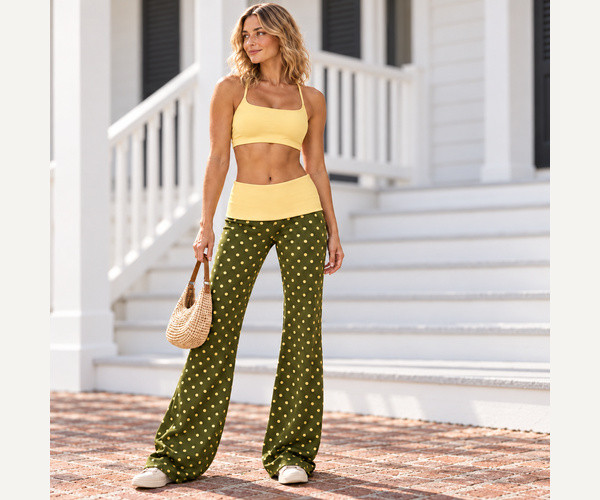
Review the shell and lining separately, then as an assembly. Two swatches that feel comfortable in isolation can behave differently once their edges are sewn together. Keep a reference card for each material: supplier code, composition, construction, weight, finish, color, stretch direction and lot identification.
Stretch balance, breathability and opacity
Stretch balance means an intentional relationship, not necessarily identical fabrics. Compare how much each layer extends under the same defined conditions and how it recovers afterward. If the lining is designed to limit extension, the pattern and size range must account for that role. If it is meant to follow the shell, check for pulling, rippling or edge distortion in the assembled sample.
ISO 20932-1:2018 describes fabric-strip methods for elasticity and related properties, excluding narrow fabrics. Agree the applicable edition and amendment, direction, loading procedure and recovery measurement with the test provider. The same fiber percentages or a “four-way stretch” description are insufficient for comparing two reports.
Swipe horizontally to compare the fabric-pairing options.
| Pairing | Development reason | What to verify |
|---|---|---|
| Shell with a self-fabric lining | Use the same fabric type for an inner and outer surface with a similar feel. | Combined weight and thickness, extension after assembly, edge bulk, coverage and heat/moisture comfort. |
| Shell with a lighter, smooth lining | Introduce a different inner surface while controlling added bulk. | Stretch compatibility, opacity in each colorway, seam stability, surface feel and differential dimensional change after care. |
| Shell with a stabilizing or mesh lining | Investigate localized restraint or ventilation as part of the design. | Where restraint is needed, the intended extension of each zone, pressure and fit, and the actual assembly's coverage and air/moisture behavior. |
These are starting configurations, not a ranking from low to high support. Mesh describes a structure; it does not automatically mean a lining is soft, cooling or suitable for the intended support requirement.
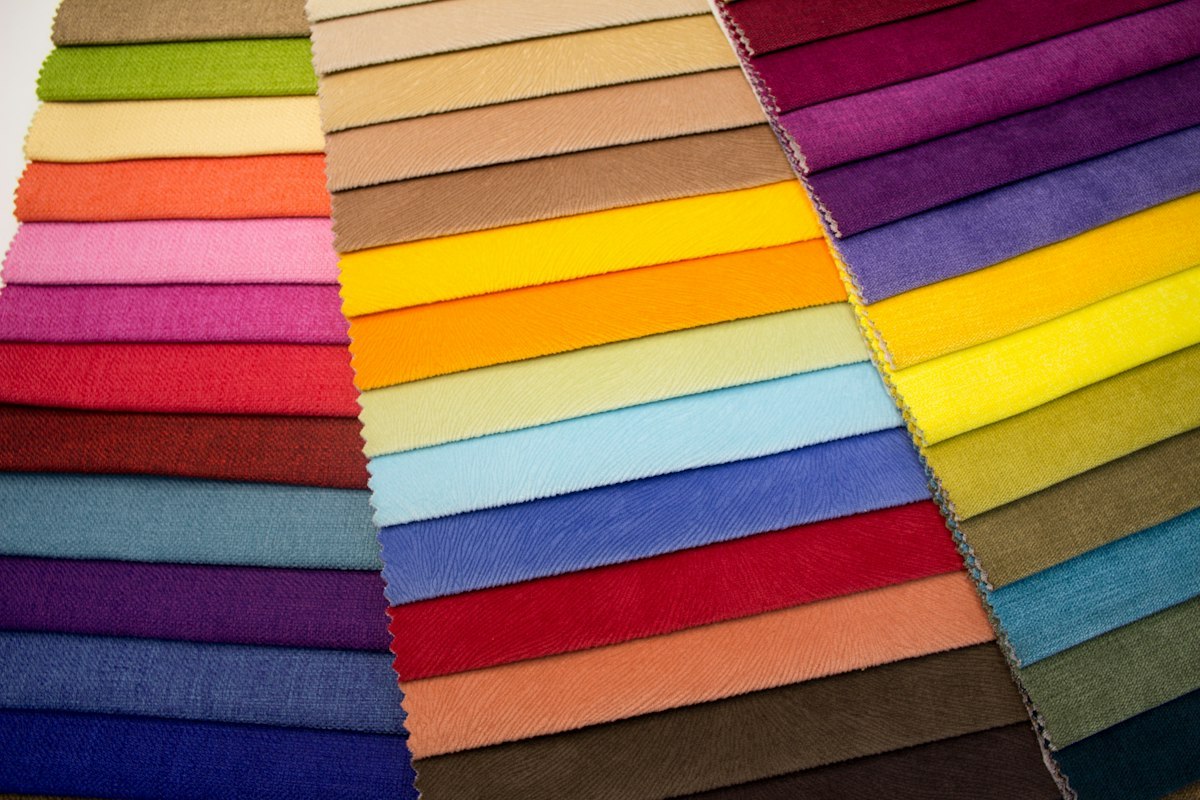
Separate coverage into three questions: can the wearer see through the material, do contours or pad edges show through, and does the neckline provide the intended physical coverage? A lining may help one aspect without resolving the others.
Review the paired fabrics in the intended colorways, at realistic wearing stretch, under consistent lighting. Include dry and agreed damp conditions where relevant. If removable pads are optional in use, check the garment with and without them. Record the background, stretch condition and acceptance reference so another reviewer can repeat the comparison.
Bloomto's performance fabric development page provides the service context for material selection. A useful inquiry names the required behavior of both layers, rather than asking only for a softer or thicker fabric.
Define what “breathable” means in the brief
Air flow, water-vapour transfer and drying time are different questions. ISO 9237:1995 addresses air permeability. ISO 11092:2026 addresses thermal and water-vapour resistance and includes multilayer assemblies in its scope. The latter does not define a universal wearer-comfort pass level. Select a relevant method for the actual pair, then evaluate the garment in its intended use.
03 / Evaluate the whole support system
Understand Support in Double Layer Construction
A lining can contribute to how a garment resists deformation, but counting layers cannot determine how much breast movement it controls. A wire free sports bra likewise describes the absence of an underwire, not a verified support category.
Compression, cup shape and underband design
- Compression: the garment holds the breasts closer to the torso. Fabric behavior and pattern dimensions determine the resulting restraint; extra tightness alone is not an approval criterion.
- Encapsulation: shaped cup structures support each breast individually. A plain lining or removable pad does not automatically create that structure.
- Underband, straps and back: evaluate their stability and fit alongside the lined panels. Review riding up, slipping, gaping, pressure and ease of movement on the intended wearers.
In a peer-reviewed study by Norris and colleagues, 98 sports bras were assessed during running. Several design characteristics were associated with breast-movement reduction. The study supports evaluating the complete design, but it does not establish that adding a second layer will give an untested style high support. Its findings should not be turned into a performance claim for a Bloomto sample without relevant testing.
Use the broader sports bra support engineering guide to frame the whole garment. For this lining decision, define the intended activity and size coverage first, then verify the sample under those conditions before assigning a support claim.
Illustrative development decision
Suppose a light colorway needs better visual coverage. Compare the current shell with two candidate linings while keeping the pattern, underband and cup configuration unchanged for the initial trial. If a less extensible lining changes fit, record that effect before revising the pattern. Approve the combined outcome; do not convert an opacity improvement into an unsupported “high-support” claim.
This is a proposed comparison, not a completed Bloomto test or customer case.
04 / Approve the finished assembly
Test the Finished Double Layer Sports Bra
Fabric reports help narrow the choices. Sample approval also needs the layers, seams, elastics and optional cups assembled as intended. Identify every reviewed sample by style, size, color, BOM revision, material lot and care history.
Wet feel, seam bulk and wash recovery
Choose the checks and acceptance criteria before testing. Include the intended activity, relevant size coverage and the garment's proposed care instructions. For repeatable washing and drying procedures, ISO 6330:2021 provides a possible method reference. Specify the selected procedure and cycle count; citing the standard does not mean the garment has passed.
Swipe horizontally to read the sample-review checklist.
| Review area | Keep the comparison consistent | Record before approval |
|---|---|---|
| Visual coverage | Colorway, lighting, background, garment extension and pad-in/pad-out state. | See-through areas, lining show-through, visible pad edges and the agreed appearance reference. |
| Fit and movement | Participant fit, selected size, activity, duration and comparison protocol. | Band movement, neckline gaps, strap behavior, perceived restraint and discomfort; obtain relevant objective evidence for performance claims. |
| Wet feel and drying | Defined wear or wetting procedure, environment and drying conditions. | Cling, perceived wetness and retained moisture where measured. Keep subjective observations separate from timed or instrumented results. |
| Seams and edges | Actual sewn layers at underarm, side and underband junctions. | Bulk, rubbing, seam extension, stitch damage and distortion. Recheck strength and fit after changing the construction. |
| After-care behavior | Agreed washing/drying method and number of cycles; consistent measurement conditions. | Dimensions, shell-to-lining mismatch, rippling, shape retention and any shift in fit. |
| Cup pocket, if used | Approved insert, opening, orientation and care/handling sequence. | Insertion access, retention, folding, rotation and visible edges after movement and care. |
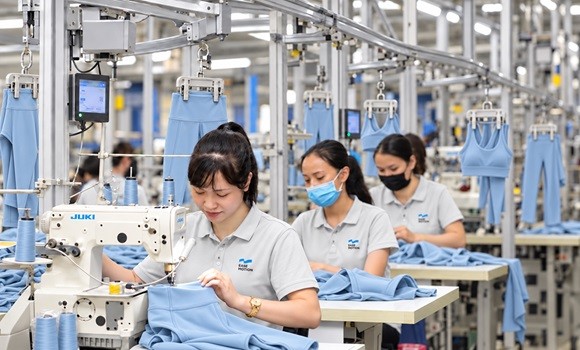
Close the review with a dated decision that names the approved shell, lining, colorways, pattern and construction revision. Keep unresolved items open with an owner and next action. A swatch approval should remain distinct from a finished-garment approval.
To discuss your sports bra development brief with Bloomto, share the intended activity, target size range, color references, layer map and the sample checks you need. These details make it easier to scope the next material and manufacturing steps.
05 / Common questions
Frequently Asked Questions
Does a double layer sports bra always provide high support?
No. “Double layer” describes a construction choice. Support depends on the complete design, fit and the conditions in which it is evaluated. Agree the activity, wearers, sizes and evidence needed before making a support claim.
Can removable pads be used in a double layer design?
Yes, if a suitable pocket and access opening are designed into the garment. The pocket may sit between the two main layers or use an additional panel. Record the actual arrangement and check pad retention, comfort and appearance with the intended insert.
Should the lining use the same fabric as the shell?
It can, but it does not have to. Choose the pairing according to the desired inner feel, coverage, stretch behavior and care performance. Test the assembled combination; matching composition alone does not establish compatibility.
Can two layers guarantee opacity without pads?
No. Check the actual material pair, color and wearing extension under agreed lighting and relevant dry or damp conditions. Assess contour visibility separately from see-through coverage, especially when the style is intended to be worn without inserts.
Sources and Editorial Scope
Prepared by Bloomto as product-development guidance. The cutaway is conceptual and the sample comparison is illustrative. No product-specific test results, customer outcomes or independent certification are asserted in this article.
- Norris et al., “How the characteristics of sports bras affect their performance” — original research published online in Ergonomics in 2020.
- ISO 20932-1:2018 — public scope for fabric elasticity testing using strips; the ISO listing also identifies a 2021 amendment.
- ISO 9237:1995 and ISO 11092:2026 — public scopes for different air, thermal and moisture-related measurements.
- ISO 6330:2021 — public scope for domestic washing and drying procedures used in textile testing.
Sources checked: October 10, 2026. Confirm the applicable methods and acceptance criteria for your project with the testing provider. Image credits appear beside the images.