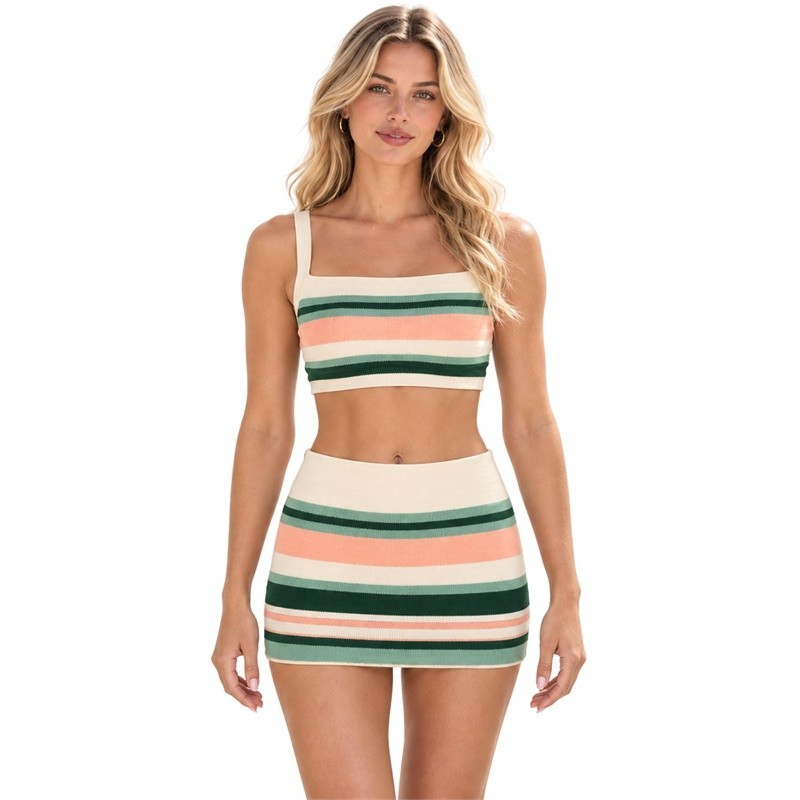
Studio to Street Activewear: How to Design Versatile Pieces for Workouts and Everyday Wear
QUICK ANSWER
How do you design activewear for both workouts and everyday wear?
Start with the intended activity, then combine movement-friendly fit with easy everyday styling. Use opaque, shape-retaining fabrics for leggings; choose support appropriate to the activity for bras and fitted tops; and add comfortable layers such as zip-ups or relaxed shirts. Coordinate colors and finishes across pieces, and test samples during exercise, sitting and walking. Different garments can use different fabrics while sharing one visual identity.
From the Workout Studio to Everyday Life: Developing Activewear That Combines Performance, Comfort and Style
Activewear is no longer limited to the gym, yoga studio, or fitness class. Today, women want clothing that supports their workouts while fitting naturally into their everyday wardrobes. From morning Pilates sessions to coffee dates, shopping trips, casual meetings, and weekend travel, versatile activewear has become an essential part of modern dressing.
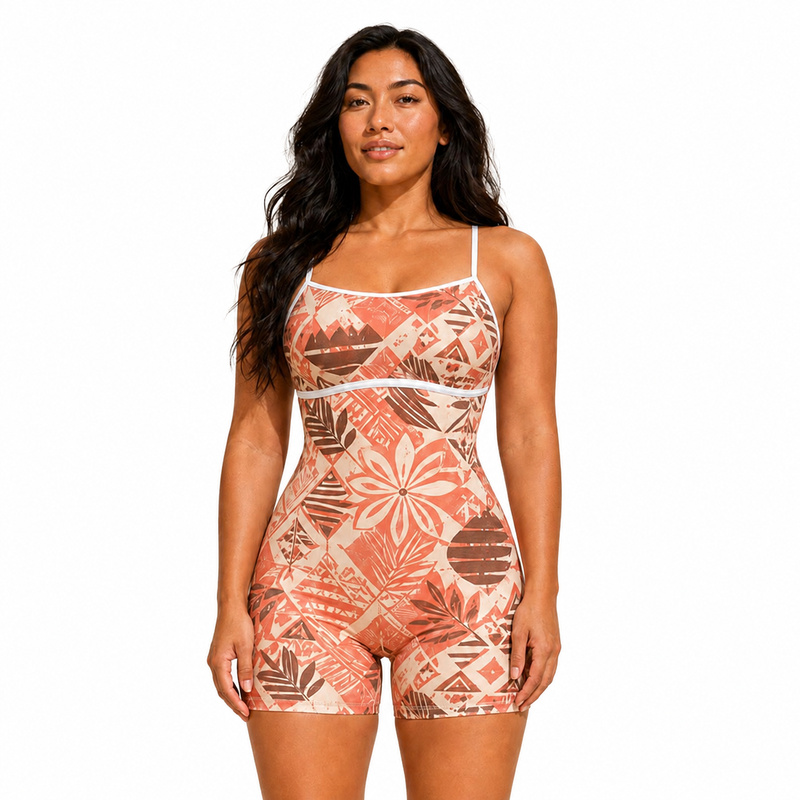
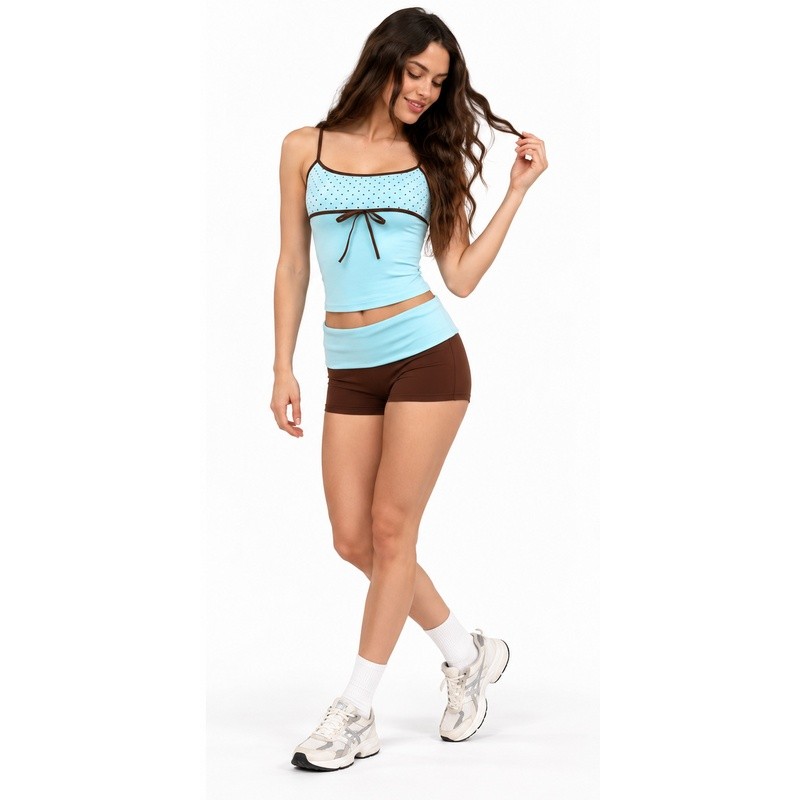
This shift has created new opportunities for brands developing Studio to Street Activewear collections. Instead of focusing exclusively on technical workout clothing, brands are combining performance fabrics, flattering silhouettes, elevated colors, and everyday styling details.
For activewear brands, the challenge is finding the right balance between functionality and fashion.
How can you develop leggings that look stylish outside the gym? Which fabrics offer both athletic performance and a premium appearance? And what types of jackets and tops can transform a basic workout set into a complete everyday outfit?
In this guide, we explore how to develop a versatile women's activewear collection that transitions effortlessly from workouts to everyday wear.
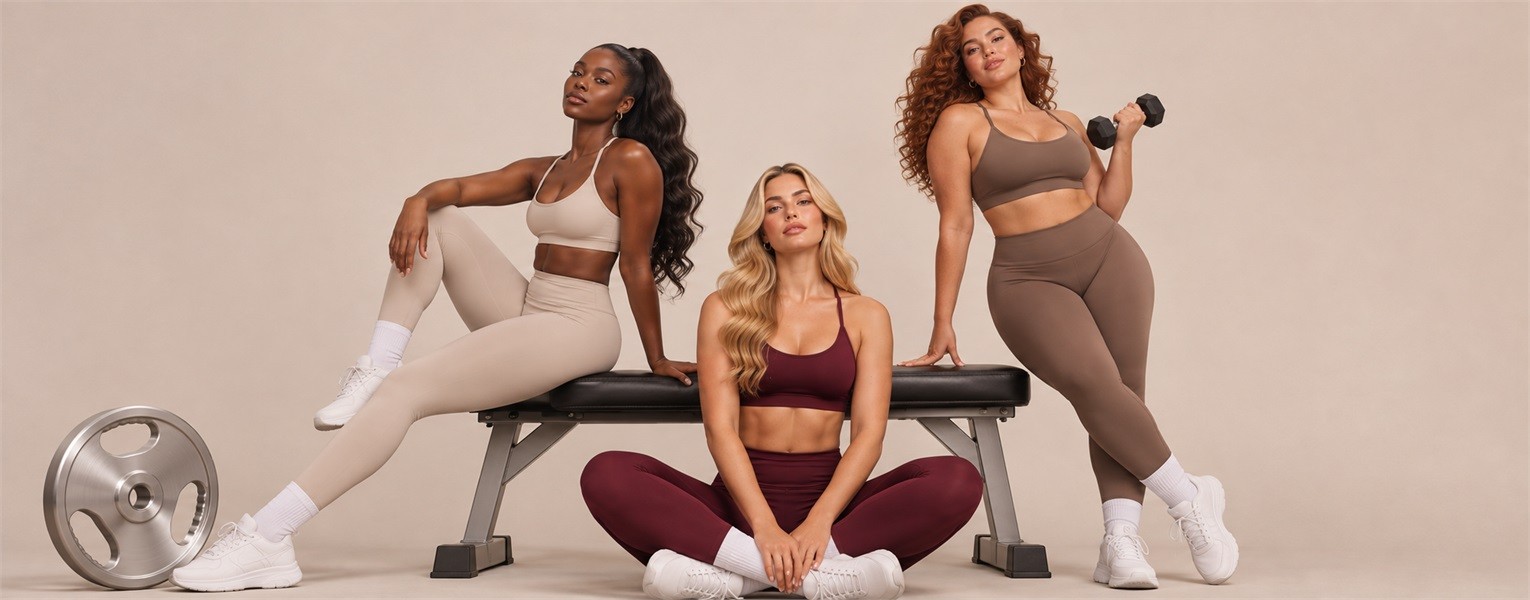
1. Why Is Studio to Street Activewear Becoming More Popular?
The growing popularity of athleisure reflects a change in how women approach their daily wardrobes.
Rather than maintaining separate clothing for fitness, leisure, and casual outings, many consumers prefer versatile pieces that work across multiple activities.
Three major factors are influencing this shift.
1.1 More Flexible Daily Lifestyles
Modern lifestyles often combine different activities throughout the day.
A woman might start her morning with Pilates, stop for coffee, work remotely, and meet friends in the afternoon. Changing outfits between every activity is not always convenient.
Studio-to-street clothing offers a practical solution.
High-waisted leggings, fitted tanks, lightweight jackets, and comfortable tops can create outfits suitable for both exercise and everyday activities.
1.2 Comfort Is Now Part of Everyday Fashion
Comfort has become an important consideration in everyday clothing.
Consumers increasingly appreciate:
- Stretch fabrics that move naturally with the body.
- Soft materials that feel comfortable throughout the day.
- Waistbands that provide support without excessive pressure.
- Breathable fabrics suitable for different activities.
- Flattering silhouettes that create a polished appearance.
For brands, this means developing women's activewear that feels like performance clothing but looks like contemporary lifestyle fashion.
1.3 Consumers Want More Versatile Wardrobes
Customers increasingly look for products that offer more than one styling possibility.
A pair of black leggings can be worn with a sports bra during a workout, an oversized shirt for casual outings, or a fitted knit top for a more elevated look.
This creates an opportunity for brands to develop coordinated collections rather than selling individual workout products.
The key takeaway: Successful studio-to-street activewear should combine three elements: athletic functionality, everyday comfort, and versatile styling.
For a range spanning exercise and casual wear, explore custom women's activewear categories.
2. How to Style Leggings for Both Workouts and Everyday Wear
Leggings are one of the most important products in a studio-to-street collection.
However, designing leggings for everyday wear requires more than creating a comfortable workout bottom. The fit, fabric appearance, waistband construction, and overall silhouette all influence how easily the product transitions between different settings.
2.1 High-Waisted Leggings with Oversized Tops
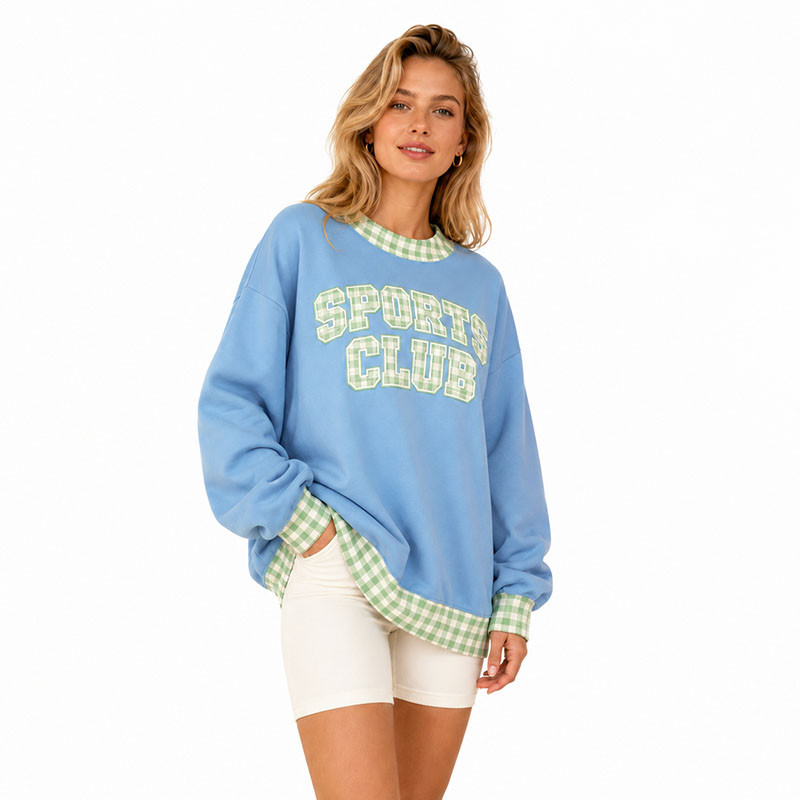
High-waisted leggings paired with oversized T-shirts or relaxed-fit tops create one of the easiest everyday activewear combinations.
This styling works because it balances a fitted bottom with a relaxed upper silhouette.
Product development considerations:
- High-rise waistbands for comfortable coverage.
- Smooth, supportive fabrics that maintain their shape.
- Minimal external seams for a clean appearance.
- Matte fabric finishes for a more refined look.
- Neutral colors such as black, charcoal, espresso, and navy.
For brands, this combination is a practical starting point for building a versatile leggings collection.
2.2 Leggings with Fitted Tanks and Everyday Shirts
Another popular styling option is combining fitted activewear tops with casual outer layers.
For example:
- Sports bra + open oversized shirt + leggings.
- Ribbed tank + lightweight cardigan + leggings.
- Fitted long-sleeve top + high-waisted leggings.
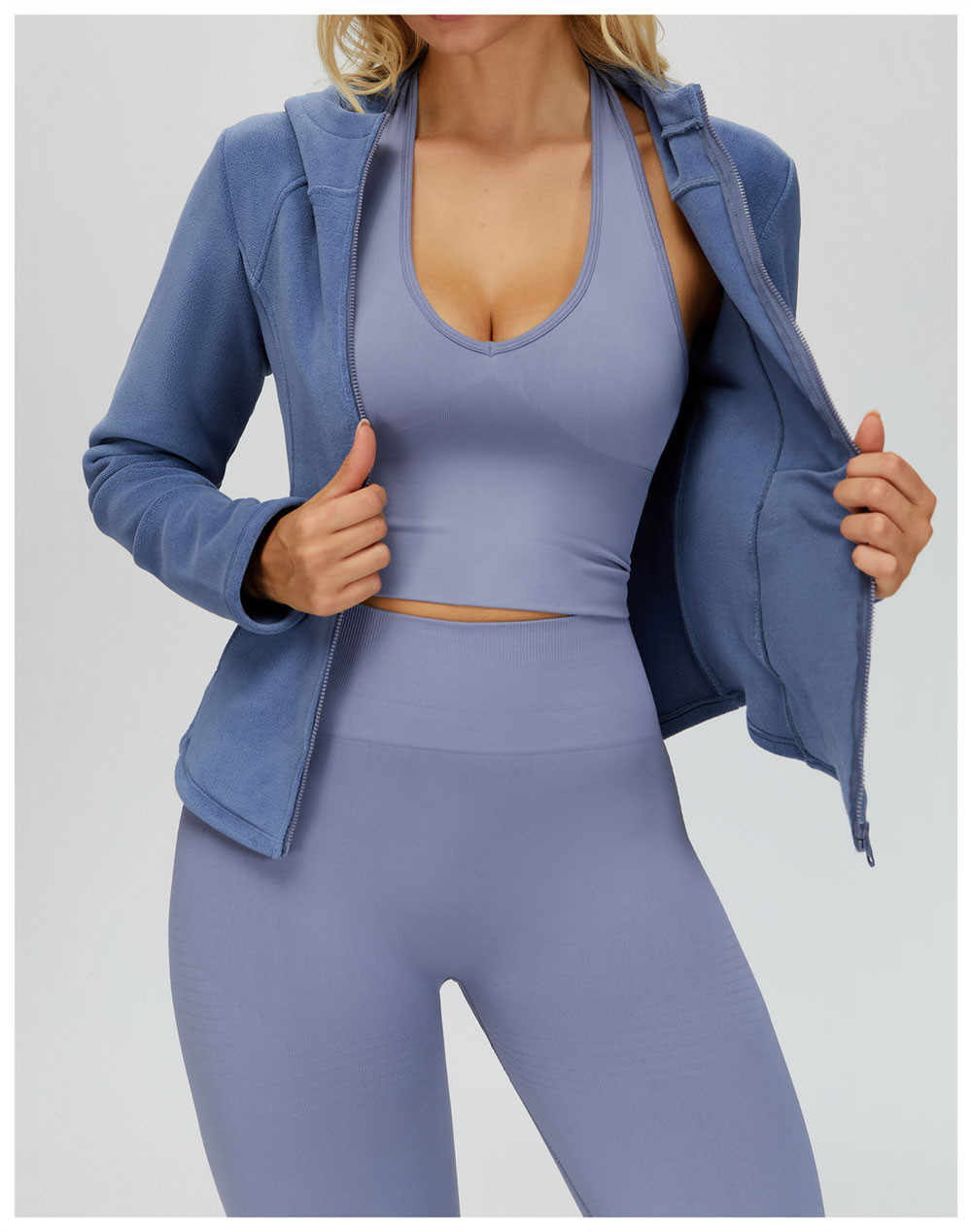
- Cropped tank + relaxed zip-up jacket.
These combinations allow customers to maintain a sporty aesthetic without looking as though they are wearing a complete gym outfit.
For product development, consider creating matching tops and leggings in coordinated colors so customers can purchase individual pieces or complete outfits.
2.3 Flared Leggings for a More Lifestyle-Oriented Look
Flared leggings are another useful category for studio-to-street collections.
Compared with traditional fitted leggings, flared silhouettes offer a more relaxed appearance and can be styled with everyday footwear and casual tops.
Important design details include:
- A comfortable high-rise waistband.
- A fitted hip and thigh area.
- A gradual flare from the knee.
- Sufficient fabric weight to maintain a clean drape.
- Stretch and recovery to prevent bagging at the knees.
Flared leggings can be developed for yoga, Pilates, casual wear, and travel-oriented collections.
Review custom yoga leggings and custom yoga tops and vests as complementary product categories. For a focused starting range, see building a custom leggings capsule collection.
3. Develop Cropped Jackets, Zip-Ups and Lightweight Outerwear
A strong studio-to-street collection should not rely entirely on leggings and sports bras.
Outerwear plays an important role in transforming basic activewear into complete everyday outfits.
For brands developing a broader women's activewear collection, cropped jackets, zip-up tops, and lightweight track jackets are particularly useful product categories.
3.1 Cropped Jackets
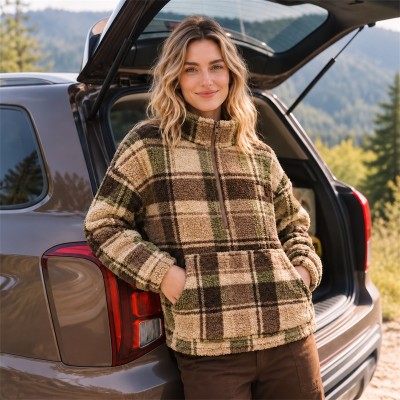
Cropped jackets combine athletic styling with a more fashionable silhouette.
They can be worn over sports bras, fitted tanks, and matching leggings.
Recommended design features:
- Cropped or waist-length silhouettes.
- Full-length front zippers.
- Stand collars or high necklines.
- Shaped seams for a flattering fit.
- Thumbholes for additional functionality.
- Lightweight stretch fabrics.
For a more premium appearance, consider clean seam construction, tonal zippers, and minimal branding.
3.2 Full-Zip Jackets and Fitted Zip-Ups
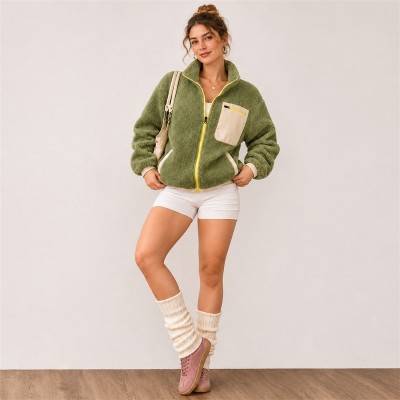
Full-zip jackets are versatile layering pieces that work before, during, and after workouts.
They are particularly suitable for brands targeting Pilates, yoga, strength training, and everyday athleisure customers.
Key development considerations include:
- Two-way stretch for comfortable movement.
- Soft interior surfaces.
- Secure zipper construction.
- Functional pockets.
- Comfortable cuffs and hems.
- A close but non-restrictive fit.
A fitted zip-up jacket can be paired with leggings or biker shorts to create a coordinated outfit.
3.3 Lightweight Track Jackets and Relaxed Outerwear
For a more casual streetwear direction, brands can introduce relaxed-fit track jackets and lightweight windbreakers.
These pieces can extend a collection beyond traditional studio clothing.
Consider:
- Lightweight woven stretch fabrics.
- Relaxed shoulders.
- Elasticated cuffs.
- Adjustable hems.
- Functional pockets.
- Color-blocking or contrast piping.
The goal is to create outerwear that looks appropriate with both athletic bottoms and everyday casual clothing.
Compare custom yoga jackets for your layering range, then review custom yoga jacket manufacturing solutions for design and construction options.
4. How to Choose Fabrics for Studio-to-Street Activewear
Fabric selection is one of the most important decisions when developing a successful athleisure collection.
A fabric that performs well during exercise may not always deliver the appearance or handfeel consumers expect from everyday clothing.
The ideal material should combine comfort, functionality, durability, and visual appeal.
Here are several fabric options worth considering.
4.1 Nylon-Spandex: Smooth, Supportive and Stretchy
Nylon-spandex blends are widely used in premium leggings, sports bras, and fitted activewear.
Key advantages:
- Smooth and soft handfeel.
- Excellent stretch and recovery when properly engineered.
- Comfortable body-hugging fit.
- Suitable for sculpting silhouettes.
- Good drape and surface appearance.
Recommended products:
- High-waisted leggings.
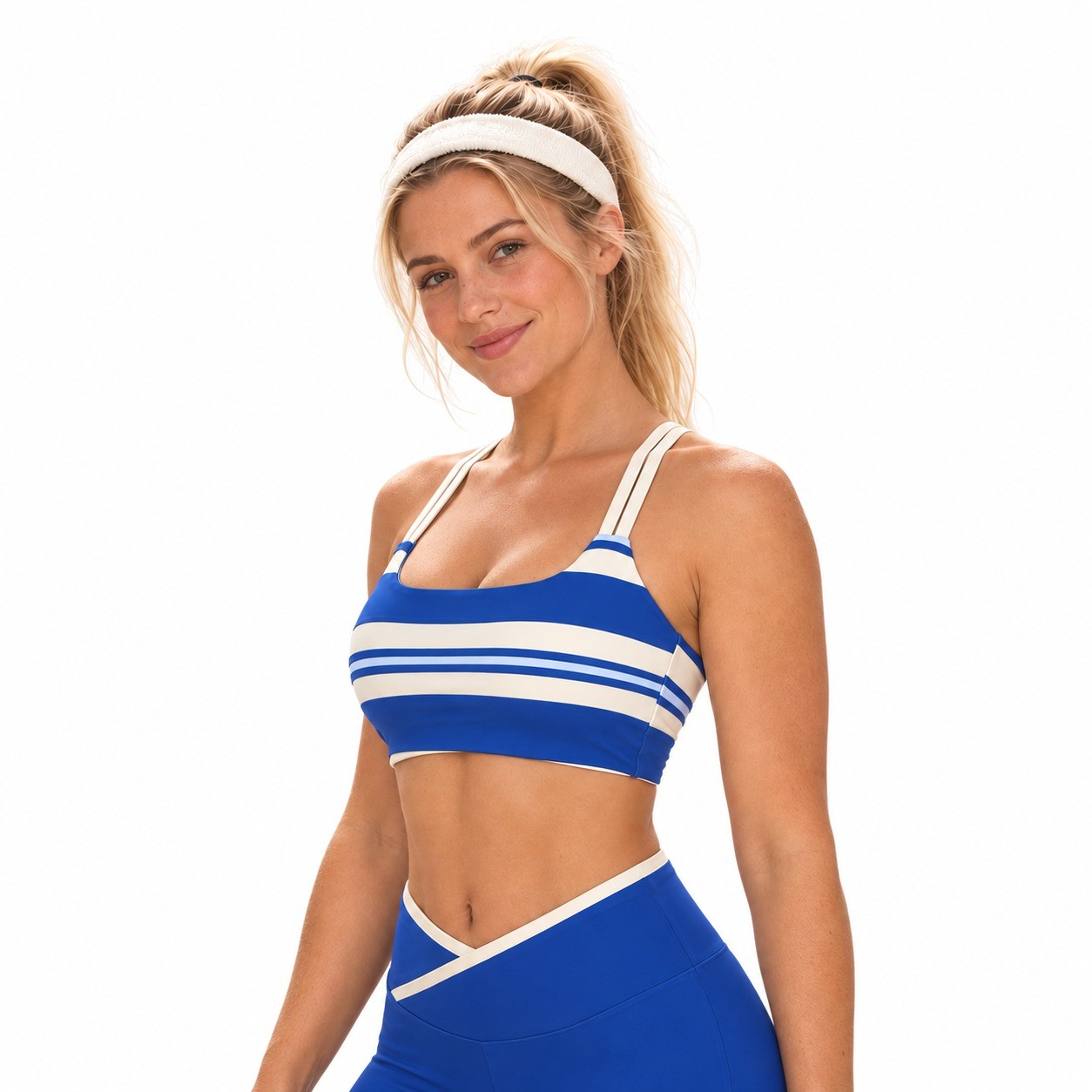
- Sports bras.
- Fitted tanks.
- Flared leggings.
- Cropped zip-up jackets.
For leggings, fabric opacity, recovery, and resistance to pilling should be evaluated during development.
4.2 Polyester-Spandex: Practical Performance and Durability
Polyester-spandex blends are another useful option for activewear development.
Key advantages:
- Good shape retention.
- Durable construction.
- Suitable for moisture-management finishes.
- Versatile for different workout activities.
- Compatible with various printing and color applications.
Recommended products:
- Training tops.
- Sports bras.
- Workout leggings.
- Biker shorts.
- Performance jackets.
The final fabric performance will depend on yarn construction, fabric structure, finishing, and material composition.
4.3 Cotton Blends and Modal: Everyday Comfort
For lifestyle-oriented activewear, softer cotton blends and modal-based fabrics can help create a more relaxed wearing experience.
Key advantages:
- Soft and comfortable handfeel.
- Casual visual appearance.
- Suitable for relaxed silhouettes.
- Good options for everyday layering.
Recommended products:
- Oversized T-shirts.
- Casual tanks.
- Lounge tops.
- Sweatshirts.
- Relaxed-fit pants.
These fabrics are particularly useful for developing the lifestyle side of an activewear collection.
4.4 Ribbed Fabrics and Double-Knit Materials
Ribbed fabrics and structured double-knit materials can add texture and visual depth to a collection.
They are suitable for:
- Fitted tanks.
- Long-sleeve tops.
- Casual activewear sets.
- Lightweight jackets.
- Lifestyle-inspired leggings.
The fabric structure can help create a more distinctive appearance while maintaining comfort and stretch.
Fabric Selection Guide
Swipe across the table to compare all columns.
| Fabric Type | Main Characteristics | Recommended Products |
|---|---|---|
| Nylon-Spandex | Smooth, stretchy, supportive | Leggings, bras, fitted tops |
| Polyester-Spandex | Durable, versatile, performance-oriented | Training wear, shorts, tops |
| Cotton Blends | Soft, casual, comfortable | T-shirts, sweatshirts |
| Modal Blends | Soft, fluid, comfortable | Tanks, lounge tops |
| Ribbed Knit | Textured, flexible | Tanks, tops, fitted pieces |
| Fleece | Warm, soft, suitable for layering | Zip-ups, jackets, sweatshirts |
Important: Do not use the same fabric for every product in a collection. Performance leggings, everyday T-shirts, and outerwear have different functional requirements.
A well-planned fabric combination helps brands create a collection that feels cohesive without sacrificing product performance.
Use the sportswear fabric R&D capabilities overview when discussing material selection and development requirements.
5. How to Build a Cohesive Studio-to-Street Activewear Collection
A successful collection should allow customers to mix and match different products while maintaining a consistent visual identity.
Rather than developing unrelated individual styles, brands should plan products as part of a coordinated wardrobe.
Here is a practical collection structure.
5.1 Core Performance Products
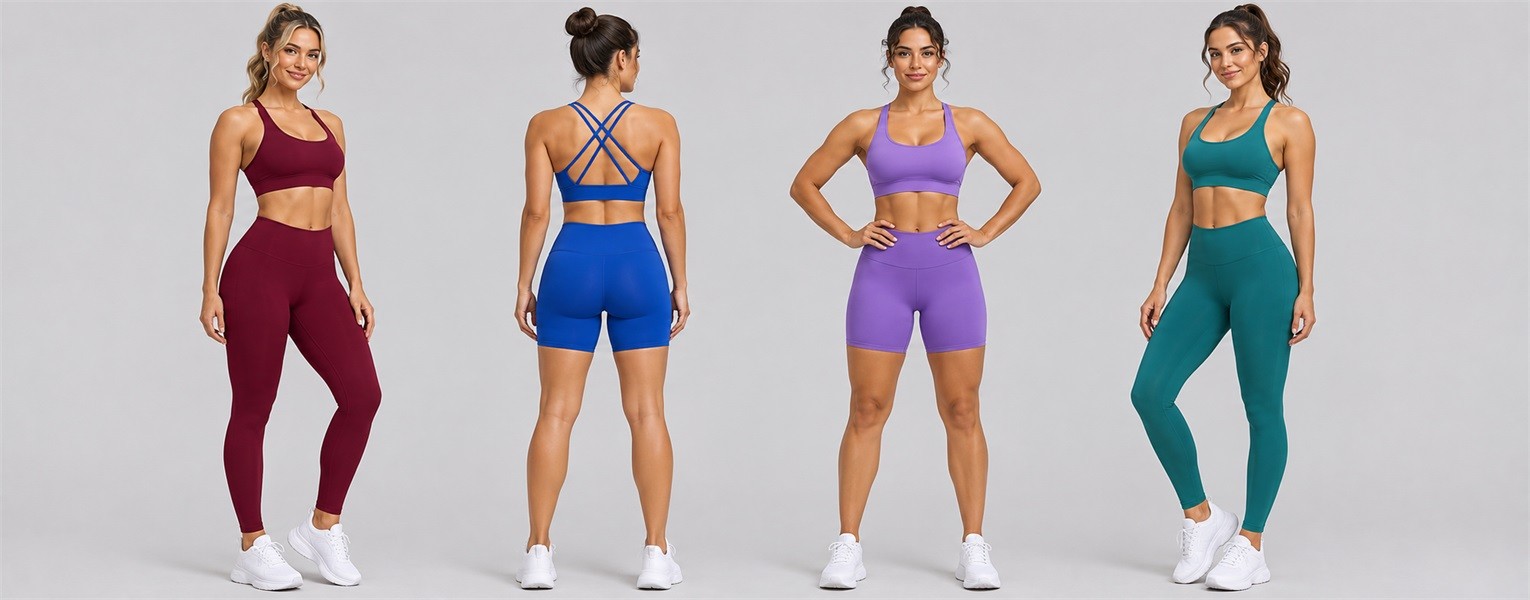
These products establish the foundation of the collection.
Recommended styles:
- Sports bras.
- High-waisted leggings.
- Biker shorts.
- Fitted tanks.
- Long-sleeve workout tops.
These products should prioritize fit, support, stretch, and comfort.
5.2 Lifestyle Layering Products
These pieces help transition the collection from workout clothing to everyday fashion.
Recommended styles:
- Cropped zip-up jackets.
- Lightweight track jackets.
- Oversized T-shirts.
- Relaxed sweatshirts.
- Casual long-sleeve tops.
They create additional outfit combinations and give customers more styling options.
5.3 Casual Bottoms and Matching Pieces
To expand the collection, consider adding:
- Flared leggings.
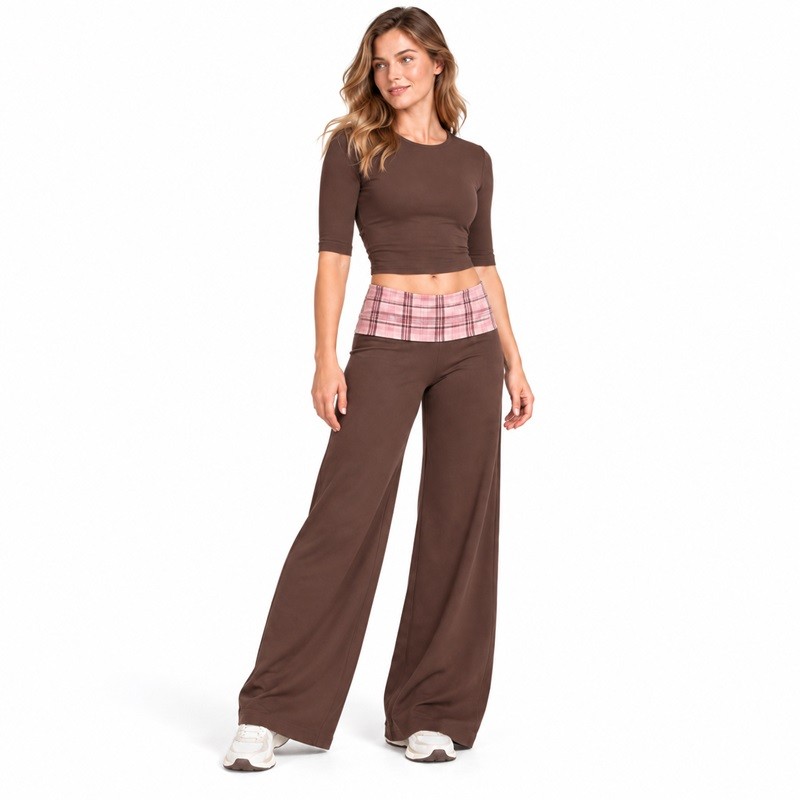
- Wide-leg pants.
- Relaxed-fit sweatpants.
- Casual shorts.
- Coordinated lounge sets.
These products can attract customers who prefer comfortable everyday clothing but still appreciate the aesthetic of activewear brands.
Example: A Studio-to-Street Capsule Collection
Swipe across the table to compare all columns.
| Product Category | Suggested Styles | Main Purpose |
|---|---|---|
| Performance | Sports bras, leggings | Workout functionality |
| Versatile Tops | Tanks, fitted T-shirts | Studio and everyday styling |
| Outerwear | Cropped jackets, zip-ups | Layering and transitions |
| Casual Bottoms | Flared leggings, wide-leg pants | Everyday comfort |
| Lifestyle | Sweatshirts, relaxed tops | Leisure and casual wear |
By combining these categories, brands can create a collection with more styling possibilities and stronger cross-selling potential.
For a step-by-step approach to shared fits, colorways and sample approval, read developing a cohesive activewear collection.
6. Color and Design Strategies for a Premium Athleisure Collection
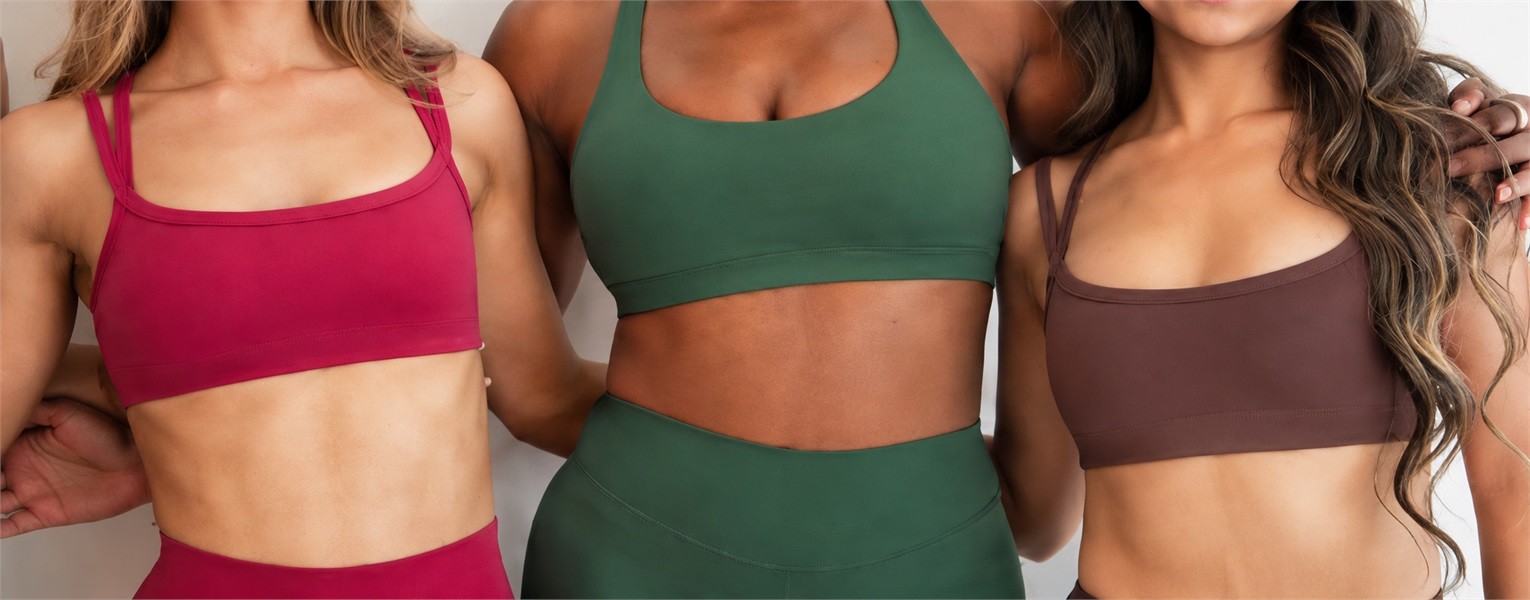
Color is an important part of activewear brand identity.
For studio-to-street collections, the goal is to create colors that look appropriate in both athletic and casual environments.
6.1 Build a Core Neutral Color Palette
Neutral colors are a practical foundation for versatile collections.
Consider:
- Black.
- Espresso brown.
- Charcoal grey.
- Navy.
- Cream.
- Stone.
- Warm taupe.
These colors are easy to combine with different tops, jackets, and accessories.
6.2 Introduce Seasonal Accent Colors
Once the core palette is established, brands can introduce seasonal colors to create newness.
Examples include:
- Burgundy.
- Sage green.
- Dusty blue.
- Butter yellow.
- Muted pink.
- Deep olive.
Seasonal colors can be introduced through selected leggings, sports bras, tanks, and outerwear rather than changing the entire collection.
6.3 Maintain Color Consistency Across Different Fabrics
One important manufacturing challenge is achieving consistent colors across different fabric compositions.
For example, a matching sports bra and jacket may use different materials because each product has different functional requirements.
However, customers still expect the colors to look coordinated.
Brands should establish Pantone references, approve lab dips, and evaluate final fabrics together under consistent lighting before bulk production.
This is especially important when developing matching activewear sets.
For coordinating two-piece outfits across fabrics, see custom sports bra and leggings matching sets.
7. What Should Brands Look for in an Athleisure Manufacturer?
Developing studio-to-street activewear requires more than finding a factory that can produce leggings.
Brands need a manufacturing partner capable of developing different product categories while maintaining consistent quality, fit, and appearance.
When choosing an Athleisure Manufacturer, consider the following factors.
7.1 Multi-Category Product Development
Your manufacturer should be able to support different types of women's activewear, including:
- Sports bras.
- Yoga leggings.
- Biker shorts.
- Fitted tops.
- Cropped jackets.
- Zip-up jackets.
- Sweatshirts.
- Casual activewear sets.
This makes it easier to develop a complete collection through one manufacturing partner.
7.2 Fabric Sourcing and Customization
A capable manufacturer should offer different fabric options based on product requirements.
For example, leggings may require a smooth, supportive nylon-spandex blend, while casual tops may need a softer cotton or modal blend.
Brands should also be able to customize fabric colors, surface finishes, and selected construction details.
7.3 Fit Development and Quality Control
Fit consistency is essential for building customer trust.
Manufacturers should pay attention to:
- Waistband stability.
- Stretch and recovery.
- Garment measurements.
- Seam strength.
- Fabric opacity.
- Color consistency.
- Size grading.
For products designed for both exercise and everyday wear, fit testing should include movement as well as normal daily activities.
7.4 Flexible Customization and Production
For emerging and growing activewear brands, flexible development and manageable minimum order quantities are important.
Working with an OEM/ODM manufacturer that supports custom colors, private labeling, product development, and different garment categories can help brands build collections more efficiently.
Compare ODM activewear development when you need design support with OEM activewear manufacturing when your specifications are ready.
8. Develop Your Custom Studio-to-Street Activewear Collection with Bloomto
At Bloomto, we understand that modern women's activewear brands need more than basic workout clothing.
They need coordinated collections that combine performance, comfort, contemporary design, and everyday versatility.
As a custom women's activewear manufacturer, Bloomto supports brands in developing yoga wear, sportswear, and lifestyle-oriented activewear through OEM, ODM, and private label services.
Our manufacturing capabilities include:
- Multi-Category Development: Sports bras, leggings, biker shorts, tops, yoga sets, jackets, and other women's activewear.
- Custom Fabric Selection: Fabric options for different performance and lifestyle requirements.
- Custom Color Development: Pantone-based color customization for coordinated collections.
- Product Development: Support from initial concepts and design references to pattern development and sample production.
- Quality Control: Production quality management and AQL 2.5 inspection standards upon request.
Our Manufacturing Information
Swipe across the table to compare all columns.
| Manufacturing Detail | Bloomto |
|---|---|
| Established | 2015 |
| Factory Area | Approximately 10,000㎡ |
| Production Lines | 10 |
| Annual Production Capacity | Approximately 4.8 Million Pieces |
| MOQ | From 100 pieces per style/color |
| Sample Lead Time | 7–15 days |
| Bulk Production | 30–45 days after sample approval |
| Services | OEM / ODM / Private Label |
Whether you are developing a new athleisure brand, expanding an existing activewear collection, or introducing lifestyle-inspired workout clothing, Bloomto can support your product development and manufacturing requirements.
Ready to develop your next studio-to-street collection?
Contact Bloomto to discuss your product ideas, fabric requirements, custom colors, and manufacturing needs.
Start Your Custom Activewear Project with Bloomto.
Explore custom activewear solutions for lifestyle brands when extending an everyday apparel range into performance clothing.
Final Thoughts
Studio-to-street activewear represents an opportunity for brands to develop clothing that fits more naturally into women's everyday lives.
The strongest collections do not simply combine workout leggings with fashionable jackets. They bring together functional fabrics, flattering fits, coordinated colors, and versatile silhouettes to create a complete wardrobe.
For brands looking to expand their women's activewear offerings, investing in multi-functional products and a well-planned collection structure can help create a stronger and more recognizable brand identity.
Looking for a reliable Athleisure Manufacturer to develop your next collection? Partner with Bloomto to turn your activewear ideas into market-ready products.
Frequently Asked Questions About Studio-to-Street Activewear
1. What Is Studio-to-Street Activewear?
Studio-to-street activewear refers to clothing designed for both exercise and everyday activities. It combines athletic features such as stretch, breathability, and comfort with fashionable silhouettes that work for casual outings, travel, and daily wear.
2. What Products Should Be Included in a Studio-to-Street Collection?
A versatile collection can include high-waisted leggings, sports bras, biker shorts, fitted tanks, oversized T-shirts, cropped jackets, zip-up tops, sweatshirts, and flared pants.
Combining performance products with lifestyle layering pieces creates more outfit possibilities.
3. What Fabrics Are Best for Studio-to-Street Activewear?
Nylon-spandex is suitable for supportive leggings and fitted activewear. Polyester-spandex works well for performance products, while cotton blends and modal fabrics are useful for softer everyday pieces. Ribbed knits and fleece can add texture and warmth.
The best fabric depends on the product's intended use, fit, and desired appearance.
4. How Can Brands Make Leggings Suitable for Everyday Wear?
Brands should focus on comfortable waistbands, good stretch recovery, opaque fabrics, clean seam construction, and refined finishes. Pairing leggings with oversized shirts, fitted tanks, knitwear, or lightweight jackets also makes them easier to style outside the gym.
5. Why Are Cropped Jackets Important in Athleisure Collections?
Cropped jackets provide an easy layering option and help transform basic workout outfits into complete everyday looks. They can be paired with leggings, biker shorts, and matching sports bras, making them useful products for coordinated collections.
6. Can Bloomto Manufacture Custom Studio-to-Street Activewear?
Yes. Bloomto provides OEM, ODM, and private label manufacturing for women's activewear, including leggings, sports bras, tops, shorts, jackets, and coordinated sets. Brands can customize fabrics, colors, designs, and selected garment details.
7. What Is Bloomto's Minimum Order Quantity for Custom Activewear?
Bloomto's standard starting MOQ is 100 pieces per style and color, covering approximately 4–5 sizes. The exact production arrangement can be discussed according to the product design and customization requirements.
8. How Long Does It Take to Develop Samples and Complete Bulk Production?
Bloomto's typical sample lead time is 7–15 days. Bulk production generally takes 30–45 days after sample approval. Actual lead times depend on product complexity, fabric availability, and order requirements.
Ready to develop a studio-to-street range? Share your product ideas, fabric preferences, color palette and target quantities. Contact Bloomto about custom studio-to-street activewear to discuss your next collection.