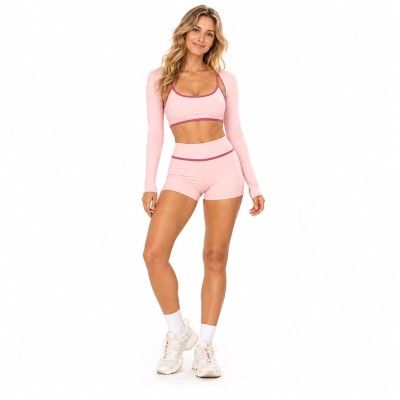
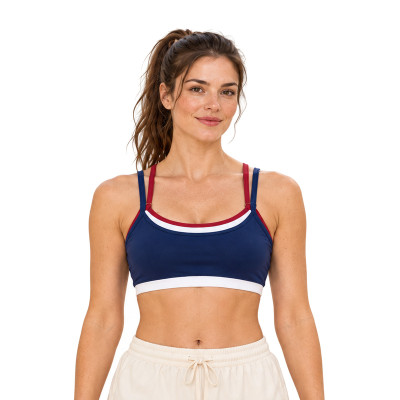
How do you prevent sheerness in lighter colors?
Yes. Sheerness in lighter colors is a common concern, and Bloomto addresses it through a combination of fabric engineering, structural design, and color development. The goal is to ensure white, cream, pastel, and other light shades stay opaque and confident on-body during movement.
How We Prevent Sheerness
Fabric Weight and Density
Higher GSM fabrics and tighter knit structures reduce stretch exposure. We recommend minimum weight thresholds for light shades based on your garment type and compression level.
Yarn and Knit Selection
Choosing the right yarn denier and knit construction minimizes yarn spread under tension. Interlock and double-knit structures offer better opacity than single jersey.
Lining and Gusset Options
A built-in lining or power mesh gusset adds an extra layer of coverage in high-stretch zones like the seat and crotch. This is especially recommended for leggings and shorts.
Color Development and Dyeing
Pigment loading, fiber selection, and dye bath control all influence how opaque a light shade appears at rest and under stretch. We test opacity during the lab dip stage.
Opacity Testing in QC
During sampling and bulk production, we perform stretch-based opacity checks: garments are stretched to a defined percentage and inspected for yarn separation or light transmission. This is part of our standard QC protocol for light-colored styles.
Tip: If opacity is critical for your collection, discuss it during the fabric selection stage. We can recommend pre-tested opaque fabric options for white and pastel shades before sampling begins.
Have a light-colored design in mind? Share your requirements and we will recommend the right opacity solution.