What Makes a High-Quality Sports Bra? bloomto's Ultimate Guide
Selecting the appropriate sports bra is paramount for optimizing athletic performance, ensuring comfort, and preventing potential discomfort or long-term injury during physical activity. Unlike ordinary bras, sports bras are meticulously engineered to significantly minimize breast movement, which is crucial for maintaining breast tissue integrity and overall well-being.
This comprehensive guide, presented by bloomto, delves into the critical features and considerations that define a high-quality sports bra, empowering individuals to make informed choices.
Understanding the nuances of sports bra construction, support levels, and specialized designs is key to securing a fit that offers both unparalleled support and lasting comfort, thereby enhancing every workout session.
Key Takeaways
- Support is Non-Negotiable: A high-quality sports bra must minimize breast movement to prevent pain and protect the Cooper's ligaments from stretching, which can lead to irreversible sagging. The level of support—low, medium, or high—must align with your activity's intensity.
- Fabric Matters: Look for moisture-wicking materials like polyester or nylon blends. These fabrics pull sweat away from the skin to keep you dry, cool, and comfortable, which prevents chafing and helps regulate body temperature.
- Design Dictates Function: Sports bras use either compression (pressing breasts against the chest), encapsulation (supporting each breast individually), or a combination of both. The right design depends on your bust size and activity. Features like adjustable straps, wide bands, and racerback styles enhance fit, comfort, and performance.
- Fit is Everything: A sports bra should be snug but not restrictive. The band should be firm and lie flat, straps should not dig in, and there should be no gapping or spillage in the cups. An improper fit compromises support and comfort.
- It's Not a Regular Bra: Sports bras are engineered for performance with wider straps, stabilizing construction, and technical fabrics, whereas regular bras focus on shaping and aesthetics with softer materials and less motion control.
The Foundational Elements: What Makes a High-Quality Sports Bra from bloomto Indispensable?
A superior sports bra is more than just an undergarment; it's a critical piece of athletic equipment engineered to provide support, enhance comfort, and boost performance. Understanding its core components is the first step toward appreciating its value and making a knowledgeable purchase.
The Critical Role of Support, Comfort, and Moisture Management
The effectiveness of any sports bra rests on three pillars: unwavering support, lasting comfort, and efficient moisture management. These elements work in synergy to protect your body and elevate your workout experience.
Minimizing Movement and Preventing Injury
The primary function of a sports bra is to reduce breast movement during physical activity. Breasts are primarily composed of fatty tissue and are supported by delicate Cooper's ligaments and the surrounding skin, not muscle. During exercise, especially high-impact activities like running, breasts can move in a figure-eight pattern—up and down, side to side, and forward and back—by as much as 15 centimeters.
This excessive movement can lead to several problems:
- Pain and Discomfort: Uncontrolled bouncing is a common source of breast pain during and after exercise.
- Ligament Damage: Repetitive strain can stretch the Cooper's ligaments. This damage is irreversible and can lead to breast sagging over time.
- Reduced Performance: Discomfort and distraction from an ill-fitting or unsupportive bra can negatively impact athletic performance, causing some runners to shorten their stride, for example.
A high-quality sports bra provides the necessary external support to hold breast tissue firmly in place, distributing weight evenly and minimizing motion to prevent both immediate discomfort and long-term damage.
Distinguishing Sports Bras from Everyday Lingerie
While both sports bras and regular bras are essential, they are designed for vastly different purposes and are not interchangeable. A regular bra is built for aesthetics, shaping, and everyday support under various outfits, while a sports bra is a piece of performance apparel.
Here is a breakdown of the key differences:
| Feature | Sports Bra | Regular Bra |
|---|---|---|
| Primary Purpose | Minimize movement during physical activity. | Provide everyday shaping, lift, and aesthetic appeal. |
| Construction | Wide straps, firm underband, stabilizing fabrics, often wire-free. | Thinner straps, hook-and-eye closures, underwire common for lift. |
| Materials | Moisture-wicking, breathable, durable, high-elasticity fabrics (e.g., polyester, nylon, spandex). | Softer, decorative fabrics (e.g., cotton, lace, silk, satin). |
| Support Mechanism | Compression, encapsulation, or a combination to restrict movement. | Lifts and separates breasts for shape and contouring. |
| Fit | Snug and secure fit to hold breasts close to the body. | Contours to the body for a flattering silhouette under clothing. |
| Coverage | Typically higher neckline and fuller coverage to ensure stability. | Varies greatly with style (e.g., balconette, plunge, full-cup). |
Wearing a regular bra during a workout is ineffective and can lead to the issues a sports bra is designed to prevent, such as discomfort and tissue strain.
Understanding Support Levels: What Makes a High-Quality Sports Bra Tailored by bloomto for Every Activity?
Not all workouts are created equal, and neither are sports bras. To provide effective support, a sports bra must match the intensity of the activity. This is why they are categorized into three main support levels: low, medium, and high impact. Choosing the correct level ensures you get the right balance of comfort, flexibility, and motion control.
Low-Impact Sports Bras: Gentle Support for Minimal Movement
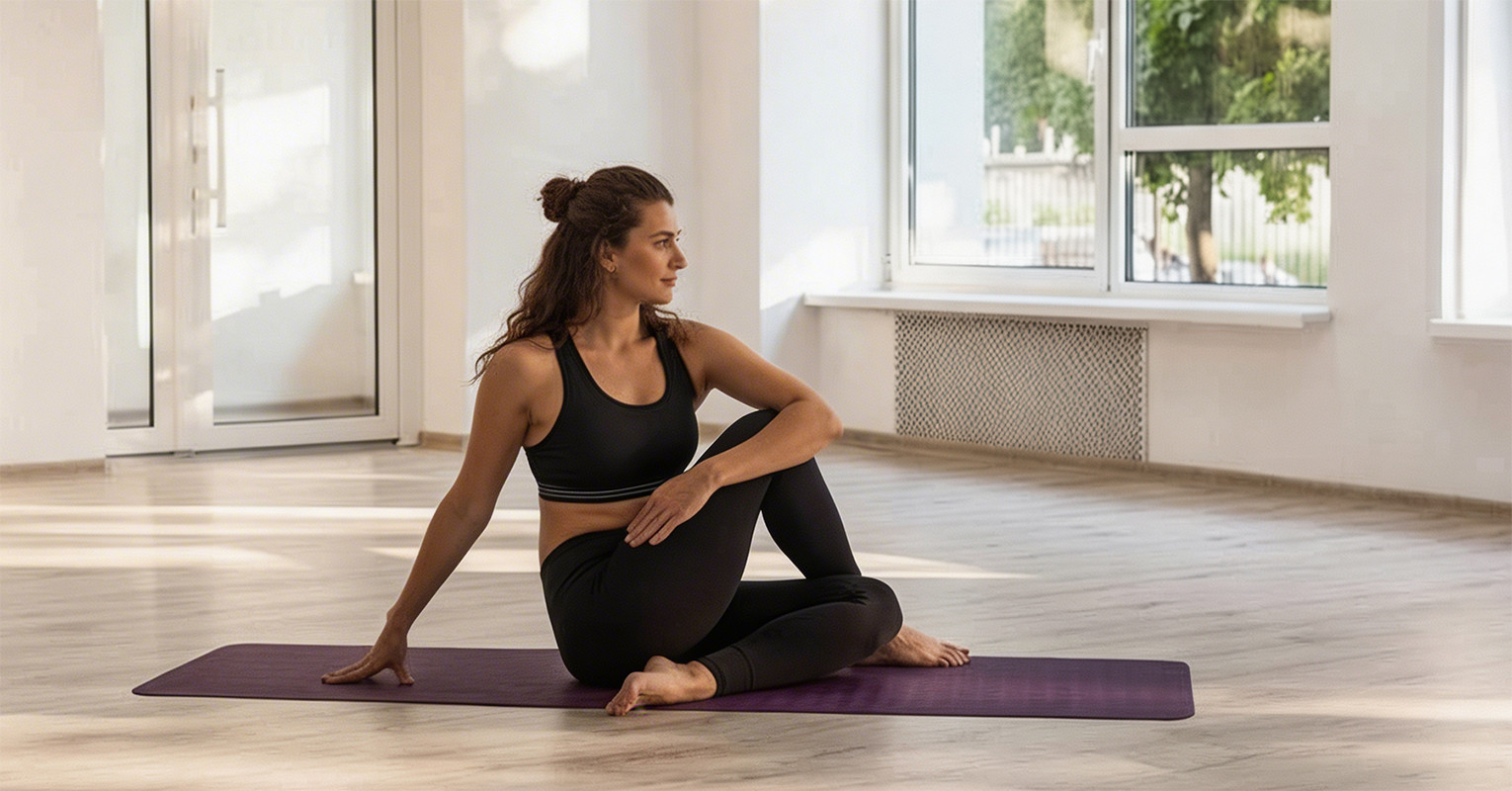
Low-impact sports bras are designed for activities that involve less bounce and jarring movements. They prioritize comfort and flexibility, allowing for a full range of motion without feeling restrictive. These bras often feature a less structured, cup-less design that uses light compression to hold the breasts against the chest.
Ideal Activities: Yoga, Pilates, and Walking
These bras are the perfect choice for serene yet demanding exercises.
- Yoga and Pilates: These practices require deep breathing and extensive stretching. A low-impact bra moves with your body, and its soft construction prevents it from digging in or restricting your ribcage.
- Walking: A brisk walk doesn't generate the high-impact forces of running, making a light support bra sufficient.
- Strength Training: For lifting sessions that don't involve jumping, a low-impact bra provides adequate support.
- Everyday Wear: Due to their exceptional comfort, many people choose low-impact sports bras for lounging or daily activities.
Design Characteristics: Soft Construction, Thin Straps, Seamless Options
Low-impact bras are defined by their comfort-first features:
- Soft, Flexible Fabrics: They are typically made from incredibly soft, stretchy materials that feel like a second skin.
- Thinner Straps and Minimalist Backs: Designs often feature delicate straps or open-back styles that look great and allow for unrestricted movement.
- Seamless Construction: Many are designed without seams to prevent any chafing or irritation, making them ideal for sensitive skin and prolonged wear.
- Pullover Style: The majority are simple, slip-on designs without complex clasps or adjustments.
Medium-Impact Sports Bras: Balanced Support for Moderate Activity
Medium-impact sports bras strike a balance between the gentle hold of a low-impact bra and the rigid control of a high-impact one. They are versatile and suitable for a wide range of activities that involve a moderate amount of movement and bouncing.
Optimal Use: Cycling, Hiking, and Dancing
These bras provide the necessary stability for workouts that get your heart rate up without the intense, repetitive jarring of high-impact sports.
- Cycling: Whether on a road bike or a stationary one, a medium-impact bra offers enough support to handle bumps and changes in position while wicking away sweat.
- Hiking: Provides stability for navigating uneven trails without being overly restrictive during long treks.
- Dancing: Offers the control needed for dynamic movements while still allowing for fluid expression.
- Brisk Walking and Elliptical Training: These activities generate more bounce than a casual stroll, making a medium-impact bra a better choice.
Key Features: Wider Straps, Structured Design, Optional Padding
Medium-impact bras incorporate more supportive features than their low-impact counterparts:
- Wider Straps: The straps are generally wider to help distribute weight more evenly across the shoulders, enhancing comfort.
- Defined Cup Structure: Many medium-impact bras feature a more defined cup structure to provide both compression and some degree of separation.
- Firm Underband: A wider, more substantial band under the bust provides a secure anchor for improved support.
- Moisture-Wicking Fabrics: These bras are made from performance fabrics that pull sweat away from the skin, keeping you dry and comfortable.
- Adjustability: Some may include adjustable straps or back closures for a more customized fit.
High-Impact Sports Bras: Maximum Security for Vigorous Workouts
High-impact sports bras are engineered for maximum motion control during the most intense activities. They are built to combat significant bounce and provide unwavering support to protect breast tissue from strain and damage. These are essential for anyone engaging in vigorous exercise, regardless of bust size.
Performance for: Running, HIIT, and Aerobics
If your workout involves jumping, sprinting, or rapid directional changes, a high-impact bra is non-negotiable.
- Running: A high-impact bra is crucial for runners, as each stride can cause significant breast movement.
- HIIT (High-Intensity Interval Training): The explosive movements in HIIT workouts, such as burpees and jump squats, demand the highest level of support.
- Aerobics and Dance Fitness: High-energy classes with lots of jumping and bouncing require a bra that can keep everything securely in place.
- Field and Court Sports: Activities like soccer, basketball, and tennis involve sprinting and quick changes of direction, necessitating maximum support.
Construction: Thicker Straps, Firm Underband, Encapsulation Designs
High-impact bras are defined by their robust construction and features designed for ultimate stability:
- Thicker, Padded Straps: Wide, often cushioned straps distribute pressure and prevent digging into the shoulders for superior comfort.
- Firm, Wide Underband: The band is the foundation of support, and in high-impact bras, it's wide and made from firm elastic to anchor the bra securely.
- Encapsulation or Combination Designs: These bras often use encapsulation (individual cups) or a combination of encapsulation and compression to minimize movement effectively.
- Fuller Coverage: A higher neckline helps contain breast tissue from the top, preventing spillage during intense movement.
- Adjustable Features: Multiple points of adjustability, such as on the straps and a hook-and-eye back closure, are common, allowing for a precise, locked-in fit.
- Durable, Low-Stretch Fabrics: The materials used are engineered to be strong and maintain their shape to provide consistent support throughout a workout.
Diverse Designs and Specialized Features: What Makes a High-Quality Sports Bra Collection from bloomto Stand Out?
Beyond the basic impact level, a truly high-quality sports bra distinguishes itself through intelligent design. The methods used to provide support—and the additional features that enhance comfort and fit—are what separate a good bra from a great one. These details allow for a highly personalized fit that addresses specific needs, from bust size to activity type and even life stages.
Compression, Encapsulation, and Combination Styles
The core of a sports bra's support system comes from one of three design philosophies: compression, encapsulation, or a hybrid of both. Understanding these will help you choose the most effective style for your body and workout.
Compression Bras: Ideal for Smaller to Medium Busts
Compression sports bras are often the simplest in design. They function by pressing the breasts firmly against the chest to reduce movement. This style usually features a single, seamless panel of fabric across the front, creating a "uniboob" effect.
- How it Works: By flattening the breasts, it treats them as a single unit, minimizing bounce.
- Best For: Low-to-medium impact activities and individuals with smaller to medium cup sizes (A-C cups). For those with smaller busts, compression can provide sufficient support even for some high-impact activities.
- Characteristics: Typically a pullover style, lightweight, and wire-free for comfort.
Encapsulation Bras: Superior Support and Shaping for Larger Busts
Encapsulation sports bras are constructed more like a traditional bra, with two distinct cups that support each breast individually. This design separates the breasts, providing both support and a more natural shape.
- How it Works: By containing and supporting each breast separately, it controls movement in all directions without flattening.
- Best For: Medium-to-high impact activities, especially for those with larger cup sizes (D and up) who need targeted support and shaping.
- Characteristics: Often includes features like an underwire, molded cups, and adjustable straps and back closures for a customized and secure fit.
Combination Bras: The Ultimate in Maximum Support
Combination (or hybrid) sports bras offer the best of both worlds. They incorporate both encapsulation and compression to deliver the highest level of support available.
- How it Works: These bras feature individual cups to separate and support each breast (encapsulation), which are then covered by a layer of compressive fabric to press everything securely against the body.
- Best For: High-impact activities like running and HIIT, and they are an excellent choice for women of all bust sizes who want maximum motion control.
- Characteristics: These are the most structured and robust sports bras, often featuring wide, padded straps, a firm underband, and multiple adjustment points.
Advanced Design Adaptations for Enhanced Performance and Comfort
Modern sports bras incorporate numerous advanced features that go beyond basic support. These innovations customize the fit, improve comfort, and cater to a wider range of needs.
Racerback Designs: Unrestricted Movement and Even Weight Distribution
The racerback is a classic and highly functional sports bra design where the straps meet in a "Y" or "T" shape between the shoulder blades.
- Benefits: This design pulls the straps away from the edges of the shoulders, allowing for a complete range of arm and shoulder motion, which is ideal for activities like lifting and yoga. It also helps distribute the weight of the bust more evenly across the back, preventing straps from slipping off the shoulders.
Adjustable Features: Customizable Fit for Personalized Comfort
Adjustability is key to achieving a perfect fit, which is critical for both support and comfort.
- Adjustable Straps: Allow you to customize the length for your torso and desired level of lift and tension, preventing the straps from digging into your shoulders or providing inadequate support.
- Adjustable Underband: A hook-and-eye closure on the back, similar to a regular bra, allows for a precise fit around the ribcage. This is vital since the band provides the majority of the bra's support.
Padded and Underwire Bras: Additional Shaping, Support, and Coverage
While not for everyone, padding and underwires offer specific benefits.
- Padded Bras: Padding can enhance shape, provide modesty by preventing nipple show-through, and offer an extra layer of impact absorption. However, it can sometimes feel bulky or trap heat, making non-padded options better for some activities.
- Underwire Bras: Commonly found in encapsulation styles, underwires provide excellent lift, separation, and structure, which is particularly beneficial for larger busts during high-impact activities. A well-designed underwire bra will have the wire encased in a soft, protective channel to prevent poking or discomfort.
Front-Clasp and Seamless Options: Ease of Wear and Reduced Chafing
These features prioritize convenience and skin comfort.
- Front-Clasp/Zip Bras: Bras that close in the front are incredibly easy to put on and take off, especially after a sweaty workout or for those with mobility issues. A quality front-zip bra will have a secure locking mechanism to prevent it from opening during exercise.
- Seamless Bras: Constructed using knitting technology that eliminates seams, these bras drastically reduce the risk of chafing and irritation caused by friction. The smooth, second-skin feel is perfect for long-duration activities like running or for individuals with sensitive skin.
Maternity and Nursing Sports Bras: Adapting to Evolving Needs
Pregnancy and postpartum periods bring unique needs, and specialized sports bras are designed to meet them.
- Accommodating Fit: Maternity sports bras feature stretchy fabrics and multiple adjustment points (like extra hook-and-eye closures) to adapt to a changing rib cage and bust size.
- Easy Nursing Access: Nursing sports bras incorporate features like one-handed clips or pull-aside fabric panels that allow for convenient and discreet breastfeeding.
- Supportive and Gentle: They are designed to support tender breast tissue, often using wire-free or flexible wire constructions to avoid pressure on milk ducts.
The bloomto Selection Process: What Makes a High-Quality Sports Bra Fit Perfectly and Endure?
Securing the right sports bra is a highly personal process that requires a thoughtful evaluation of your body, your activities, and the bra's specific features. It's about finding the perfect intersection of support, comfort, and durability. By following a structured approach, you can confidently choose a bra that not only fits flawlessly but also stands the test of time, workout after workout.
Matching the Bra to Bust Size and Activity Level
The two most critical factors in your selection process are your bust size and the intensity of your chosen exercise. A mismatch in either of these areas will compromise the bra's effectiveness.
Considerations for Smaller vs. Larger Busts
Different bust sizes have different support requirements.
- For Smaller Busts (A-C cups): Women with smaller busts may find that a compression-style bra provides sufficient support for a wide range of activities, from low to even high impact. The focus can be on comfort, minimalist design, and freedom of movement.
- For Larger Busts (D+ cups): Women with larger breasts require more structural support to manage movement and distribute weight effectively. Encapsulation or combination (hybrid) styles are almost always the best choice, especially for medium to high-impact activities. Features like wider, padded straps and a firm, multi-hook underband are crucial for preventing shoulder and back strain.
Aligning Support with Exercise Intensity
As detailed previously, matching the bra's impact level to your workout is non-negotiable. Using a low-impact bra for a high-intensity activity is a recipe for discomfort and potential breast tissue damage, regardless of your cup size.
Here's a quick reference table:
| Activity Intensity | Examples | Recommended Support Level |
|---|---|---|
| Low Impact | Yoga, Pilates, Walking, Stretching, Weightlifting | Low-Support Bra |
| Medium Impact | Cycling, Hiking, Dancing, Elliptical, Brisk Walking | Medium-Support Bra |
| High Impact | Running, HIIT, Aerobics, Jumping, Court Sports | High-Support Bra |
Prioritizing Comfort, Precise Fit, and Durability
Once you've narrowed down the type and support level, the focus shifts to the finer details that ensure a perfect feel and a long-lasting investment.
Key Comfort Features: Adjustability and Fabric Technology
Comfort is not a luxury; it's a necessity for performance.
- Adjustability: A bra with adjustable straps and a hook-and-eye back closure offers a personalized fit that a simple pullover style can't match. This allows you to fine-tune the tension as needed and accommodates body changes.
- Fabric Technology: High-quality sports bras are made from advanced materials. Look for moisture-wicking fabrics like nylon or polyester to keep you dry and seamless designs or flatlock seams to eliminate chafing.
Ensuring a Proper Fit: Testing for Snugness Without Restriction
Even the most technologically advanced bra will fail if it doesn't fit correctly. When trying on a sports bra, perform these essential checks:
- Check the Band: The band provides about 80% of the support. It should be snug and level around your ribcage. You should be able to fit two fingers between the band and your body, but no more. When you raise your arms, the band should stay put and not ride up.
- Check the Straps: You should be able to comfortably fit two fingers between the straps and your shoulders. They should not dig in (a sign the band is too loose and the straps are overcompensating) or slip off.
- Check the Cups: Your breasts should be fully contained within the cups. If you see spillage at the top or sides, the cups are too small. If there is wrinkling or gaping fabric, the cups are too large.
- Perform a "Jump Test": Run in place or do a few jumping jacks. The bra should make you feel secure and supported, with significantly reduced movement. While some motion is normal, excessive bounce means you need a higher support level or a better fit.
Investing in Longevity: The Importance of Quality Materials and Construction
A high-quality sports bra is an investment in your health and performance.
- Durable Fabrics: Look for robust materials like nylon and polyester blends with a good percentage of spandex (or Lycra). These fabrics are designed to withstand repeated stretching, sweat, and washing cycles while retaining their supportive properties.
- Care Instructions: To extend the life of your sports bra, wash it after every use to remove sweat and bacteria that can break down the fabric. It is best to hand wash or use a delicate cycle in a mesh laundry bag. Always air dry your sports bra; the high heat of a dryer will degrade the elastic and ruin its supportive qualities. A properly cared-for sports bra should typically be replaced every 6-12 months, depending on use.
Conclusion
A truly high-quality sports bra from bloomto is an essential athletic garment, offering far more than just basic coverage. It is a critical investment in personal well-being, performance, and long-term breast health, meticulously designed to meet the rigorous demands of various physical activities.
By adhering to the principles outlined in this guide and evaluating bras based on support level, design features, and a precise fit, individuals can confidently select a sports bra that provides optimal comfort and protection.
Ultimately, the right sports bra empowers individuals to pursue their fitness goals with confidence, comfort, and the assurance of superior support.
Frequently Asked Questions (FAQ)
1. How do I know if my sports bra fits correctly? A well-fitting sports bra should be snug but not so tight that it restricts breathing. The band should sit level around your ribcage and you should be able to fit two fingers underneath it. Straps shouldn't dig into your shoulders, and your breasts should be fully contained in the cups without spillage or gaps. A quick jump test should confirm that breast movement is significantly minimized.
2. Can I wear the same sports bra for all types of exercise? It's not recommended. Sports bras are designed for specific impact levels. A low-impact bra for yoga won't provide enough support for running. It's best to have different bras for different activities to ensure you're always getting the right amount of protection.
3. How often should I replace my sports bra? A general rule of thumb is to replace your sports bra every 6 to 12 months, or after about 50-70 washes. Signs that it’s time for a new one include stretched-out bands or straps, loss of elasticity, fabric that has become loose, or a noticeable increase in breast movement during workouts.
4. What's the best way to wash my sports bra to make it last? The best method is to hand wash in cool water with a mild detergent. If using a machine, place the bra in a mesh lingerie bag, use the delicate cycle with cold water, and avoid fabric softener, as it can clog the fibers and reduce moisture-wicking properties. Always hang or lay your sports bra flat to air dry; never put it in the dryer, as the heat will destroy the elastic.
5. What is the difference between compression and encapsulation sports bras? Compression bras press your breasts against your chest to reduce movement and are generally best for smaller busts and low-to-medium impact activities. Encapsulation bras have individual cups that support each breast separately, similar to a regular bra. They offer better shaping and are ideal for larger busts and high-impact workouts. Some bras combine both methods for maximum support.