What Fabrics Are Best for Yoga Pants? A Guide to Performance Fabrics
Choosing the right fabric for yoga pants is one of the most important decisions an activewear brand can make. The fabric determines how the garment performs during practice, how it feels against the skin, how long it lasts, and ultimately whether your customers love or return your product. With dozens of fabric options available — from nylon-spandex blends to specialty sustainable materials — understanding what makes each fabric unique is the key to designing yoga pants that stand out in a crowded market. This comprehensive guide breaks down the science, performance characteristics, and selection criteria for every major yoga pant fabric. Whether you are sourcing for a new brand or refining an existing line, this guide gives you the knowledge to make confident fabric decisions. Nylon, scientifically known as polyamide, is widely considered the premium choice for yoga pants. Its exceptional strength-to-weight ratio produces fabrics that feel luxuriously soft while maintaining outstanding durability. Premium yoga brands like Lululemon built their reputation on nylon-based fabrics — their signature Nulu and Luon materials are nylon-dominant blends. The key advantage of nylon is its "buttery-soft" hand feel, achieved through brushing or peaching processes that create a micro-fuzzy surface. This makes nylon yoga pants feel like a second skin against the body, enhancing the sensory experience of practice. Nylon also excels at color absorption, producing deep, vibrant colors that resist fading through repeated washing. On the performance side, nylon offers excellent four-way stretch when blended with spandex (elastane), superior abrasion resistance against yoga mat friction, and moderate moisture-wicking capabilities. The main trade-off is cost — nylon is more expensive than polyester to produce. Additionally, lower-grade nylon (Nylon 6) can be prone to pilling, while Nylon 66 offers superior durability at a higher price point. For premium yoga pants targeting discerning customers, nylon-spandex blends remain the benchmark. Polyester is the most widely used synthetic fiber in activewear globally, and for good reason. Its hydrophobic (water-repelling) nature makes it exceptional at moisture management — polyester fibers do not absorb water, so sweat is channeled to the fabric surface where it evaporates quickly. This makes polyester-dominant yoga pants ideal for hot yoga, Bikram, and high-intensity Vinyasa flow sessions where sweat management is critical. Modern polyester has evolved significantly. Recycled polyester (rPET), made from post-consumer plastic bottles, offers comparable performance to virgin polyester while reducing environmental impact. Brands prioritizing sustainability increasingly specify rPET in their yoga pant fabrics. Microfiber polyester constructions create a softer hand feel that approaches nylon's luxury, while still retaining polyester's quick-drying advantage. However, polyester has limitations. Its natural hand feel is less luxurious than nylon — it can feel "plasticky" or rough against sensitive skin. Lower-quality polyester garments are prone to static buildup and may develop a shiny appearance over time. Polyester also has lower elasticity memory than nylon, meaning yoga pants may lose shape at the knees and waistband after extended use. For hot yoga and high-sweat disciplines, polyester is excellent; for low-impact, comfort-focused yoga, nylon outperforms it. Spandex, also known as elastane or brand-named Lycra, is the invisible hero in every pair of high-performance yoga pants. While it typically constitutes only 10-25% of the fabric blend, spandex provides the critical stretch-and-recovery properties that make yoga pants functional. Without spandex, yoga pants would be rigid, restrictive, and unwearable for practice. The magic of spandex lies in its molecular structure — long-chain polymers that can stretch to over 500% of their original length and return to shape repeatedly. In yoga pants, spandex content between 12% and 20% (for nylon blends) delivers optimal stretch for deep poses like Hanumanasana (splits) and Urdhva Dhanurasana (wheel pose), while maintaining compression and support for standing poses. A common misconception is that more spandex equals better performance. In reality, spandex content above 25% can make fabric feel "dead" or overstretched, losing compression and developing bagginess. Below 8% spandex, the fabric may be too restrictive for yoga's range of motion. The sweet spot for yoga pants is 15-20% spandex combined with 80-85% nylon or polyester. For compression-focused activewear intended for running or HIIT, 10-15% spandex provides sufficient elasticity with greater structural support. Cotton has a long history in yoga apparel, prized for its natural softness, breathability, and hypoallergenic properties. Pure cotton yoga pants are comfortable for restorative yoga, Yin yoga, and meditation practice where deep stretching and sweating are minimal. The natural fiber allows the skin to breathe and feels gentle even on sensitive skin types. However, cotton has significant limitations that make it unsuitable as a primary yoga pant fabric for active practice. Cotton fibers are absorbent — they trap moisture rather than wicking it away, so cotton yoga pants become heavy, clingy, and uncomfortable during any perspiration-inducing practice. Cotton also lacks the elasticity memory of synthetics, stretching out permanently at knees, hips, and waistband with regular use. Cotton-spandex blends (typically 90-95% cotton with 5-10% spandex) offer some improvement but still underperform compared to nylon or polyester blends for serious yoga practice. The best use case for cotton yoga pants is loungewear, low-impact classes, and beginner-level practice. For performance yoga wear, cotton should not be the primary fabric. The activewear industry is undergoing a sustainability transformation, and yoga pants are at the forefront. Several eco-friendly alternatives now compete directly with conventional synthetics. Recycled Polyester (rPET) is the most established sustainable option, diverting plastic bottles from landfills and oceans into high-performance yarns. Brands like Patagonia and Girlfriend Collective have built their reputations on rPET-based activewear. TENCEL Lyocell, derived from sustainably harvested eucalyptus wood, offers a unique combination of softness, breathability, and biodegradability. TENCEL fibers are produced in a closed-loop process that recycles 99% of solvents, making it one of the most environmentally responsible textile options available. When blended with spandex (typically 67% TENCEL, 28% nylon, 5% spandex), it creates yoga pants with a silky, fluid drape and excellent moisture management. Bamboo viscose and organic cotton offer additional sustainable pathways. Bamboo fabrics are naturally antimicrobial, making them resistant to odor buildup during practice. Organic cotton, certified by GOTS (Global Organic Textile Standard), eliminates pesticide use in farming. Each sustainable option carries specific performance characteristics that should be evaluated against your brand's target practice style and price point. Fabric weight, measured in grams per square meter (GSM), directly impacts yoga pant performance. Lightweight fabrics (160-200 GSM) offer maximum breathability and a barely-there feel, ideal for hot yoga and summer practice. However, lower GSM fabrics are more prone to transparency issues — the dreaded "see-through" effect during forward folds and deep squats. Mid-weight fabrics (200-260 GSM) represent the industry sweet spot for all-season yoga pants. They provide sufficient opacity for squat-proof performance while maintaining comfort and flexibility. Most premium yoga brands use fabrics in the 220-250 GSM range for their core collections. Heavyweight fabrics (260-320 GSM) offer maximum compression, support, and opacity — popular for high-intensity disciplines and cooler-weather practice. Opacity testing is a critical quality control step. Industry best practice requires testing fabric opacity at full stretch (simulating a deep squat position) by measuring the fabric's light transmission. A minimum of 22 GSM per percentage of stretch is a common benchmark for squat-proof performance. For lighter fabrics, double-layer construction in the gusset area provides added opacity security. Modern yoga pants benefit from a range of advanced treatments that enhance performance beyond the base fabric properties. Brushed or peached finishes create the coveted "buttery-soft" surface by mechanically raising micro-fibers on the fabric face. This treatment adds a layer of tactile luxury that distinguishes premium yoga pants from standard activewear. Anti-odor technologies use silver-ion, zinc, or chlorine-based treatments to inhibit bacteria growth on fabric surfaces. Since yoga practice often involves sustained perspiration, anti-odor treatments keep garments fresher between washes and extend their useful life. Seamless construction eliminates side seams and minimizes chafing — particularly important for yoga practice that involves constant floor contact and rolling movements. Compression gradient engineering uses varying knit densities across different body zones to provide targeted support where needed (hips, core, glutes) while maintaining flexibility where movement is required (hips, knees). This zone-specific approach, popularized by high-end brands, represents the current frontier of yoga pant fabric technology. Different yoga disciplines have different fabric requirements. For Hot Yoga and Bikram (95-105°F, 40-60% humidity), prioritize moisture-wicking with polyester-dominant blends or TENCEL, medium-to-light weight (180-220 GSM), anti-odor treatment, minimal seams for chafe prevention. For Vinyasa and Ashtanga (dynamic, flowing sequences), seek maximum four-way stretch with nylon-spandex blends (80/20 ratio), mid-weight (220-240 GSM), excellent recovery to hold shape through repetitive movement. For Yin and Restorative Yoga (held poses, minimal sweat), choose soft hand feel with brushed nylon-spandex or TENCEL blends, lighter weight for comfort in held poses, and a relaxed fit that does not compress during long holds. For Power Yoga and Yoga Sculpt (high-intensity fusion), go with compression fabrics with mid-to-heavy weight (240-280 GSM), superior moisture management, and reinforced construction in high-stress areas. When sourcing yoga pants from a manufacturer, fabric specifications should be documented in your tech pack. Include exact fiber percentages, GSM requirements, finish type (brushed or smooth), stretch percentage target (typically 50-80% in both length and width), recovery tolerance (less than 5% residual stretch after testing), and color fastness standards (tolerances to light, washing, perspiration, and crocking). Request fabric mill certification and test reports for each production batch. Reliable manufacturers in China maintain relationships with certified mills and can provide fabric certificates, including OEKO-TEX Standard 100 certification for product safety and material test results for tensile strength, seam slippage, and pilling resistance. Always request a pre-production fabric approval (Lab Dip) before bulk cutting begins. Bloomto, as a professional yoga wear manufacturer, offers custom fabric development across all the material categories discussed in this guide. Whether you need standard nylon-spandex performance fabrics or specialized sustainable materials, our sourcing team can match your exact specifications with verified mill partners. How customers care for their yoga pants significantly impacts fabric longevity. Provide clear care instructions: wash in cold water (hot water damages spandex elasticity), turn garments inside out to protect the outer surface from abrasion, use mild detergent without fabric softeners (softeners coat synthetic fibers, reducing moisture-wicking performance), avoid bleach and high-heat drying (heat destroys spandex molecular structure). Educating your customers on proper care reduces returns, builds brand loyalty, and demonstrates product stewardship. Consider including a printed or digital care card with every pair of yoga pants. Brands that proactively educate their customers on fabric care see measurably lower return rates and higher customer lifetime value. Selecting the right yoga pant fabric requires balancing five competing priorities: performance (stretch, recovery, moisture management), hand feel (softness, comfort against skin), durability (pilling resistance, color fastness, shape retention), sustainability (material origin, production process, end-of-life), and cost (fabric price relative to target retail margin). No single fabric excels in all five categories. Successful brands prioritize based on their target customer's values. Premium brands may prioritize hand feel and performance over cost. Eco-conscious brands may accept modest performance trade-offs for sustainability certifications. Value brands may prioritize durability and cost over premium hand feel. The best approach is to start with clear customer personas, match fabric characteristics to your target practice style and price point, order lab dips and sample yardage before committing to bulk production, and test-wear prototypes with real practitioners before finalizing your fabric choice. Partnering with an experienced activewear manufacturer who understands fabric science can accelerate this process significantly and help you make informed decisions that your customers will feel in every practice session.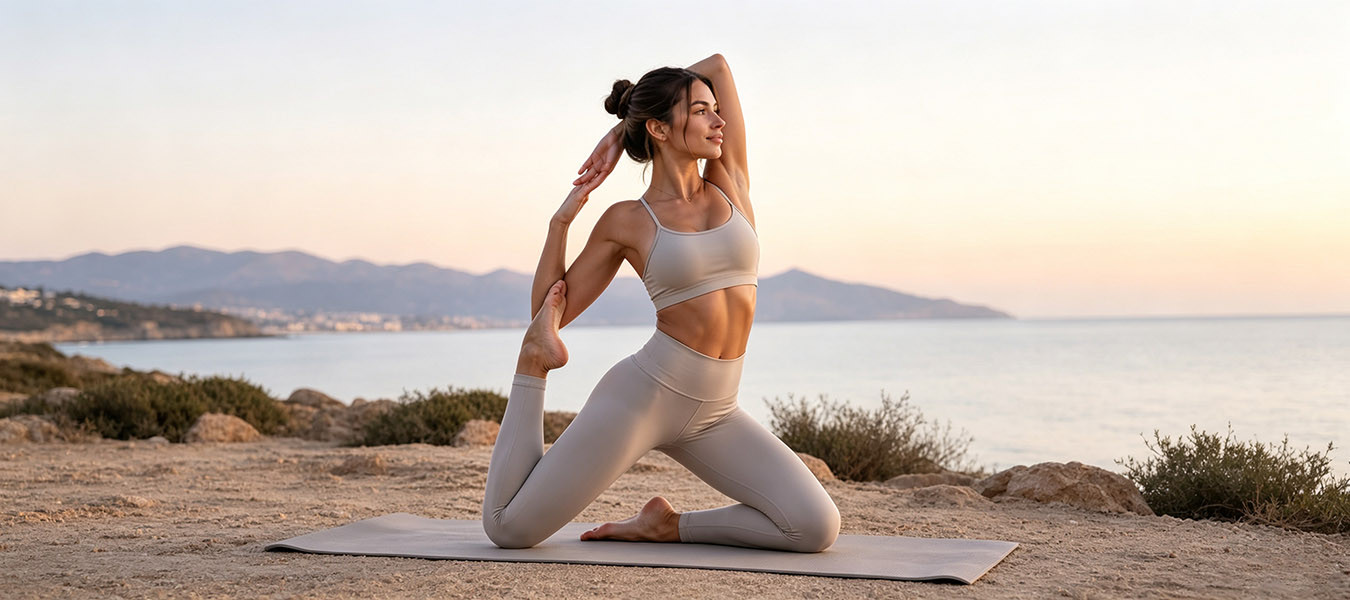
1. Nylon (Polyamide): The Gold Standard for Yoga Pants
2. Polyester: The Moisture-Wicking Workhorse
3. Spandex (Elastane/Lycra): The Elastic Engine
4. Cotton and Cotton Blends: Comfort with Trade-Offs
5. Sustainable and Eco-Friendly Fabric Options
6. Fabric Weight (GSM) and Opacity: The Technical Specifications
7. Advanced Fabric Treatments and Finishes
8. Choosing Fabrics by Yoga Style
9. Sourcing Yoga Pant Fabrics from Manufacturers
10. Caring for Yoga Pants: Maximizing Fabric Life
Final Fabric Selection Framework