What's the Difference Between Yoga Pants and Leggings? A Complete Guide
As an activewear enthusiast, I constantly hear the terms 'yoga pants' and 'leggings' used as if they were the same thing. But are they really interchangeable? With so many options flooding the market, navigating the world of activewear can be genuinely confusing.
I'm here to clear up that confusion once and for all. This guide will help you understand the key differences between yoga pants and leggings, empowering you to make the best choice for your unique needs. Whether you're heading to a yoga studio, hitting the gym, or just running errands, let's dive into the fascinating world of yoga pants vs. leggings!
Key Takeaways
The debate between yoga pants and leggings can be simplified by understanding their primary purpose and design. Yoga pants are primarily designed for the practice of yoga, prioritizing flexibility, comfort, and coverage through features like four-way stretch fabric, gusseted crotches, and wider waistbands. They often come in styles like bootcut and flare to allow for maximum freedom of movement. Leggings, on the other hand, have evolved into a broader category. While performance leggings exist for various athletic activities with features like compression and moisture-wicking, many leggings are designed purely for fashion and everyday wear, available in a vast array of materials, colors, and patterns. Essentially, all yoga pants can be considered a type of legging, but not all leggings are suitable for yoga. The key differentiators lie in the fabric's thickness, the waistband construction, and the overall cut or silhouette.
Unraveling the Origins: The History Behind Yoga Pants vs Leggings
To truly understand the difference between yoga pants and leggings, we first need to journey back in time. These two popular garments have distinct histories that have shaped their function and fashion, leading them to the ubiquitous status they hold today.
The Ancient Roots of Leggings
The concept of leggings is far from new; in fact, its origins trace back centuries. Variations of leg coverings have been worn by men for hundreds of years in different cultures for warmth and protection, from the Scottish Highlands to Native American tribes. In the 20th century, leggings found their place in fashion. The 1950s saw the introduction of slim, capri-style pants, but it was the invention of Lycra (spandex) in 1958 that revolutionized form-fitting apparel. The 1970s and 80s solidified the leggings' place in pop culture, becoming a staple of the aerobics craze and a bold fashion statement embraced by icons like Olivia Newton-John.
The Modern Rise of Yoga Pants
The story of yoga pants is much more recent. While yoga has been practiced for millennia, the dedicated apparel for it only emerged in the late 1990s. In 1998, Lululemon was founded in Vancouver, Canada, and introduced the first pair of yoga pants made from their signature stretchy, sweat-wicking Luon fabric. These pants were specifically engineered for the demands of yoga, offering coverage, flexibility, and comfort without becoming sheer during deep stretches. This innovation marked the birth of a new category of athletic wear, distinguishing yoga pants from the broader category of leggings, and kickstarted the "athleisure" trend that continues to dominate fashion.
Tights: A Brief Detour
It's also important to briefly touch on tights, as they are often confused with leggings. The primary difference is that tights are generally sheerer and are meant to be worn as an underlayer, typically under dresses, skirts, or shorts. They are often made of nylon blends and come in various deniers (a measure of thickness). Leggings, conversely, are opaque enough to be worn on their own as pants.
Deciphering the Style Code: What Truly Defines Yoga Pants vs Leggings?
While their histories set them on different paths, the true distinction between yoga pants and leggings lies in their design, fabric, and intended function. Let's break down the specific features that define each garment.
The Distinct Features of Yoga Pants
Yoga pants are purpose-built for the yoga mat. Their design philosophy centers on enabling a full range of motion while providing comfort and confidence through various poses.
Comfort and Flexibility
The hallmark of a great yoga pant is its material. Typically crafted from a blend of four-way stretch fabrics like spandex, polyester, and nylon, they are designed to move with your body seamlessly. A key feature to look for is a gusseted crotch—a triangular or diamond-shaped piece of fabric sewn into the seam. This crucial detail enhances durability and allows for greater freedom of movement in poses like Warrior II or Downward-Facing Dog, preventing unwanted pulling or seam splitting. Furthermore, yoga pants are known for their high-rise, wide waistbands that offer gentle support and stay in place without digging in as you bend and twist.
Flattering Silhouettes and Style Options
Originally, the classic yoga pant was characterized by its bootcut or flare leg silhouette. This wider opening at the ankle provides balance to the hips and is preferred by many for its comfortable, less-restrictive feel. While the term "yoga pants" now sometimes includes fitted styles, the traditional bootcut and straight-leg cuts remain a key differentiator from the typically skin-tight legging. These silhouettes are often seen as universally flattering and easily transition from the studio to a casual coffee run.
Understanding the Versatility of Leggings
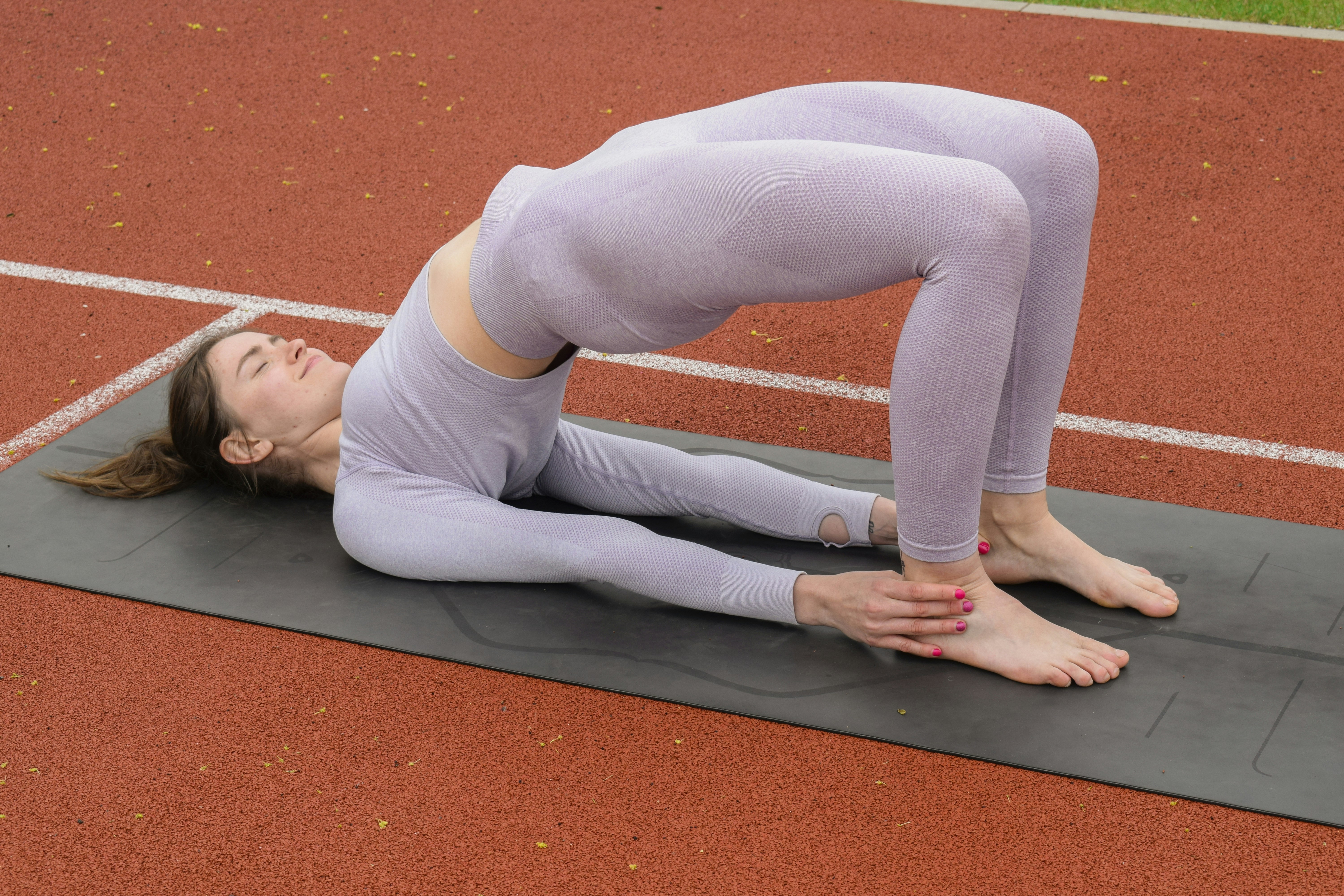
The term "leggings" encompasses a much broader and more versatile category of pants. They range from high-performance athletic wear to high-fashion statement pieces.
Performance and Support for Active Lifestyles
Performance leggings are engineered for a wide variety of physical activities beyond yoga, including running, weightlifting, and high-intensity interval training (HIIT). These leggings often feature compression technology, which applies gentle pressure to the muscles to improve blood flow and reduce muscle fatigue. The fabrics are typically advanced synthetic blends that are highly durable, sweat-wicking, and quick-drying. Unlike many traditional yoga pants, these performance leggings are almost always skin-tight to maximize their aerodynamic and supportive properties.
Fashion-Forward Choices and Everyday Wear
Outside of the gym, leggings have become a cornerstone of modern casual fashion. They are available in an endless variety of materials, including cotton, modal, faux leather, suede, and fleece. This diversity allows them to be styled for countless occasions. You can find leggings with bold prints, interesting textures, and unique details like zippers or moto-style paneling. The rise of athleisure has made it perfectly acceptable to wear fashion leggings for everyday activities, from grocery shopping to brunch with friends. The sheer variety in design and material is a testament to their versatility, and many brands work with a specialized custom legging manufacturer to create unique styles that stand out.
Comparing Fit and Fabric: Yoga Pants vs Leggings Up Close
To make the differences crystal clear, here's a side-by-side comparison of the most common characteristics of traditional yoga pants and leggings.
| Feature | Yoga Pants | Leggings |
|---|---|---|
| Primary Purpose | Yoga, Pilates, low-impact exercise, lounging | Multi-purpose: high-intensity workouts, fashion, everyday wear |
| Common Fabrics | Four-way stretch knits (Spandex, Nylon, Polyester blends) | Wide variety: Cotton, Lycra, Faux Leather, Fleece, performance blends |
| Typical Fit | Fitted through thigh, with bootcut, flare, or straight-leg options | Consistently skin-tight from waist to ankle |
| Waistband | Usually wide, high-rise, and flat for comfort when bending | Varies greatly; can be a simple elastic band or a wide, high-compression band |
| Key Features | Gusseted crotch, thick and opaque fabric, fold-over waistbands | Compression, moisture-wicking, pockets, diverse patterns and textures |
| Opacity | Generally thick and fully opaque to prevent sheerness during poses | Varies; performance leggings are opaque, fashion leggings can be less so |
Exploring Popular Styles: My Favorite Yoga Pants vs Leggings
Now that we understand the technical differences, let's explore some of the popular styles you'll encounter. These examples highlight the unique features that make each type of pant special.
Top Picks in Yoga Pants
These styles typify what makes yoga pants the go-to choice for comfort and mindful movement.
Eco Highrise Flare Pant
This style combines a classic, flattering flare silhouette with a modern high-rise waist. The "eco" designation often means it's made from sustainable materials like recycled polyester or organic cotton, offering an environmentally conscious choice without sacrificing performance. The flare provides a balanced look and unrestricted ankle movement.
High Waist Flare Legging
While it has "legging" in the name, its function and flare cut place it firmly in the yoga pants category. The high waist is designed for maximum coverage and support during inversions and deep forward folds, ensuring you can move with confidence.
Eco Pocket Flare
Function meets fashion in this design. It takes the beloved flare yoga pant and adds the modern convenience of pockets, deep enough to hold a phone or keys. This makes it an incredibly practical option for those who want to go from their yoga practice to running errands without needing a bag. For those looking to create a unique version, exploring options for a custom yoga legging with specialized pockets can be a great path.
Eco Lounge Pant
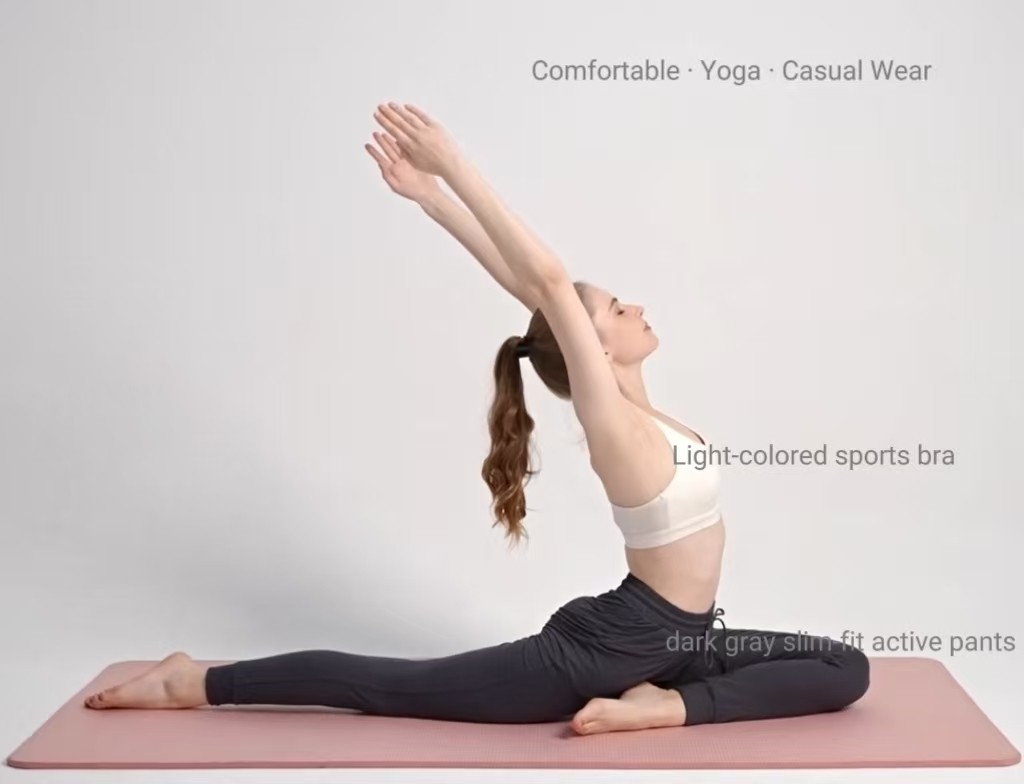
Blurring the line between activewear and leisurewear, lounge pants are the ultimate in comfort. Made from ultra-soft, breathable fabrics, they often have a more relaxed fit than traditional yoga pants, making them perfect for gentle stretching, meditation, or simply relaxing at home.
Bamboo Pocket Pant
Pants made from bamboo viscose are celebrated for their incredible softness, breathability, and natural moisture-wicking properties. These pants offer a luxurious feel against the skin and are often hypoallergenic, making them a great choice for those with sensitive skin. The addition of pockets adds a practical touch.
Must-Have Leggings
This selection showcases the incredible range and specialization found within the world of leggings.
Eco Fleece Legging
When the temperature drops, fleece-lined leggings are a game-changer. They provide the sleek, shaping fit of a standard legging but with an added layer of brushed fleece on the inside for exceptional warmth. They are perfect for cold-weather runs, winter hikes, or just staying cozy.
Eco Pocket Leggings 3.0
This name suggests an evolution in design, focusing on functionality. These are high-performance leggings designed with multiple, strategically placed pockets for phones, keys, and gels, making them ideal for runners and gym-goers. The "eco" prefix indicates they are likely made from recycled, sustainable materials.
Daytripper Leggings
As the name implies, these leggings are designed for travel and all-day wear. The fabric is typically wrinkle-resistant, comfortable, and versatile enough to be dressed up or down, taking you from a plane ride directly to a city tour.
Bamboo High Waist Leggings 2.0
This style takes the beloved high-waist legging and crafts it from soft and sustainable bamboo fabric. Known for being breathable and thermoregulating, these leggings are comfortable in various climates and are exceptionally gentle on the skin.
Bamboo Pocket Legging 2.0
Combining the benefits of bamboo fabric with the practicality of pockets, this style is a perfect everyday legging. It offers the softness and breathability of bamboo while providing the convenience of carrying your essentials hands-free.
Live Wire Leggings 2.0
This name evokes energy and high performance. These are technical leggings likely designed for the most intense workouts. Expect features like maximum compression for muscle support, durable and highly sweat-wicking fabric, and reinforced seams to withstand dynamic movements. When brands want to engineer such high-performance gear, they often partner with an expert custom legging manufacturer to perfect the fabric technology and construction.
Making the Right Choice: When to Wear Yoga Pants vs Leggings
Understanding the best context for each garment will ensure you are always comfortable, supported, and stylish.
Optimal Use Cases for Yoga Pants
Yoga pants are, unsurprisingly, the superior choice for practicing yoga. Their non-restrictive fit, gusseted crotch, and opaque fabric are all designed to accommodate the deep stretching, bending, and holding of poses. They are also excellent for other low-impact activities like Pilates, barre, tai chi, and stretching. Beyond the studio, their unparalleled comfort makes them a perfect choice for lounging at home, working from a home office, or for long travel days where comfort is the top priority.
The Best Scenarios for Leggings
Leggings are the more versatile choice for a wider range of activities.
- High-Intensity Workouts: For running, cycling, CrossFit, or weightlifting, choose performance leggings with moisture-wicking properties and compression.
- Layering: Thinner cotton or modal leggings are perfect for layering under dresses, tunics, or long sweaters in cooler weather.
- Fashion Statements: Faux leather, printed, or textured leggings can be the centerpiece of a stylish outfit for a night out or a social event.
- Everyday Errands: A simple, comfortable pair of leggings is an easy and practical choice for running errands, walking the dog, or grabbing coffee.
Final Thoughts
So, while both yoga pants and leggings offer incredible comfort and versatility, I hope this guide has illuminated their unique characteristics and rich histories. From their distinct origins to their specific design features and intended uses, there is a clear and important distinction in the world of yoga pants vs. leggings.
Ultimately, the best choice for you will always depend on your personal preferences, your style, and the activities you have planned. Armed with this knowledge, you can now confidently navigate the activewear aisle and choose the perfect pair of pants for your next workout, adventure, or cozy day in!
Frequently Asked Questions
Q: Can you wear leggings to do yoga? A: Yes, you can, but with a caveat. Many performance leggings are suitable for yoga, especially if they offer four-way stretch and are made of opaque, sweat-wicking material. However, some fashion leggings might be too thin, become sheer when stretched, or have uncomfortable waistbands, so it's best to choose a pair specifically designed for athletic activity.
Q: Are yoga pants supposed to be tight or loose? A: Traditional yoga pants are designed to be fitted through the waist and hips but often have a looser, straight-leg or flare cut from the knee down. This allows for freedom of movement without excess fabric getting in the way. However, many modern "yoga pants" now feature a tight, legging-style fit, so it often comes down to personal preference.
Q: What is the main difference in fabric between yoga pants and leggings? A: The main difference is specialization versus variety. Yoga pants almost exclusively use thick, opaque, four-way stretch knit fabrics (like nylon/spandex or polyester/spandex) designed for performance. Leggings, as a broader category, can be made from these same performance fabrics, but also come in a huge range of other materials including cotton, fleece, faux leather, and modal for fashion and casual wear.
Q: Why do yoga pants have a gusset? A: The gusset is a diamond-shaped piece of fabric sewn into the crotch area. This design feature reinforces the seams and disperses stress, preventing the pants from splitting during deep stretches and wide-legged poses common in yoga. It significantly increases durability and range of motion.