What's Trending: Sportswear Innovation News Across All Apparel Types
As we navigate the ever-evolving world of athletic apparel, I'm here to share the latest sportswear innovation news that's shaping how we dress for performance and everyday life. The industry isn't just about sportswear anymore; it's about a lifestyle. From groundbreaking materials to personalized designs, the sportswear industry is constantly pushing boundaries. Join me as we explore the exciting advancements and key trends that are transforming the landscape of athletic wear.
Key Takeaways
- Fabric is the Foundation: Innovation in sportswear begins with the material. Sustainable options like recycled polyester and bamboo are becoming mainstream, offering eco-friendly performance without compromise. Smart fabrics are also on the rise, with features like temperature regulation and antimicrobial properties enhancing comfort and hygiene.
- Performance-Enhancing Materials: The combination of mesh and compression fabrics offers a powerful duo of breathability and muscle support, crucial for high-intensity training and recovery. Specialized materials like neoprene provide essential waterproofing and insulation for water and cold-weather sports, while versatile tech fabrics and 4-way stretch materials allow for unrestricted movement and durability.
- Customization is King: The modern athlete and team desire a unique identity. This is achieved through personalized fits, custom warm-up gear, and coordinated accessories. Bold color palettes, neon accents, and unique patterns are being used to create dynamic and memorable looks.
- The Power of Sublimation: Sublimation printing has revolutionized customization, allowing for vibrant, full-color designs that are durable and won't crack or fade. This technique fuses dye directly into the fabric, maintaining the material's breathability and lightweight feel, making it an eco-friendlier choice with less waste.
- Future-Forward Trends: The line between gym wear and street style continues to blur with the dominance of athleisure. The future of sportswear lies in inclusivity, with a growing emphasis on gender-neutral designs and adaptive clothing. On-demand production models and influential collaborations are also shaping what's next.
- Branding and Community: Custom apparel is a powerful tool for building a unified team identity, boosting morale, and projecting a professional image. It engages fans, differentiates a brand from its competition, and can even be used as a successful fundraising tool to foster a sense of belonging within a community.
Unpacking the Latest Sportswear Innovation News in Fabric Technology
The heart of all sportswear innovation lies in fabric technology. The materials used in athletic apparel do more than just provide coverage; they are engineered to enhance performance, improve comfort, and even monitor the athlete's body. As technology advances, we're seeing an incredible fusion of science and textiles, pushing the boundaries of what our clothing can do for us. From sustainable materials that protect our planet to intelligent fabrics that regulate temperature, the latest news in fabric technology is reshaping the industry from the ground up.
Sustainable Fabrics: A Green Revolution in Sportswear
Sustainability is no longer a niche trend but a core driver of innovation in the sportswear industry. Consumers are increasingly demanding eco-friendly options, and brands are responding by developing high-performance fabrics that have a smaller environmental footprint. This green revolution is about creating apparel that performs for the athlete and cares for the planet.
Recycled Polyester and Organic Cotton Making Waves
Recycled polyester, often called rPET, is at the forefront of the sustainable fabric movement. This material is typically made from recycled plastic bottles, transforming post-consumer waste into high-quality, durable yarn. Using recycled polyester can significantly reduce energy consumption by 30-50% and carbon emissions by as much as 60% compared to virgin polyester production. Brands are increasingly adopting materials like reclaimed nylon and bio-based elastane to reduce their ecological footprint.
Alongside recycled plastics, organic cotton is another key player. Grown without toxic pesticides and synthetic fertilizers, it's a far more environmentally friendly alternative to conventional cotton. Organic cotton farming also uses significantly less water, with some estimates suggesting a 90% reduction, and helps build healthy, carbon-storing soil. While it offers the same softness and breathability as its conventional counterpart, it does so with a much lighter impact on the environment.
Bamboo Fiber: A Naturally High-Performing Choice
Bamboo fabric has emerged as a popular and sustainable choice for activewear, prized for its natural performance properties. As one of the fastest-growing plants in the world, bamboo is a highly renewable resource that requires no pesticides and very little water to thrive.
From a performance standpoint, bamboo is a powerhouse. It is exceptionally soft, breathable, and has natural moisture-wicking capabilities that pull sweat away from the skin, keeping the wearer dry and comfortable. Furthermore, bamboo fabric is known for its natural antibacterial and hypoallergenic properties, which help reduce odor and make it gentle on sensitive skin. It also offers natural UV protection, making it an excellent choice for outdoor activities. These qualities combine to make bamboo an ideal material for a wide range of activewear, from yoga pants and leggings to everyday base layers.
Smart Fabrics for Enhanced Performance
The next frontier in sportswear is smart fabrics—textiles embedded with technology to offer functionality beyond traditional apparel. The smart fabric market is projected to skyrocket, indicating a major shift toward intelligent, responsive clothing. These innovations are turning workout gear into personal performance coaches, recovery aids, and adaptive shields against the elements.
Alt text: Smart fabric technology in a sportswear t-shirt monitoring athlete performance.
Temperature-Regulating Materials for Optimal Comfort
Maintaining an optimal body temperature is critical for peak athletic performance. Innovations in this area include phase-change materials (PCMs) and advanced coatings that help regulate the body's climate. These materials can absorb, store, and release heat in response to the wearer's body and the external environment. For example, fabrics infused with graphene can intelligently redistribute heat, while some textiles feature microcapsules that adapt to temperature fluctuations, ensuring the athlete stays cool during intense activity and warm during rest periods. These temperature-regulating fabrics are a game-changer for athletes who train in variable weather conditions.
Antimicrobial Fabrics for Freshness and Hygiene
Hygiene and freshness are major concerns in sportswear, especially during and after intense workouts. Antimicrobial fabrics address this by inhibiting the growth of odor-causing bacteria. This is often achieved by infusing yarns with silver or copper ions or by applying special treatments that break down microbes. Modern antimicrobial technologies are becoming more sophisticated and durable, ensuring they remain effective even after repeated washes. By keeping apparel fresher for longer, these fabrics not only improve the user experience but also extend the garment's life and reduce the need for frequent washing, which has a positive environmental impact.
Mesh and Compression Fabrics: The Power Duo
In the world of performance sportswear, few combinations are as effective as mesh and compression fabrics. Separately, they offer distinct advantages, but when used together in garment construction, they create a synergy that delivers both exceptional comfort and targeted athletic support. This power duo is a staple in modern activewear design for its ability to manage moisture, enhance breathability, and improve physical performance and recovery.
Breathability and Lightweight Design of Mesh
Mesh fabric is a go-to material for creating breathable and lightweight sportswear. Its open-knit structure allows air to circulate freely, which is essential for cooling the body and allowing sweat to evaporate during high-intensity exercise. Typically made from durable materials like polyester or nylon, mesh is often strategically placed in high-sweat zones—such as the back, underarms, and side panels—to maximize ventilation without compromising the garment's structural integrity. This targeted ventilation helps prevent overheating and keeps the athlete feeling dry and comfortable.
Compression's Role in Support and Recovery
Compression fabric is engineered to fit snugly against the body, providing support to muscles and joints. This targeted pressure helps to reduce muscle oscillations and vibrations during physical activity, which can lead to improved performance and reduced muscle fatigue. Furthermore, compression is widely recognized for its benefits in post-workout recovery. By improving blood circulation, it helps to clear metabolic waste products from the muscles more efficiently while delivering oxygen and nutrients, which can speed up the recovery process and reduce delayed onset muscle soreness (DOMS).
Neoprene and Tech Fabrics: Mastering the Elements
For athletes who face the challenges of water, wind, and cold, specialized fabrics are not just a luxury—they are a necessity. Neoprene and advanced tech fabrics are engineered to provide protection against the elements, enabling performance in conditions that would be prohibitive with standard materials. These fabrics are a testament to how material science can create solutions for specific and demanding athletic environments.
Waterproof and Insulating Properties of Neoprene
Neoprene, a type of synthetic rubber, is synonymous with water sports for good reason. Its primary benefit is its exceptional waterproof and insulating properties. The material's structure traps a thin layer of water between the fabric and the skin, which is then warmed by body heat, creating an effective thermal barrier against cold water. This makes it the ideal material for wetsuits used in surfing, diving, and other water-based activities. Beyond its thermal qualities, neoprene is also highly durable and flexible, offering protection and allowing for a wide range of motion. Modern advancements are leading to more eco-friendly versions of neoprene and variants with enhanced flexibility and lighter weight.
Versatile and High-Performing Tech Fabric Blends
"Tech fabric" is a broad term for materials engineered for superior performance through a blend of natural and synthetic fibers. These fabrics are the workhorses of the sportswear world, designed to be moisture-wicking, breathable, stretchy, and durable all at once. They often combine the quick-drying and durable nature of polyester with the stretch and shape retention of spandex, creating a fabric that moves with the body. Innovations in tech fabrics also include specialized finishes for UV protection, water resistance, and stain repellency, making them incredibly versatile for a multitude of sports and outdoor activities.
Enhanced Mobility with 4-Way Stretch Fabric
Unrestricted movement is fundamental to athletic performance, and 4-way stretch fabric is a key innovation that delivers just that. Unlike 2-way stretch fabrics that only stretch in one direction (typically cross-grain), 4-way stretch materials extend and recover both crosswise and lengthwise. This superior elasticity is usually achieved by blending fibers like spandex (also known as Lycra or elastane) with other materials like polyester or nylon.
The ability to move freely with the body makes this fabric ideal for activities that require a high degree of flexibility, such as yoga, gymnastics, and climbing. The fabric conforms to the athlete's body without being restrictive, providing a "second-skin" feel that enhances comfort and prevents chafing. Furthermore, its excellent shape retention means that garments return to their original form after being stretched, ensuring a consistent fit and long-term durability wash after wash.
The Impact of Sportswear Innovation News on Design and Customization
Innovation in sportswear isn't limited to what fabrics can do; it's also about how they look and feel. The latest trends in design and customization are empowering teams and individuals to create unique apparel that stands out and tells a story. From personalized fits to bold, expressive color palettes, the focus is on creating a strong visual identity. This shift allows for greater self-expression and helps build a cohesive look that can boost team morale and brand recognition.
Personalized Fit and Unique Team Apparel
Gone are the days of one-size-fits-all team uniforms. Today, the emphasis is on a personalized approach to team apparel, ensuring every athlete feels comfortable and confident. This trend extends beyond just the main jersey to encompass a complete, coordinated look for the entire team, from warm-ups to accessories.
Custom Warm-Up Gear and Team Socks
A team's identity is showcased long before the game begins and continues after the final whistle. Custom warm-up gear, including jackets, pants, and hoodies, creates a unified and professional look from the moment a team arrives. This coordination fosters a sense of unity and team pride. The trend also extends to smaller details like custom team socks. These can feature team colors, logos, or even player numbers, adding another layer of personalization and completing a head-to-toe cohesive look that makes the team feel and look like a single, powerful unit.
Coordinated Headwear and Team Accessories
Accessories are no longer an afterthought; they are an integral part of a team's identity. Coordinated headwear, such as custom hats, beanies, and headbands, serves both a functional and aesthetic purpose. These items protect players from the elements while reinforcing the team's brand. Other accessories like athletic bags, towels, and arm sleeves can also be customized to match the team's look, creating a polished and professional appearance at all times, whether on the field, on the sidelines, or traveling.
Bold Colors and Eye-Catching Patterns
In today's visually-driven world, sportswear design is embracing vibrant colors and striking patterns to make a statement. Teams and brands are moving away from traditional, conservative designs and opting for dynamic looks that capture attention and express a unique identity. This trend is about being seen, remembered, and radiating confidence.
Go Bold with Contrasting Colors and Neon Accents
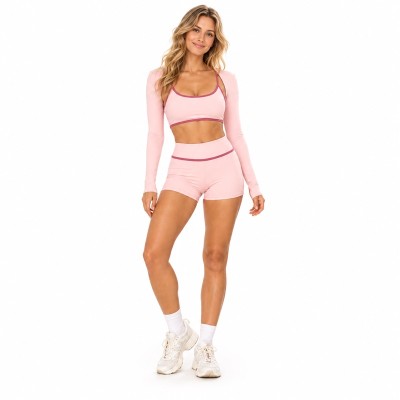
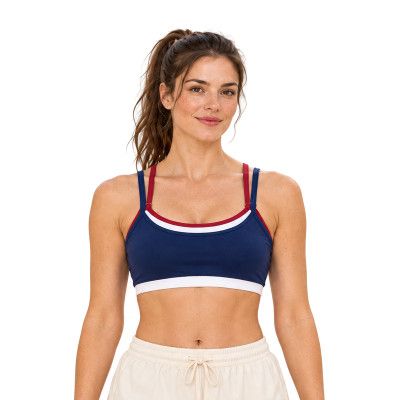
Using contrasting colors is a powerful way to create a visually impactful design. Pairing a dark base color like navy or black with a bright, vibrant accent can make a uniform pop. Neon accents are particularly on-trend, with electric greens, bright pinks, and fluorescent yellows being used for details like logos, piping, and side panels. This strategic use of bright color not only looks modern and energetic but also improves visibility on the field or court.
Incorporating Unique Patterns and Custom Details
Beyond solid colors, unique patterns are becoming a popular way for teams to stand out. This can range from subtle geometric textures to bold, all-over graphics and camouflage prints. Sublimation printing technology has made it easier than ever to incorporate complex, multi-colored patterns without compromising fabric performance. Additionally, custom details like unique fonts for numbers and names or small, symbolic icons woven into the design can add a layer of meaning and storytelling to a team's apparel.
Alt text: Sportswear showcasing bold color trends and eye-catching patterns.
Leveraging Complementary Colors for Dynamic Looks
Understanding color theory can elevate team uniform design to the next level. Using complementary colors—colors that are opposite each other on the color wheel, like blue and orange or red and green—creates a high-contrast, energetic look. When used thoughtfully, this combination can be exciting and dynamic without being overwhelming. For example, a primary team color can be paired with a complementary accent color to make logos and details stand out sharply.
Crafting a Memorable Team Logo and Mascot
A team's logo and mascot are the cornerstones of its brand identity. They are the symbols that fans, opponents, and the community will associate with the team's spirit, history, and values. A great logo is more than just a picture; it's a powerful visual shorthand that should be simple, versatile, and instantly recognizable.
Simple, Versatile, and Timeless Logo Design
The most effective sports logos are often the simplest. Think of iconic logos like the Nike swoosh or the Adidas three stripes—they are clean, easy to remember, and work across a wide variety of applications. A strong logo should be versatile, meaning it looks good whether it's embroidered on a hat, printed large on a jersey, or used as a small icon on social media. Aiming for a timeless design, rather than chasing a fleeting trend, will ensure the logo remains relevant and powerful for years to come.
Integrating Mascots with Strategic Placement and Color
When a team has a mascot, integrating it into the apparel design requires a strategic approach. The mascot can be the central feature of the logo or used as a secondary graphic element on sleeves or shorts. Placement is key to ensure it is visible and impactful without cluttering the design. The colors used for the mascot should align with the team's overall color scheme to maintain a cohesive brand identity. A well-designed mascot can personify the team's fighting spirit and create a strong emotional connection with fans.
The Game-Changing Effect of Sublimation Printing: Key Sportswear Innovation News
One of the most significant technological advancements in custom sportswear is sublimation printing. This digital printing method has revolutionized apparel design by allowing for incredibly detailed, vibrant, and durable graphics that were once impossible or prohibitively expensive to create. Unlike traditional screen printing, which lays ink on top of the fabric, sublimation infuses the dye directly into the fibers, resulting in a design that is part of the fabric itself.
Understanding Sublimation Printing Technology
Sublimation printing is a two-step process. First, a design is printed with special sublimation inks onto a sheet of transfer paper. Then, using a heat press, the transfer paper is applied to the fabric (which must be a polyester or polyester blend). The heat causes the inks to turn into a gas and simultaneously opens the pores of the fabric. The gas permeates the fabric fibers, and as it cools, the ink returns to a solid state, permanently bonded within the material.
Unlimited Design Potential and Vibrancy
The primary advantage of sublimation is the unlimited design potential it offers. Since it's a digital process, it can reproduce any image, pattern, or gradient in millions of colors. This means teams can have photo-realistic images, intricate patterns, or subtle color fades across their entire garment. The colors are exceptionally vibrant and sharp because the dye becomes part of the fabric rather than sitting on the surface. This allows for unparalleled creativity in designing truly unique and eye-catching sportswear.
Durability, Comfort, and Environmental Benefits
Beyond aesthetics, sublimation offers significant functional and sustainable advantages. The process creates apparel that is built to last, performs at a high level, and has a gentler impact on the environment compared to some traditional decoration methods.
Long-Lasting Designs That Won't Crack or Fade
Because the dye is chemically bonded to the fabric fibers, a sublimated design is permanent. It will not crack, peel, or fade over time, even with intense use and repeated washing. The design will last as long as the garment itself, which is a crucial feature for sports uniforms that endure a lot of wear and tear. This durability ensures a team's apparel looks professional and new season after season.
Lightweight and Breathable for Optimal Performance
Since sublimation dye doesn't add an extra layer on top of the fabric, it does not impede the material's natural performance characteristics. The fabric remains lightweight, flexible, and, most importantly, breathable. The material's moisture-wicking properties are fully retained, allowing sweat to pass through the fabric and evaporate, which is essential for keeping athletes cool and comfortable during competition.
An Eco-Friendly Option with Less Waste
Sublimation printing is considered a more environmentally friendly decoration method. The process uses solid inks, which reduces the amount of dye waste compared to other methods that use liquid dyes. There is also no water required in the process, which is a significant environmental saving. Because the designs are printed on demand, it also minimizes wasted materials from overproduction.
Fast Turnaround Times for Quick Updates
The digital nature of sublimation printing allows for a much faster setup and production process compared to traditional screen printing, which requires creating individual screens for each color in a design. With sublimation, a design can be sent directly from a computer to the printer, making it easy to produce small batches or even single-piece orders efficiently. This fast turnaround is ideal for teams needing quick uniform updates, replacements, or additions to their roster mid-season.
Future Trends and Consumer Behavior in Sportswear Innovation News
The sportswear landscape is in a constant state of flux, driven by evolving consumer behaviors, technological breakthroughs, and cultural shifts. Looking ahead, several key trends are set to define the future of athletic apparel. These trends reflect a consumer who demands more than just performance; they seek versatility, inclusivity, aesthetic appeal, and a personal connection to the brands they wear.
The Blurring Lines: Athleisure and Hybrid Designs
The athleisure movement—wearing athletic apparel in casual and social settings—is more than a trend; it's a firmly established lifestyle. The global athleisure market continues to surge, demonstrating that consumers prioritize comfort and functionality in their everyday wardrobes.
From Gym to Street: Versatility in Apparel
The demand for versatility is at the heart of the athleisure trend. Consumers want apparel that can seamlessly transition from a morning workout to a coffee meeting, and then to running errands. This has led to the rise of hybrid designs: garments that blend performance features like moisture-wicking and stretch with sophisticated, street-style aesthetics. Think tailored joggers, sleek hoodies, and polo shirts made from technical fabrics. These pieces deliver the comfort of sportswear with a look that is appropriate for a wide range of non-athletic situations.
Performance Meets Aesthetics: A New Era of Sportswear
While comfort and versatility are paramount, today's consumers are unwilling to sacrifice aesthetics or performance. The intersection of high-performance features and cutting-edge design is creating a new era of sportswear that is both beautiful and functional. Brands are investing heavily in technologies that enhance the look and feel of their garments without compromising their athletic capabilities.
Seamless Knits and Laser-Cut Ventilation
Seamless knitting technology has revolutionized garment construction. By using circular knitting machines, manufacturers can create apparel with minimal or no seams, which reduces chafing and improves comfort. This technique also allows for the integration of different textures and knit patterns—like breathable mesh panels or supportive ribbed sections—directly into a single piece of fabric, reducing waste and creating a sleek, body-contoured fit. Paired with this, laser-cut ventilation offers another method for enhancing breathability with precision. Tiny, laser-cut holes are placed in strategic heat zones to allow for targeted airflow, all while adding a modern, high-tech design element.
Inclusivity and Adaptability: Designing for Everyone
A major and much-needed shift in the sportswear industry is the move towards greater inclusivity. Brands are increasingly recognizing the importance of designing apparel that caters to a diverse range of body types, genders, and abilities. This trend is about breaking down barriers and ensuring that everyone can find high-quality performance wear that makes them feel confident and supported.
Gender-Neutral Designs and Size-Inclusive Options
The traditional gender binary in clothing is being challenged, leading to a rise in gender-neutral or unisex sportswear collections. These lines often feature more relaxed fits and color palettes that appeal to a broad audience. Equally important is the expansion of size-inclusive options. Brands are finally moving beyond the standard S-M-L model to offer a wider range of sizes, from XXS to 6XL and beyond, ensuring that athletes of all body shapes can find gear that fits them properly.
Adaptive Features for Enhanced Accessibility
Innovation is also being directed towards creating adaptive sportswear for individuals with disabilities. This can include features like magnetic closures instead of zippers for easier dressing, seated-fit designs for wheelchair users, or sensory-friendly fabrics. These thoughtful design adaptations make sportswear more accessible and functional for a wider community of athletes, embodying the principle that sport is for everyone.
The Rise of On-Demand Production and Fast Fashion
The manufacturing side of the sportswear industry is also undergoing a transformation. On-demand production models are becoming more viable thanks to digital technologies like sublimation printing and advanced knitting. This approach allows brands to produce items only after an order is placed, significantly reducing waste from overproduction and unsold inventory. This agility also enables "fast fashion" cycles within sportswear, where brands can quickly respond to emerging trends and launch new, limited-edition designs in a matter of weeks, keeping their offerings fresh and exciting.
Collaborations and Influencer Partnerships Driving Sportswear Trends
In the age of social media, collaborations and influencer partnerships are powerful forces in shaping sportswear trends. High-profile collaborations between sportswear giants and luxury fashion houses, artists, or celebrities generate immense hype and often result in sell-out collections. Similarly, fitness influencers and professional athletes have a huge impact on what consumers want to wear. Their endorsements can catapult a specific style or brand to viral status, making these partnerships a key marketing strategy for reaching new audiences and driving sales.
Building Community and Branding with Sportswear Innovation News
Custom sportswear is more than just functional gear; it's a powerful tool for building a brand, fostering community, and creating a strong, unified identity. When a team, company, or school wears cohesive apparel, it sends a clear message of unity and professionalism. This visual connection can boost morale, engage fans, and set a group apart from the competition.
A Unified Look for a Strong Identity
Creating a unified look through custom apparel is one of the most effective ways to establish a strong group identity. Whether on the court, in the office, or at a community event, a coordinated appearance instantly signals that individuals are part of the same team, working towards a common goal.
Boosting Team Morale and Cohesion
Wearing matching apparel has a profound psychological impact on team members, fostering a sense of belonging and unity. When everyone is dressed in the same colors and logo, it visually erases hierarchies and reinforces the idea that "we are all in this together." This shared identity can significantly boost team morale, improve communication, and strengthen the bonds between members, leading to better performance and a more positive group dynamic.
Professionalism and Credibility Through Apparel
A unified appearance projects an image of professionalism, organization, and credibility to the outside world. When a team shows up in well-designed, matching uniforms, it communicates that they take themselves and their endeavor seriously. This can build trust with fans, clients, and opponents alike. For businesses, branded apparel turns employees into brand ambassadors, enhancing the company's professional image in every interaction.
Alt text: Sports team in custom apparel celebrating, showcasing team unity and professionalism.
Engaging Fans and Differentiating Your Brand
In a competitive landscape, a strong brand identity is crucial for capturing attention and building a loyal following. Custom apparel plays a key role in engaging fans and creating a look that is instantly recognizable and distinct from competitors.
Memorable Fan Experiences and Merchandise
For sports teams, fan apparel is a vital link to their supporter base. Offering fans the chance to wear the same designs as their favorite players creates a powerful sense of connection and community. High-quality, stylish merchandise not only generates revenue but also turns fans into walking billboards for the team. This visual support at games and in the community creates an electric atmosphere and strengthens the bond between the team and its followers.
Standing Out from the Competition
A unique and memorable uniform can become a key part of a team's or brand's identity, helping it stand out in a crowded field. thoughtful design—using distinctive colors, a memorable logo, or innovative patterns—can make a team instantly recognizable. This differentiation is not just about aesthetics; it's a strategic move to build brand equity and create a lasting impression that sets the team or company apart from everyone else.
Custom Apparel as a Fundraising Power Move
Custom apparel is a highly effective and popular tool for fundraising. Schools, clubs, and non-profit organizations can design and sell branded merchandise like t-shirts, hoodies, and hats to raise money for their causes. Because apparel is a tangible and useful product, supporters are often more willing to purchase it than to simply make a donation. This method not only raises necessary funds but also increases awareness for the organization as people wear the apparel in their communities.
Fostering a Sense of Belonging in School Communities
In a school setting, custom apparel is a cornerstone of building school spirit and a sense of community. From sports team uniforms to spirit wear for the entire student body, branded clothing gives students, faculty, and parents a tangible way to show their pride and affiliation. It creates a sense of belonging and unity during athletic events, assemblies, and other school functions, strengthening the entire school community.
From cutting-edge fabrics that enhance performance to personalized designs that express individuality, the sportswear innovation news continues to inspire and redefine what's possible in athletic wear. The trends we've explored show a clear path toward apparel that is smarter, more sustainable, more inclusive, and more deeply connected to our identities and communities.
But for brands, navigating these trends can be overwhelming. The most innovative trends look beautiful in theory, but the real challenge lies in transforming them into high-quality, mass-produced styles. This is where the expertise of a seasoned manufacturing partner becomes invaluable. Issues like fabric stability, colorfastness, pilling resistance, and maintaining consistency across a large production run are critical hurdles that determine a product's success. A knowledgeable manufacturer like Bloomto specializes in breaking down each trend into an executable development plan. They address the technical challenges head-on to ensure that the final product not only looks good but also performs flawlessly and maintains its quality over time.
If you are planning your next season's collection of sports bras, yoga sets, training t-shirts, tennis skirts, or golf apparel, and want to translate the "latest sportswear innovation news" into a commercially successful and beloved product line, partnership is key. Bloomto can provide end-to-end OEM/ODM support based on your brand's unique positioning and target price point. From providing expert fabric recommendations and technical solutions to managing sampling and full-scale production, they help you build a product line that is not only on-trend but also reliable and ready for repurchase.
Contact us to get a curated list of trend-forward materials and expert development advice for your next collection.
Frequently Asked Questions (FAQ)
Q1: What are the most important sustainable fabric innovations in sportswear? A1: The most significant sustainable innovations include the widespread use of recycled polyester (rPET) from plastic bottles and organic cotton. Recycled polyester reduces reliance on petroleum and cuts down on energy and emissions. Organic cotton is grown without harmful pesticides and uses far less water than conventional cotton. Another key material is bamboo, a fast-growing, renewable resource that offers natural moisture-wicking and antibacterial properties. Brands are also exploring bio-based alternatives to synthetic fibers.
Q2: How do smart fabrics enhance athletic performance? A2: Smart fabrics are textiles embedded with technology to provide active benefits. Some regulate body temperature using phase-change materials (PCMs) that absorb or release heat to keep the athlete comfortable. Others have integrated biometric sensors that can track heart rate, breathing, and muscle exertion, turning apparel into a data-gathering device. Additionally, antimicrobial fabrics infused with materials like silver or copper prevent the growth of odor-causing bacteria, keeping garments fresh and hygienic.
Q3: What is sublimation printing, and why is it a game-changer for custom sportswear? A3: Sublimation printing is a digital decoration technique where heat is used to transfer dye directly into the fibers of polyester fabric. It's a game-changer because it allows for unlimited design possibilities, including complex patterns, gradients, and photo-realistic images in vibrant, permanent color. Unlike screen printing, the design won't crack, peel, or fade, and it doesn't compromise the fabric's breathability or lightweight feel, making it ideal for high-performance apparel.
Q4: What is the "athleisure" trend, and how is it impacting sportswear design? A4: Athleisure refers to the trend of wearing athletic apparel in non-athletic, everyday settings. It has had a massive impact on design, pushing brands to create "hybrid" apparel that is versatile enough for both the gym and the street. This means blending performance features like moisture-wicking and 4-way stretch with more sophisticated aesthetics, such as tailored fits, minimalist branding, and elevated materials, creating clothes that offer both style and comfort.
Q5: How can custom apparel help build a team or brand's identity? A5: Custom apparel serves as a powerful visual tool for creating a unified identity. For teams, wearing matching uniforms fosters a sense of belonging, boosts morale, and promotes cohesion. For businesses or schools, it projects a professional and credible image. A unique and well-designed set of apparel also helps a brand stand out from its competitors, makes it more memorable to fans and customers, and turns team members or employees into proud brand ambassadors.