Understanding Sportswear: What to Wear for Maximum Flexibility in Yoga
Hello everyone! If you're anything like me, you love the feeling of stretching and moving freely in yoga. But sometimes, our clothes can get in the way, right? Today, we're going to dive into the world of sportswear to figure out what to wear for maximum flexibility in yoga. Finding the perfect yoga outfit isn't just about looking good; it's about comfort, support, and allowing your body to move without restriction. I'll share everything I've learned about choosing the best sportswear to enhance your yoga practice.
Key Takeaways
- Fabric is Foundational: The right fabric is critical for a successful yoga practice. Your apparel's ability to stretch, manage moisture, and breathe will directly impact your comfort and performance.
- Embrace Four-Way Stretch: For unrestricted movement in every pose, from Downward Dog to Warrior III, prioritize fabrics with four-way stretch. This material moves with you, both lengthwise and crosswise, ensuring your clothing never holds you back. Materials like Spandex, Lycra, or elastane are key ingredients, and yoga wear should ideally contain at least 15% of these fibers.
- Prioritize Performance Synthetics: Nylon and polyester blends are the workhorses of yoga wear for good reason. They are durable, excellent at wicking moisture, and offer great shape retention. Nylon is often praised for its "buttery" soft feel, while polyester is a champion of quick-drying performance, making it ideal for hot yoga.
- Fit Dictates Focus: How your clothes fit is just as important as the fabric. A high-waisted legging provides coverage and core support, preventing distracting adjustments. Tops should be snug but not restrictive, staying in place during inversions. Seamless designs are a major plus, as they eliminate chafing and irritation.
- Cotton is a Compromise: While natural and breathable, 100% cotton is generally not recommended for active yoga sessions. It absorbs sweat, becomes heavy and damp, and can restrict movement as it loses its shape. If you prefer cotton, look for blends with a small percentage of spandex for added flexibility, best suited for gentle or restorative practices.
- Support is Non-Negotiable: A supportive sports bra is essential. The required level of support (low, medium, or high impact) depends on the intensity of your yoga practice and your body type. The goal is to feel secure without feeling constricted.
- Advanced Features Enhance Practice: Look for details that signal high-quality construction. A gusseted crotch in leggings allows for a greater range of motion and durability. Flatlock seams lie flat against the skin to prevent chafing, and durable fabric construction ensures your favorite pieces last through countless washes and wears.
Understanding the Importance of Fabric: Which Sportswear Offers the Best Flexibility?
Choosing the right activewear is a crucial first step to a fulfilling yoga session. The material of your clothing directly influences your comfort, your ability to move, and even your focus on the mat. Yoga involves a wide array of movements—bending, stretching, twisting, and flowing—and your apparel needs to support every single one without hindrance. Let's break down the essential fabric properties that make for the best yoga sportswear.
The Stretch Factor: Why it Matters for Yoga
Flexibility isn't just a goal for your body in yoga; it's a requirement for your clothes. The ability of a fabric to stretch and recover is paramount. Without it, you'll feel restricted in deep lunges, binds, and folds. This not only hinders your ability to achieve the full expression of a pose but can also create a safety risk if you're fighting against your clothing. The ideal fabric moves like a second skin, providing support while allowing for a complete and unrestricted range of motion.
Four-Way Stretch Fabrics: Your Yoga Best Friend
The gold standard for yoga apparel is "four-way stretch" fabric. Unlike two-way stretch materials that only stretch in one direction (usually crosswise), four-way stretch fabrics expand and retract both lengthwise and widthwise. This is typically achieved by weaving elastic fibers, like spandex or elastane, in a crisscross pattern with other materials like polyester or nylon.
This multi-directional elasticity means that no matter how you move—forward, backward, or side-to-side—the fabric moves with you. It gracefully accommodates deep squats, wide-legged stances, and intricate binds without pulling, bunching, or becoming see-through. This ensures your focus remains on your alignment and breath, not on adjusting your clothes. Look for fabrics containing at least 10-15% spandex (also known as Lycra or elastane) to get that essential, flexible fit.

Moisture-Wicking and Breathability: Staying Comfortable
During any yoga practice, from a gentle Hatha class to a powerful Vinyasa flow, your body temperature will rise and you will sweat. This is where two key fabric properties come into play: moisture-wicking and breathability. Though often used interchangeably, they perform distinct but complementary functions.
- Breathability refers to a fabric's ability to allow air to circulate. Materials with good airflow prevent heat from getting trapped against your skin, helping you stay cool.
- Moisture-wicking is the fabric's ability to pull sweat away from your skin and move it to the fabric's outer surface, where it can evaporate quickly.
Together, these properties prevent that sticky, clammy feeling that can be a major distraction. They keep you feeling dry and comfortable, which is crucial for hygiene and preventing skin irritation caused by lingering sweat. For practices in heated rooms, like hot yoga, clothes that combine both features are an absolute necessity.
Fabrics to Look For (and Avoid!)
The tag on a piece of yoga clothing tells a story about its performance. Understanding the pros and cons of different materials will help you make an informed choice. The best yoga clothes often feature a blend of fibers, combining the strengths of each.
Synthetic Wonders: Polyester, Nylon, Spandex/Lycra
Synthetic fabrics are the dominant players in high-performance activewear for a reason. They are engineered for durability, stretch, and moisture management.
- Polyester: A true workhorse, polyester is incredibly durable, holds its shape well, and is excellent at wicking moisture. This makes polyester-spandex blends a top choice for high-intensity workouts and hot yoga, as they dry very quickly.
- Nylon: Known for its exceptionally soft, "buttery" feel, nylon is lightweight, stretchy, and highly resilient. A nylon-spandex blend offers a luxurious, second-skin sensation with fantastic shape retention, making it perfect for leggings and sports bras where comfort is a top priority. While both are great choices, nylon-spandex blends are often praised for superior softness and flexibility, whereas polyester-spandex is a champion for its moisture management and cost-effectiveness.
- Spandex/Lycra/Elastane: These are all names for the same wonder fiber that gives yoga wear its essential stretch. Spandex can stretch up to eight times its original size and snap back perfectly. It's almost always blended with other fibers, as a little goes a long way in providing the flexibility needed for yoga.
Natural Choices: Bamboo
Bamboo has emerged as a popular natural alternative in activewear, prized for its softness and sustainable origins. Bamboo fabric, typically a form of viscose rayon, is incredibly soft against the skin, breathable, and has natural moisture-wicking properties. Many also tout its natural antibacterial qualities, which can help reduce odor.
However, there are some trade-offs. Bamboo can be less durable than synthetics like nylon and may be prone to pilling with high friction. It also holds more water and takes longer to dry than polyester, though it is more absorbent than cotton. For yogis with sensitive skin or those prioritizing eco-friendly materials for low-to-moderate intensity practices, bamboo is an excellent choice.
The Cotton Conundrum: Is it Really the Best?
Cotton is beloved for its natural softness and breathability in everyday clothing, but it generally falls short for an active yoga practice. The main issue is its high absorbency; cotton soaks up sweat like a sponge and holds onto it. This makes the fabric heavy, damp, and clingy.
Wet cotton can lead to chafing, and as the moisture cools, it can leave you feeling chilled after your practice. Furthermore, 100% cotton lacks the elasticity and shape recovery needed for dynamic movements, often stretching out and becoming baggy. For a very gentle, restorative yoga class with minimal sweating, a cotton blend with spandex might be acceptable. However, for most yoga styles, it is best to avoid 100% cotton garments.
| Fabric Type | Key Benefits | Best For | Considerations |
|---|---|---|---|
| Nylon-Spandex Blends | Exceptionally soft, durable, great stretch and recovery. | Vinyasa, Hatha, everyday wear. | Can be less moisture-wicking than polyester. |
| Polyester-Spandex Blends | Superior moisture-wicking, quick-drying, durable. | Hot yoga, Ashtanga, high-intensity flows. | Can sometimes feel less soft than nylon. |
| Bamboo Blends | Very soft, breathable, hypoallergenic, eco-friendly plant source. | Gentle yoga, restorative, sensitive skin. | Less durable and slower to dry than synthetics. |
| Cotton Blends | Natural feel, breathable (when dry). | Very gentle or restorative yoga, loungewear. | Absorbs sweat, gets heavy, loses shape when wet. |
Finding Your Perfect Fit: Which Sportswear Offers the Best Flexibility and Support?
Once you've nailed down the right fabric, the next critical component is fit. The way your sportswear sits on your body can either elevate your practice or become a constant source of distraction. The goal is to find pieces that feel like a second skin—supportive and secure, yet completely non-restrictive. Ill-fitting clothes can bunch up, slide down, or chafe, pulling your focus away from your breath and alignment.
Leggings and Bottoms: Moving Freely from Downward Dog to Warrior Pose
Your bottoms are the foundation of your yoga outfit. They need to provide total freedom of movement while ensuring you feel covered and confident, no matter the pose.
High-Waisted for Coverage and Confidence
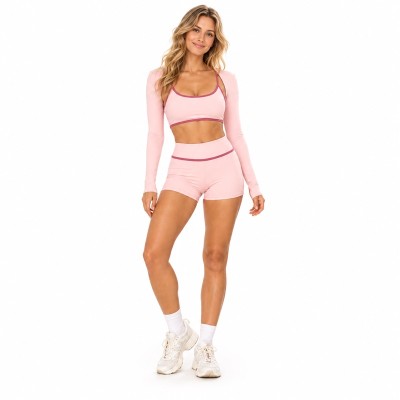
High-waisted leggings have become a favorite in the yoga community for several excellent reasons. They provide ample coverage and support around the midsection, which means you don't have to worry about your leggings rolling down or your top riding up during inversions or forward folds. This secure fit helps you stay focused on your practice instead of constantly readjusting your clothes. The gentle compression around the core can also offer a feeling of stability and may even help with postural awareness. Many people also appreciate the smooth, flattering silhouette that high-waisted designs create.

Length Choices: Full, Capri, or Shorts?
The ideal length for your yoga bottoms often comes down to personal preference, the astyle of yoga you practice, and the temperature of your environment.
- Full-Length Leggings: Extending all the way to the ankle, this is the most traditional and versatile option. They provide full coverage, which can be beneficial for certain arm-balancing poses where the friction of fabric on skin helps with grip. They are also ideal for cooler environments or for those who simply prefer more coverage.
- Capri Leggings: These leggings typically end mid-calf and are an excellent choice for warmer weather or heated classes, as they offer more breathability. They allow for great freedom of movement, especially around the knees and ankles, making them well-suited for a variety of yoga styles.
- Yoga Shorts: For hot yoga or practice in a very warm climate, shorts offer maximum airflow and mobility. They are the least restrictive option, though some may find they offer less grip and coverage for certain poses.
Tops and Sports Bras: Keeping Everything in Place
The right top will support you and stay put without limiting your movement in any way. You want to avoid anything that is too loose, as it can fall over your head in poses like Downward Dog, or anything too tight that restricts your breathing or shoulder movement.
Snug, Not Restrictive: The Ideal Top Fit
For yoga tops, the best fit is generally form-fitting or "narrow-fit." A snug top will stay in place as you twist, bend, and go upside down, eliminating distractions. Look for styles that are fitted around the hips and waist to prevent them from riding up. Tank tops, especially those with a racerback design, are a popular choice as they allow for excellent shoulder mobility. Whatever style you choose, do a quick "forward-fold test" in the dressing room—if the top falls over your head or gaps at the chest, it's likely too loose for an active practice.
Supportive Sports Bras: A True Yoga Essential
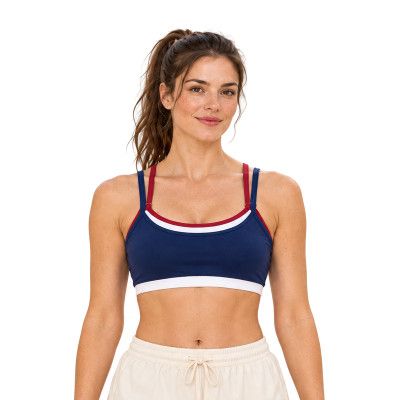
A supportive sports bra is a non-negotiable piece of gear for most women. While yoga is generally considered a low-to-medium impact activity, the right sports bra provides comfort and security, especially during inversions and dynamic flows.
Key considerations for choosing a yoga sports bra include:
- Support Level: For most yoga styles like Hatha or Vinyasa, a low-to-medium support bra is usually sufficient. For more vigorous practices like power yoga, you might prefer the security of medium support.
- Comfort and Fit: The band should be snug but not so tight that it restricts your breath. It provides the majority of the support. Straps should be comfortable and stay put without digging into your shoulders.
- Fabric: Look for soft, breathable, and moisture-wicking materials to keep you cool and prevent chafing. A good yoga bra should feel like a gentle, supportive hug.
Seamless Design: Eliminating Distractions
Seamless sportswear is a game-changer for yoga. This technology uses advanced circular knitting machines to create garments with minimal seams or stitches. The result is an incredibly smooth, lightweight piece of clothing that fits like a second skin. The primary benefit is a massive reduction in chafing and irritation, as there are no bulky seams to rub against your skin during repetitive movements or long holds. This leads to superior comfort, allowing you to focus entirely on your practice. Seamless garments also offer incredible flexibility and move with your body, adjusting to your unique shape without restriction. This advanced manufacturing also allows for the creation of high-quality, durable, and stylish custom yoga wear with targeted support and ventilation zones knit directly into the fabric.
Beyond the Basics: Enhancing Your Yoga Experience with the Right Sportswear for Flexibility
Once you've covered the fundamentals of fabric and fit, you can delve into the more advanced features that set premium yoga wear apart. These details are born from a deep understanding of a yogi's movements and needs, designed to optimize performance, enhance comfort, and ensure your gear stands the test of time.
Specialized Features for Optimal Movement
Innovations in sportswear technology are constantly evolving, leading to garments that do more than just cover your body—they actively enhance your practice.
Engineered Linings and Curved Panels for Unrestricted Motion
One of the most important yet often overlooked features in high-quality yoga leggings is the gusset. A gusset is a triangular or diamond-shaped piece of fabric sewn into the crotch area. Its purpose is to reinforce the point where four seams would otherwise meet, a high-stress area prone to tearing. By redistributing this stress, a gusset dramatically increases durability and, crucially, allows for a greater range of motion. This means more freedom and comfort in wide-legged poses and deep hip openers, without worrying about seam failure.
In addition to gussets, look for clothing with ergonomic seams or curved panels. These are seams that are strategically placed to follow the natural lines of your muscles and body, providing a more anatomical fit. This "body-mapping" construction works with your movements rather than against them, further enhancing flexibility and comfort. A key feature to look for in this category is flatlock seams. Unlike traditional seams that have a raised edge, flatlock stitches lie completely flat against the fabric. This design is a game-changer for preventing chafing and irritation, especially in a practice like yoga that involves a lot of contact with the floor.

Durable Construction for Long-Lasting Wear
Investing in high-quality yoga wear means choosing pieces that will last. Durability comes down to both the quality of the fabric and the construction of the garment. High-quality synthetic blends, like those using nylon and polyester, are inherently durable and resistant to the wear and tear of frequent stretching and washing.
Look for signs of quality construction, such as reinforced stitching in high-stress areas and fabric that resists pilling (the formation of tiny balls of fiber on the surface). A high-quality garment should retain its shape, color, and elasticity after many workouts. While they may come with a higher initial price tag, durable pieces are more sustainable in the long run, reducing waste and providing reliable performance for years to come. Ultimately, a well-made garment from a reputable manufacturer ensures your investment enhances your practice session after session.
Addressing Common Sportswear Challenges in Yoga
Choosing the wrong sportswear can do more than just cause discomfort; it can actively hinder your practice and even pose safety risks.
Heavy and Bulky Clothing: A Weight on Your Practice
Wearing clothing that is heavy or bulky can be a significant impediment in yoga. Heavy materials, like sweat-soaked cotton or thick fleece, can weigh you down, making dynamic movements feel sluggish and difficult. Bulky clothing can get in your way, catching on your limbs or obscuring your view of your own alignment. The ideal yoga wear is lightweight and feels like an extension of your body, allowing you to move with grace and ease without feeling physically burdened by your attire.
Lack of Flexibility: Increasing Risk and Hindering Flow
This is perhaps the most critical challenge. Clothing that lacks proper stretch restricts your range of motion. If your pants are too tight or made from a rigid material, you may be unable to fully extend into a pose like Triangle or Half Moon. This limitation not only prevents you from receiving the full benefit of the stretch but can also increase your risk of injury. Forcing a pose against the resistance of your clothes can lead to muscle strains or joint problems. A fluid, mindful yoga practice depends on the ability to move without restriction, and your clothing should be your ally in this, never an obstacle.
Conclusion
So, there you have it! Choosing the right sportswear for yoga is all about understanding how different fabrics and fits can support your practice. By prioritizing flexibility, breathability, and comfort, you can ensure your clothing helps, rather than hinders, your journey to a more centered and agile you. Key features like four-way stretch fabrics, a secure high-waisted fit, and thoughtful construction details like gussets and flatlock seams make a world of difference in your comfort and freedom of movement on the mat.
I hope this guide helps you in finding your perfect yoga wardrobe. Remember, when you feel good in what you're wearing—when you're not distracted by slipping straps or restrictive seams—you can truly focus on your breath, your movements, and finding that inner peace. For those looking to explore high-quality options, a manufacturer like bloomto can be an excellent resource for performance-driven apparel. Happy stretching!
Frequently Asked Questions (FAQs)
Q1: What is the single most important feature to look for in yoga pants for flexibility?
A: The single most important feature is four-way stretch. This fabric construction allows the material to stretch both lengthwise and crosswise, moving with your body in every direction without resistance. This is essential for achieving deep stretches and a full range of motion in complex yoga poses. Look for blends containing at least 15% spandex or elastane to ensure optimal flexibility.
Q2: Can I wear regular leggings or gym shorts for yoga?
A: You can, but they may not be ideal. Regular fashion leggings often lack the moisture-wicking properties, opacity (squat-proof quality), and durability of dedicated yoga pants. Gym shorts can be a bit too loose and may ride up during inversions, causing a distraction. Yoga-specific apparel is designed with features like gusseted crotches and flatlock seams to maximize comfort and movement for the specific demands of the practice.
Q3: What's the best thing to wear for hot yoga?
A: For hot yoga, prioritize materials that are lightweight, extremely moisture-wicking, and quick-drying. Polyester-spandex blends are an outstanding choice because polyester excels at pulling sweat away from the skin and drying fast. Many people opt for shorts or capri-length leggings and a supportive sports bra or minimal tank top to maximize skin exposure, which helps the body's natural cooling process. Avoid cotton at all costs, as it will become saturated, heavy, and uncomfortable.
Q4: How do I know if my leggings are "squat-proof" or see-through?
A: The best way to test for opacity is to try the leggings on in good lighting and perform a deep squat or forward fold while looking in a mirror. Check from behind to see if the fabric becomes sheer when stretched. High-quality yoga leggings are made from a denser knit and heavier fabric weight (typically 220 GSM or higher) to ensure they remain opaque. Reading customer reviews before purchasing can also provide valuable insight into a garment's squat-proof capabilities.
Q5: How should I care for my yoga clothes to make them last longer?
A: To prolong the life of your yoga wear, especially stretchy synthetic fabrics, follow these tips:
- Wash in cold water: Hot water can degrade elastic fibers like spandex, causing them to lose their stretch.
- Use a gentle cycle: This minimizes stress on the seams and fabric.
- Avoid fabric softener: Fabric softeners can clog the pores of moisture-wicking fabrics, reducing their effectiveness.
- Wash with like items: Avoid washing your activewear with heavy or abrasive items like jeans or towels.
- Air dry: This is the most crucial step. The high heat of a dryer is the biggest enemy of elasticity. Lay your garments flat or hang them to dry to preserve their shape and stretch.
Q6: Is a sports bra with more compression better for yoga?
A: Not necessarily. Yoga is typically a low-to-medium impact activity, so extreme compression isn't usually needed and can even be counterproductive. A highly compressive bra can restrict deep breathing, which is fundamental to the practice. The goal is to find a bra that provides enough support to make you feel secure during inversions and gentle movements without feeling constrictive. Comfort and freedom of movement are the top priorities.