The Ultimate Guide: What to Wear to Hot Yoga for Comfort and Peak Performance
Stepping into a hot yoga class for the first time can be an invigorating yet intimidating experience. The unique environment, characterized by high heat and humidity, demands more than just mental and physical preparation—it calls for a specific wardrobe. Choosing the right attire is not merely about style; it's a crucial decision that directly impacts your comfort, safety, and ability to fully immerse yourself in the practice. This guide will walk you through everything you need to know to select the perfect outfit, empowering you to move with confidence and achieve peak performance on your mat.
Hot yoga is typically practiced in rooms heated to temperatures between 95 and 105°F (35-40.5°C), with humidity levels hovering around 40%. These conditions are designed to warm your muscles, increase flexibility, and promote a detoxifying sweat. However, they also mean that your clothing choice is paramount. The wrong gear can become heavy, restrictive, and distracting, while the right apparel will feel like a second skin, helping you manage heat, wick away sweat, and maintain focus from your first sun salutation to your final Savasana.
Understanding the Essentials: What to Wear to Hot Yoga
When preparing for a hot yoga class, your clothing is your first line of defense against the intense heat and humidity. The primary goals are to stay cool, manage sweat, and ensure you have the full range of motion needed for every pose. This starts with understanding two fundamental elements: fabric and fit. Choosing materials that work with your body as it sweats and a fit that supports rather than hinders movement are the cornerstones of a successful hot yoga wardrobe.
The Fabric Factor: Why it Matters for Hot Yoga
In the sweltering environment of a hot yoga studio, the material of your clothing can make or break your experience. The ideal fabric will help regulate your body temperature and keep you comfortable, while the wrong one can lead to overheating, chafing, and a distracting, slippery practice.
Moisture-Wicking and Quick-Drying Materials
The science of activewear is centered on one key principle: moisture management. In hot yoga, you will sweat—a lot. The best fabrics are those engineered to handle this moisture effectively. These are known as "technical" or "performance" fabrics, and they typically fall into the category of synthetic blends.
Moisture-wicking fabrics are designed to pull perspiration away from your skin and move it to the fabric's outer surface, where it can evaporate quickly. This process offers several key benefits for hot yoga:
- Temperature Regulation: By moving sweat away from your skin, the fabric helps your body's natural cooling process work more efficiently.
- Reduced Chafing: Dry skin is less prone to irritation and chafing than damp skin.
- Lightweight Feel: These fabrics don't get heavy and waterlogged with sweat, so they won't weigh you down.
- Improved Grip: When your clothes are wicking sweat away, you're less likely to have slick skin, which can be dangerous in poses that require arm and leg binds or balances like Tree Pose.
The top-performing moisture-wicking materials are overwhelmingly synthetic. Look for apparel made from:
- Polyester: A durable, quick-drying, and lightweight workhorse in the activewear world. It holds its shape well and is excellent at wicking sweat. Modern polyester fabrics are soft and comfortable, a far cry from the scratchy versions of the past.
- Nylon: Known for its smooth, soft texture and incredible durability. Like polyester, it is an excellent moisture-wicker and offers great stretch and recovery, meaning it moves with you.
- Spandex (or Lycra/Elastane): This is the key ingredient for stretch. While not a primary wicking fiber, a small percentage (usually 5-20%) is blended with polyester or nylon to provide the essential four-way stretch required for yoga, allowing for complete freedom of movement.
- Bamboo Blends: Bamboo fabric is praised for its soft feel, natural antibacterial properties, and good moisture-wicking capabilities. It's a great option for those who prefer a more natural-feeling fiber against their skin.
Some brands also feature proprietary fabric blends engineered with specific cooling or fast-drying technologies, often incorporating mesh panels for added ventilation.
| Fabric | Key Characteristics | Best For |
|---|---|---|
| Polyester Blends | Durable, fast-drying, excellent moisture-wicking, colorfast. | High-intensity, super-sweaty classes. |
| Nylon Blends | Soft, stretchy, durable, great recovery, moisture-wicking. | A comfortable, 'second-skin' feel with reliable performance. |
| Bamboo Blends | Very soft, naturally anti-odor, breathable, good wicking. | Practitioners with sensitive skin or who prefer natural fibers. |
Fabrics to Avoid: The Cotton Conundrum
While cotton is a go-to for everyday comfort, it is the number one fabric to avoid for hot yoga. It might feel soft and breathable at the start of class, but its properties work against you once you begin to sweat. Cotton is hydrophilic, meaning it loves water. It can absorb up to 27 times its weight in moisture, and it holds onto it.
Here’s why wearing cotton to hot yoga is a bad idea:
- It Becomes Heavy and Clingy: As cotton absorbs your sweat, it gets heavy, wet, and clings uncomfortably to your skin. This can restrict your movement and become a major distraction.
- It Loses its Shape: Wet cotton tends to sag and stretch out, meaning your clothes can lose their supportive fit halfway through class.
- It Impedes Cooling: Instead of helping sweat evaporate to cool you down, cotton traps it against your skin. This can actually make you feel hotter and increase the risk of overheating.
- It Can Cause Chafing: The friction of heavy, wet fabric against your skin is a recipe for irritation and painful chafing.
Essentially, any fabric that isn't designed to manage moisture should be left at home. This includes thick, non-breathable materials like fleece or heavy knits, and even some fashion-forward fabrics like rayon or modal unless they are part of a specific performance blend. When in doubt, check the label and prioritize the technical fabrics mentioned above.
The Fit for Function: Ensuring Comfort and Mobility
Once you've zeroed in on the right fabric, the next crucial component is the fit. The way your clothes sit on your body can significantly impact your ability to move, breathe, and focus. In yoga, your body is the main event, and your clothes should support its every move without ever getting in the way.
Snug vs. Loose: Finding Your Balance
For fast-paced and sweaty practices like hot yoga, the consensus heavily favors a snug, form-fitting style. While personal comfort is always the ultimate guide, there are practical reasons why a close fit is superior in this environment.
Arguments for a Snug Fit:
- No Distractions: Baggy clothes can get in your way. A loose t-shirt will fall over your head in Downward-Facing Dog, and wide-leg pants can bunch up or get tangled when you're transitioning between poses. A snug fit stays in place, letting you focus on your breath and alignment.
- Performance Tracking: Form-fitting clothes allow you and your instructor to see your body's alignment more clearly. This is essential for preventing injury and making sure you are engaging the correct muscles in each posture.
- Enhanced Grip: In many poses, you might use your arms to bind your legs or vice-versa. Tight-fitting leggings or shorts provide a more stable, non-slip surface than bare, sweaty skin, which can improve your ability to hold challenging poses.
- Compression Benefits: Some snug-fitting garments offer light compression, which can help support muscles and may improve blood flow.
When a Looser Fit Might Work: While generally not recommended for dynamic hot yoga, a looser fit might be acceptable if the garments are specifically designed for it—for example, a lightweight tank with a banded hem that stays put, or joggers that are cuffed at the ankle to prevent them from riding up. However, for a typical hot vinyasa class, snug is almost always the safer and more functional choice.
The key is finding a fit that feels like a second skin: it should hug your body without constricting your breath or movement. If you're constantly adjusting your waistband or feeling squeezed, the fit isn't right.
The Importance of Freedom of Movement
Yoga involves a vast and varied range of motion. You will bend, twist, stretch, lunge, and fold your body in ways that require your clothing to move with you seamlessly. Any restriction can hinder your ability to get into a pose correctly, or worse, cause the fabric to tear.
This is where "four-way stretch" fabric becomes the gold standard. While two-way stretch fabric only stretches horizontally or vertically, four-way stretch expands and recovers in all directions—cross-grain and length-grain. This property ensures your clothing acts like a second skin, adapting to every movement without resistance.
Look for garments specifically advertised as having four-way stretch. This feature, usually provided by a spandex or elastane blend, guarantees that your clothing will not:
- Restrict Poses: You can move into a deep lunge or a wide-legged forward fold without feeling the fabric pull or tighten.
- Lose Shape: The fabric's ability to recover its shape means your leggings won't become baggy at the knees or sag at the waist after a few poses.
- Become See-Through: High-quality stretch fabrics maintain their opacity even when stretched to their limit, which is a critical consideration for yoga pants.
Ultimately, your clothing should be something you can forget about once class begins. If you are ever distracted by fabric that pinches, pulls, sags, or feels restrictive, it's a sign that your outfit isn't providing the true freedom of movement necessary for a focused yoga practice.
Specifics for Her: What to Wear to Hot Yoga for Women
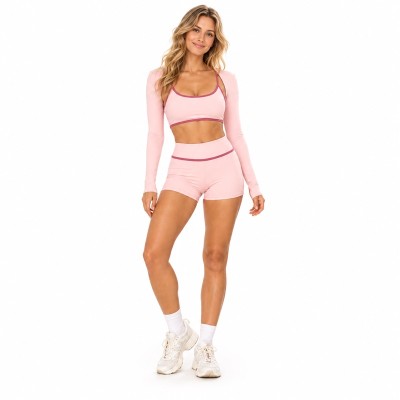
For women, the key to dressing for hot yoga is finding a balance between support, coverage, and breathability. The goal is to feel secure and comfortable while wearing as little as necessary to stay cool. This usually translates to a combination of a supportive sports bra and high-performance leggings or shorts.
Top Choices: Sports Bras and Tanks
When it comes to tops, you have two primary options: a sports bra on its own or paired with a lightweight, moisture-wicking tank or crop top. The intense heat of the studio makes many women feel comfortable practicing in just a sports bra to maximize coolness.
Supportive Sports Bras for Every Pose
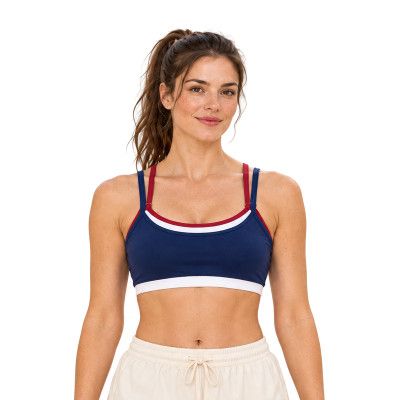
A regular underwire bra has no place in a hot yoga class. You need a dedicated sports bra designed for movement and sweat. Since yoga is a low-to-medium impact activity, you can prioritize comfort and flexibility over the rigid support needed for high-impact sports like running.
Here's what to look for:
- Fabric: The bra should be made from the same moisture-wicking and quick-drying materials as the rest of your outfit—polyester or nylon blends are ideal. Avoid cotton at all costs, as it will become a soggy, uncomfortable mess.
- Support Level: A low-to-medium impact bra is usually sufficient for yoga. It offers enough support to keep everything in place during inversions without constricting your ribcage, which is crucial for deep breathing (pranayama). Women with larger busts, however, might prefer the security of a medium-to-high support bra even for low-impact activities.
- Comfort and Fit: The band should be snug but not tight; you should be able to fit two fingers underneath it. Straps shouldn't dig into your shoulders. Look for soft seams and minimal hardware (like clasps or zippers) that could press into your skin when lying on your back or stomach.
- Style: Choose a style that makes you feel confident. Options range from simple racerbacks to intricate strappy designs. A longline sports bra can offer a bit more coverage, functioning almost like a crop top. Finding the perfect Custom yoga bra can ensure an ideal fit and style that is perfectly tailored to your body and practice needs.
Breathable Tank Tops and Crop Tops
If you prefer a bit more coverage than just a sports bra, a technical tank top or crop top is an excellent choice. The key is to ensure it doesn't compromise your coolness or freedom of movement.
Look for tops with these features:
- Ultralight and Breathable Fabric: The material should be feather-light and made from the same high-performance synthetic blends recommended for all hot yoga wear. Look for features like body-mapped ventilation or mesh panels in high-sweat areas (like the back and underarms) to maximize airflow.
- Fit: Choose a top that is fitted or has a built-in shelf bra or a banded hem. This prevents the shirt from riding up during inversions. A popular option is a stylish crop top, which provides coverage while still allowing for maximum ventilation.
- Cut and Style: Racerback, T-back, and keyhole designs not only add a stylistic flair but also allow for a greater range of motion in the shoulders and upper back compared to standard t-shirt cuts.
Many practitioners find that a lightweight, fitted crop top offers the perfect compromise, providing modest coverage for the torso while keeping the midsection free for ventilation and to observe muscle engagement.
Bottom Selections: Leggings vs. Shorts
The choice between leggings and shorts is largely personal, with valid arguments for both. Your decision will likely depend on your comfort level with coverage, your personal sweat patterns, and the types of poses you find most challenging.
Lightweight and Opaque Yoga Leggings
Despite the heat, full-length or capri-length leggings are an extremely popular and practical choice for hot yoga. They offer a unique set of benefits that many practitioners find outweigh the idea of exposing more skin to the air.
Advantages of wearing leggings:
- Sweat Absorption: High-quality, moisture-wicking leggings will pull sweat off your legs, which can surprisingly make you feel drier and prevent your mat from becoming a slip 'n' slide.
- Superior Grip: As mentioned earlier, the fabric of leggings provides a better grip for arm-balance poses like Crow or side-angle poses that involve a bind. Trying to rest a sweaty arm on a sweaty leg is much more difficult.
- Muscle Support: The gentle compression offered by many yoga leggings can feel supportive to the muscles, potentially reducing fatigue and increasing body awareness.
- Full Coverage: Leggings provide complete coverage, which can boost confidence and eliminate any worries about shorts riding up or revealing too much during wide-legged stances or inversions.
When choosing leggings for hot yoga, two factors are non-negotiable:
- Lightweight Material: Opt for the most lightweight, "second-skin" or "naked-feel" fabrics available. Many brands have specific lines designed for hot yoga that are ultra-thin yet durable. Materials made from recycled synthetics are often surprisingly breathable and quick-drying.
- Opacity (Squat-Proof): This is critical. The combination of intense studio lighting, deep stretches, and sweat can make a flimsy pair of leggings see-through. Always choose leggings that are advertised as "squat-proof" or fully opaque. It's often wise to test them in good lighting with a deep forward fold before heading to class. A quality, high-density knit fabric will remain opaque no matter how much you stretch.
Ventilated Yoga Shorts with Proper Coverage
For those who prioritize staying as cool as possible, shorts are the obvious choice. They offer maximum ventilation and a feeling of freedom. However, not all shorts are created equal, and choosing the right pair is key to avoiding mid-class distractions.
Critical features for hot yoga shorts include:
- Style and Fit: The most popular and functional style is a form-fitting "biker" or "booty" short made from a stretchy, compressive material. This snug fit prevents the shorts from riding up or getting in the way. Avoid loose, running-style shorts, as they will likely fly up during inversions and may not provide adequate coverage.
- Inseam and Coverage: Inseam length is a matter of personal preference, typically ranging from 2 to 8 inches. A 3-5 inch inseam generally provides enough coverage for forward folds and wide stances without feeling too long in the heat. A high-waisted design is highly recommended as it offers core support and ensures the shorts stay securely in place.
- Stay-Put Hems: The number one complaint about shorts is that a poor-fitting pair will ride up on the thighs. Look for shorts with features designed to prevent this, such as a slightly compressive fit, a well-constructed hem, or even subtle silicone grippers on the inside of the leg opening.
- Gusseted Crotch: As with leggings, a gusset (a diamond-shaped fabric insert) is a sign of a well-made pair of shorts. It provides greater durability and range of motion, and helps prevent the dreaded "camel toe."
Ultimately, the best test is movement. Before committing to a pair of shorts, try a few squats and forward folds at home to ensure they provide the coverage and security you need to practice with confidence.
Color Psychology: Inspiring Your Practice
While fabric and fit are functional necessities, the color of your yoga wear can have a surprising impact on your mood and motivation. Color psychology suggests that different hues can evoke specific emotional and physiological responses. Choosing a color that aligns with your intention for your practice can be a powerful, subtle tool.
For Calmness and Focus: If your goal is a meditative, focused practice, consider calming colors.
- Blue: Associated with tranquility, focus, and serenity. Wearing blue may help calm the mind and reduce anxiety, making it ideal for a steady, mindful flow.
- Green: The color of nature, balance, and harmony. Green can help you feel grounded and refreshed.
- Purple/Lavender: Often linked to spirituality, intuition, and luxury, purple can inspire a deeper, more introspective practice.
For Energy and Vitality: If you need a boost for a powerful vinyasa class, vibrant colors can help.
- Red: A high-energy color associated with passion, strength, and power. It can elevate heart rate and may make you feel more energized.
- Orange: Combining the energy of red with the happiness of yellow, orange is motivating, enthusiastic, and creative.
- Yellow: The color of happiness, optimism, and positivity. A splash of yellow can lift your spirits and bring a sense of joy to your mat.
For Confidence and Power: Sometimes, the goal is simply to feel strong and capable.
- Black: A classic for a reason. Black is associated with power, elegance, and authority. It's also practical, as it hides sweat marks better than any other color.
- Dark Neutral Tones: Shades like charcoal, navy, and deep maroon can also evoke a sense of strength and confidence without being as bold as bright red.
Of course, the most important factor is wearing what makes you feel good. If a bright pink set makes you excited to get to class, that's the perfect color for you. Your custom yoga wear can be a form of self-expression, so don't be afraid to choose prints and colors that reflect your personality and inspire you to move.
Specifics for Him: What to Wear to Hot Yoga for Men
For men, the principles of dressing for hot yoga are the same: prioritize moisture-wicking fabrics, a functional fit, and comfort. The common uniform consists of performance shorts, with the choice of wearing a technical shirt or going shirtless.
Upper Body Options: From Bare to Breathable
The intense heat means many men opt to practice shirtless to stay as cool as possible. This is widely accepted in most hot yoga studios. However, if you prefer to wear a top or if the studio requires it, choosing the right one is essential.
Performance T-Shirts and Tank Tops
Just like for women, the golden rule for men's tops is to ditch the cotton. A standard cotton t-shirt will become a heavy, sweat-soaked burden that clings uncomfortably and hinders movement.
Instead, look for shirts or tanks specifically designed for high-sweat activities. Key features include:
- Advanced Fabrics: Seek out lightweight, quick-drying synthetic materials like polyester and nylon. Many brands have proprietary fabrics with names like Dri-FIT or Metal Vent Tech, which are engineered for maximum breathability and sweat-wicking. Some of these fabrics even have anti-stink technology, a definite plus for hot yoga.
- Fit and Cut: A loose-fitting top can be problematic as it will fall over your head during inversions like Downward-Facing Dog. A better option is a shirt that has a classic or athletic cut that skims the body without being overly tight or restrictive. This allows for airflow while still staying mostly in place.
- Sleeveless for the Win: A tank top is an excellent choice as it provides maximum freedom of movement for the shoulders and arms, which is crucial for the full expression of many yoga poses. It also offers more ventilation than a t-shirt. Designs with larger armholes can further enhance airflow and comfort.
Even the best performance shirt will get drenched in a hot yoga class. However, unlike cotton, it won't become heavy and will dry much faster, keeping you more comfortable throughout your practice and on the way home.
Lower Body Choices: Shorts for Comfort and Mobility
For men, shorts are the undisputed champion for hot yoga bottoms. They provide the ventilation needed to endure the heat while allowing for a complete range of motion.
Compression Shorts and Lightweight Athletic Shorts
Not just any pair of gym shorts will do. The fluid, often inverted, movements of yoga require specific features to ensure comfort and proper coverage.
There are two main routes to go:
Lightweight Athletic Shorts with a Built-in Liner: This is a very popular choice. These shorts typically feature a loose or semi-fitted outer layer made of a quick-drying polyester blend and a snug, supportive inner liner that provides coverage and compression. The liner acts like a built-in pair of compression shorts, keeping everything in place and preventing chafing. Look for options with four-way stretch fabric for unrestricted movement and a secure waistband, often with a drawstring for an adjustable fit.
Compression Shorts: For those who prioritize muscle support and a 'no-distractions' fit, a simple pair of mid-thigh to knee-length compression shorts is an excellent option. Made from nylon-spandex or polyester-spandex blends, these fit like a second skin. They provide maximum freedom of movement, wick sweat effectively, and ensure there is no loose fabric to get in the way. Some men wear them alone, while others prefer to layer a pair of lightweight, unlined athletic shorts over them for more coverage and style.
Regardless of the style you choose, ensure the shorts are made from moisture-wicking technical fabrics. A secure waistband is crucial to prevent them from slipping down when you're sweaty. An inseam that hits at the mid-thigh or just above the knee is generally a good length to provide coverage without excess fabric.
Beyond Clothing: Essential Gear for Your Hot Yoga Session
The right outfit is the first step, but a few key accessories can dramatically improve your comfort and performance in the hot room. From ensuring a stable, slip-free practice to staying adequately hydrated, this gear is just as important as what you wear.
Must-Have Accessories for a Successful Practice
These items are considered essentials by most seasoned hot yoga practitioners. They help you manage the intense sweat and maintain focus, stability, and hygiene during and after your class.
The Right Yoga Mat and Towel Combo
Sweat makes a standard yoga mat incredibly slippery and dangerous. In a hot yoga class, you have two primary solutions to ensure you have a stable and safe foundation for your practice.
Option 1: A Non-Slip Hot Yoga Mat Some modern yoga mats are specifically engineered for hot and sweaty conditions. These mats typically feature a top layer made of a moisture-wicking, grippy material that often becomes more slip-resistant as it gets damp.
- Materials to Look For: Look for mats with a polyurethane (PU) top layer, natural rubber, or cork. Natural rubber provides excellent grip, while cork is naturally antimicrobial and also has great traction when wet.
- Pros: This is an all-in-one solution. You don't need to carry an extra towel, and the surface is designed for optimal grip from the start.
- Cons: These high-performance mats can be more expensive and may be heavier than standard mats.
Option 2: A Standard Mat with a Yoga Towel This is the most common and versatile solution. You place a highly-absorbent, mat-sized towel over your regular yoga mat.
- Yoga Towel Features: A good yoga towel is made from a super-absorbent microfiber material. Many are designed with silicone nubs or a special web-grip pattern on the underside to keep them from bunching up or sliding on top of your mat.
- How it Works: The microfiber surface absorbs sweat, keeping your mat dry and providing a grippy surface for your hands and feet. Paradoxically, most yoga towels become grippier the wetter they get. Many yogis will lightly spray the areas under their hands and feet with water at the beginning of class to activate the grip before they start sweating.
- Pros: This is a hygienic option, as you can easily wash the towel after every class. It's often more affordable than buying a dedicated hot yoga mat and allows you to use your favorite standard mat.
- Hand Towel: In addition to a mat towel, bringing a smaller yoga hand towel is highly recommended. You can use it to wipe sweat from your face, neck, and arms so it doesn't drip into your eyes or onto your mat.
Hydration Helpers: Water Bottles and Wipes
Staying hydrated and managing hygiene are critical for a positive hot yoga experience.
- Water Bottles: You can lose a significant amount of fluid—up to two liters—during a single hot yoga session. Proper hydration is non-negotiable for preventing dizziness, cramping, and fatigue. Bring a large, reusable water bottle and sip from it during designated breaks in the class. An insulated stainless steel bottle is an excellent choice as it will keep your water refreshingly cold throughout the entire heated class. Models from brands like Yeti, Hydro Flask, and Owala are popular choices for their durability and superior insulation.
- Post-Class Wipes: Showering as soon as possible after class is ideal for washing away sweat and bacteria that can clog pores. If you can't shower immediately, having cleansing body wipes in your bag is a great solution. Look for gentle, biodegradable wipes infused with soothing natural ingredients like aloe, tea tree oil, or peppermint. These can provide an instant refresh, cool down your skin, and remove sweat, dirt, and odor until you can get to a proper shower. Some yogis prefer micellar water wipes for their face, as they are gentle and effective at removing grime without stripping the skin.
Pre and Post-Class Tips for a Smooth Experience
Your preparation for hot yoga doesn't start when you unroll your mat—it begins hours before. Likewise, caring for yourself after class is just as important for recovery and overall well-being.
Hydration and Light Meals Before Class
Going into a hot yoga class dehydrated is a recipe for a miserable, and potentially unsafe, experience. Proper fueling is equally important.
Hydration:
- Start Early: Don't wait until right before class to chug water. Begin hydrating consistently hours, or even the day, before your session. A good rule of thumb is to drink about 16-20 ounces of water in the two hours leading up to class.
- Electrolytes are Key: You lose essential minerals like sodium and potassium through sweat. Consider adding an electrolyte powder to your water or drinking coconut water before class to help your body retain fluid and prevent cramps.
- Avoid Caffeine and Alcohol: Both are diuretics and can contribute to dehydration, so it's best to avoid them for several hours before class.
Fueling:
- Timing is Everything: Practicing on a full stomach is extremely uncomfortable, especially with deep twists and inversions. Aim to eat your last substantial meal at least 2-3 hours before class.
- Keep it Light: Avoid heavy, greasy, or high-fiber foods that are slow to digest. A large, rich meal can lead to nausea and sluggishness in the heat.
- Focus on Smart Snacks: If you need a small energy boost closer to class time (30-90 minutes prior), opt for something light and easily digestible. A banana, a handful of berries, a few dates, or a small protein smoothie are excellent choices. These provide a quick source of energy without weighing you down.
Post-Class Care: Showering and Changing
The bliss of Savasana shouldn't be immediately followed by the discomfort of sitting in cold, wet clothes. Proper post-class care is essential for both hygiene and recovery.
- Shower ASAP: Showering as soon as you can after class is the best way to wash away the sweat, toxins, and bacteria that have accumulated on your skin. The heat of the class opens your pores, and a quick shower helps cleanse them before they close back up, which can prevent breakouts and skin irritation. Start with a lukewarm shower and gradually cool the temperature down, as a shocking-cold or steaming-hot shower right after class can be a jolt to the system.
- Change Immediately: If a shower isn't an option, the next best thing is to change out of your sweaty yoga clothes immediately. Lingering in damp, bacteria-laden fabric is not only uncomfortable but can also lead to skin issues. Pack a complete change of clothes, including fresh underwear and a top.
- Skincare: After class, your skin can be sensitive. It's best to use a gentle, natural body wash. After showering, applying a lightweight moisturizer is a good way to rehydrate the skin without clogging the freshly cleaned pores.
- Laundry: Don't let your wet clothes fester in your gym bag. This creates a breeding ground for mildew and stubborn odors. At a minimum, take your clothes out to air dry as soon as you get home. It's even better to rinse them out in the sink or even in the shower with you. Wash them as soon as possible in cold water and avoid fabric softener, which can damage technical fabrics and trap odors.
Common Mistakes to Avoid: What Not to Wear to Hot Yoga
Just as important as knowing what to wear is knowing what not to wear. Making the wrong clothing choice can turn a potentially blissful practice into an hour of distraction, discomfort, and even danger. Avoiding these common pitfalls will set you up for success.
Fabrics That Hold You Back: The No-Go List
This has been mentioned before, but it bears repeating as the single most important rule: do not wear cotton. Any clothing made from 100% cotton will absorb your sweat, become heavy, and cling to your skin, making you hotter and restricting your movement. This applies to everything from your top and bottoms to your underwear and socks (which you shouldn't wear to yoga anyway).
Beyond cotton, be wary of other non-performance fabrics, such as:
- Thick Knits or Fleece: These are designed to trap heat, which is the last thing you need in a room that's over 95°F.
- Most Rayon or Modal: While soft, these semi-synthetic fabrics often do not have the moisture-wicking properties of true performance synthetics and can become heavy and lose their shape when wet.
- Heavyweight Fabrics: Any material that feels thick or heavy to the touch will only feel heavier once it's soaked with sweat. Prioritize fabrics that feel airy and lightweight from the start.
Styles That Hinder Your Practice: Loose and Cumbersome Attire
Beyond fabric choice, the style and fit of your clothes can become a significant problem if not chosen carefully. For hot yoga, anything loose or baggy is generally a mistake.
Here’s what to steer clear of:
- Loose T-shirts and Tanks: A baggy shirt will inevitably fall over your face a dozen times during class, blinding you in Downward Dog and forcing you to constantly adjust. This is a major distraction that breaks your focus and flow.
- Baggy or Flared Pants: Standard baggy sweatpants or wide-leg/flared yoga pants can be a hazard. They can get tangled in your feet during transitions, and the excess fabric will become heavy and sodden with sweat.
- Standard Running Shorts (Unlined): Traditional loose running shorts offer no coverage security. They will ride up during inversions and wide-legged poses, leaving you feeling exposed.
Properly fitted attire allows both you and your instructor to check your alignment, which is crucial for safety and progress. Ill-fitting or overly cumbersome clothing not only gets in your own way but can also prevent a teacher from seeing if you are in a potentially injurious position. Investing in well-fitted custom yoga wear designed for performance ensures that your clothes support your practice instead of hindering it.
Key Takeaways
Navigating the world of hot yoga apparel can seem complex, but it boils down to a few core principles focused on managing heat, sweat, and movement. By internalizing these key takeaways, you can build a functional and comfortable wardrobe that empowers you to get the most out of every heated session. Remember, your clothing is a tool for your practice—it should support you, not distract you.
1. Fabric is Non-Negotiable: Prioritize Performance Materials The single most critical decision is choosing the right fabric. In the intense heat and humidity of a hot yoga studio, some materials work with your body while others work against it.
- Embrace Synthetics: Your best friends are moisture-wicking, quick-drying fabrics like polyester, nylon, and spandex blends. These technical materials are hydrophobic, meaning they pull sweat away from your skin to the fabric's surface where it can evaporate. This keeps you cooler, lighter, and prevents the slick, slippery feeling that can be dangerous in certain poses.
- Avoid Cotton at All Costs: Cotton is hydrophilic; it absorbs and holds onto moisture. A cotton t-shirt or leggings will become a heavy, soggy, and restrictive mess within minutes. It traps heat, chafes skin, and loses its shape, making it the worst possible choice for a hot and sweaty environment.
2. Fit for Function: Snug and Stretchy is Superior How your clothes fit is just as important as what they are made of. The dynamic, multi-directional movements of yoga require a specific fit to ensure safety and focus.
- Choose Form-Fitting Styles: Snug, body-hugging apparel is the gold standard for hot yoga. It stays in place during inversions (no shirt falling over your head) and allows you and your instructor to monitor your alignment. This is crucial for preventing injury and ensuring you're engaging the correct muscles.
- Insist on Four-Way Stretch: Don't settle for anything less than four-way stretch. This quality, typically provided by elastane or spandex, allows the fabric to move with you in every direction—horizontally and vertically. It ensures you can flow through every lunge, twist, and bind without ever feeling restricted by your clothing.
3. Coverage is a Balance: Less is More (But Opacity is Key) While the heat encourages minimal clothing, your choices should still prioritize comfort and confidence.
- For Women: A supportive, low-to-medium impact sports bra made from wicking material is essential. This can be worn alone or with a lightweight, fitted crop top or tank. For bottoms, choose between lightweight, fully opaque leggings that offer grip for arm balances, or well-fitted biker shorts with a high waist that won't ride up.
- For Men: Many men opt to go shirtless for maximum cooling. If you wear a top, it must be a moisture-wicking, fitted performance tank or tee. For bottoms, the best options are either dedicated yoga shorts with a supportive built-in liner or a pair of compression shorts worn alone or under lightweight athletic shorts.
4. Gear Up for Success: The Right Accessories are Essential Your apparel is only part of the equation. A few key accessories are non-negotiable for a safe and pleasant practice.
- Mat and Towel are a System: A standard yoga mat will become dangerously slippery. You need either a dedicated non-slip hot yoga mat (made of cork, rubber, or PU) or, more commonly, a mat-sized, super-absorbent microfiber yoga towel to lay over your mat. This towel will absorb sweat and provide the grip you need. A separate hand towel is also crucial for wiping your face and arms.
- Hydrate Before, During, and After: You can lose a tremendous amount of fluid and electrolytes. Start hydrating hours before class, bring a large, insulated water bottle for sips during class, and rehydrate thoroughly afterward, ideally with an electrolyte-replenishing drink like coconut water.
By focusing on these essential elements—fabric, fit, coverage, and gear—you eliminate potential distractions and discomfort, allowing you to turn your full attention inward and embrace the powerful, transformative experience of hot yoga.
Frequently Asked Questions (FAQs)
1. Are special "hot yoga" clothes really necessary, or can I just wear regular gym clothes?
While you might be able to get by in some regular gym clothes, apparel specifically designed for hot yoga offers significant advantages. The primary difference is the fabric's ability to handle extreme sweat. Hot yoga clothes are typically made from ultralight, highly breathable, and exceptionally fast-drying synthetic blends. Standard gym clothes, while often moisture-wicking, may be of a heavier weight that can still feel cumbersome when completely saturated. Furthermore, garments labeled for hot yoga are designed with features like minimal seams to prevent chafing and superior "stay-put" fits that are tested for inversions and deep stretches. Investing in at least one dedicated hot yoga outfit can make a world of difference in your comfort and focus.
2. Is it better to wear shorts or leggings to hot yoga?
This is one of the most common questions, and the answer is truly personal preference.
- Leggings: Many practitioners favor full-length or capri leggings, even in the heat. The fabric provides a grippy surface that is invaluable for arm balances (like Crow Pose) and binds where sweaty skin-on-skin contact would cause slipping. They also absorb sweat from your legs, which can help keep your mat area drier.
- Shorts: Shorts offer the most ventilation and can feel cooler. The best choice is a form-fitting "biker" style short with a high waistband and an inseam of 3-8 inches. This style prevents the legs from riding up and provides secure coverage. If you're new, you might want to try both to see what makes you feel most confident and comfortable.
3. How do I prevent my leggings from being see-through when I sweat and stretch?
This is a valid and important concern. "Squat-proof" is the keyword you're looking for. See-through issues typically stem from two problems: poor fabric quality or an improper fit.
- Fabric Quality: Choose leggings made from a high-quality, dense knit. Thinner, cheaper fabrics are more likely to become transparent when stretched. Look for brands that specifically advertise their leggings as opaque or squat-proof.
- Fit: Leggings that are too small will be overstretched, which can cause the fabric to become sheer. Make sure you are wearing the correct size.
- Color: Darker, solid colors (like black, navy, or deep green) are inherently less likely to show through than light colors or busy patterns.
- Test Them: Before wearing a new pair to class, do a "squat test" at home in front of a mirror with bright lighting to ensure you have full, confident coverage.
4. How many times can I wear my hot yoga outfit before washing it?
Just once. There are no exceptions to this rule. Your clothes will be completely drenched in sweat, which is a breeding ground for bacteria that causes odor, skin irritation, and potential infections. Even if the clothes dry and don't seem to smell, the bacteria are still there and will be reactivated by the heat and sweat of your next class. For hygiene and the longevity of your gear, wash your hot yoga clothes after every single use. If you can't wash them immediately, at least rinse them out with cool water and let them air dry completely before putting them in the hamper.
5. Is it okay to practice barefoot? Do I need special yoga socks?
Yes, it is not only okay but highly recommended to practice hot yoga barefoot. Your feet have intricate muscles and nerve endings that help you grip the mat and maintain balance. A direct connection between your feet and your mat (or mat towel) provides the best feedback and stability. Special yoga socks with grips on the bottom do exist, but most practitioners and instructors will recommend going barefoot for the best proprioceptive experience. Regular socks should absolutely be avoided as they will become soaked and create a dangerous, slippery surface.
6. I've seen people go topless in hot yoga. Is that acceptable for men and women?
This depends on the specific studio's culture and rules.
- For Men: It is very common and almost universally accepted for men to practice shirtless in hot yoga to stay cool.
- For Women: It is also very common for women to practice in just a sports bra and bottoms. However, going completely topless is generally not permitted in most public co-ed yoga classes. Some studios may host specific workshops or women-only classes where this might be acceptable. Always check the studio's etiquette guidelines or ask the staff if you are unsure. The standard, accepted "topless" for women in this context means wearing a supportive sports bra.
By choosing the right attire and preparing appropriately, you can significantly enhance your hot yoga experience, ensuring both comfort and the ability to achieve peak performance. The conscious choices we make about what to wear directly impact our capacity to fully engage with our practice, manage the challenging environment, and reap all the benefits hot yoga has to offer. Remember that the journey is about finding what works best for your unique body and needs.
Ultimately, the best approach to what to wear to hot yoga is one that prioritizes your personal comfort, allows for completely unrestricted movement, and helps you manage the intense heat effectively. Let go of any self-consciousness, embrace the sweat as a sign of your hard work and detoxification, and enjoy the incredible journey of your practice!
For those looking to perfect their yoga wardrobe with pieces that are as unique as their practice, consider designing your apparel with bloomto. We offer a full range of custom yoga sportswear, from supportive sports bras and versatile tops to perfectly-fitted leggings and shorts. Our commitment to quality materials and expert craftsmanship ensures your gear will support you through your sweatiest and most demanding sessions. Elevate your practice with apparel made just for you.