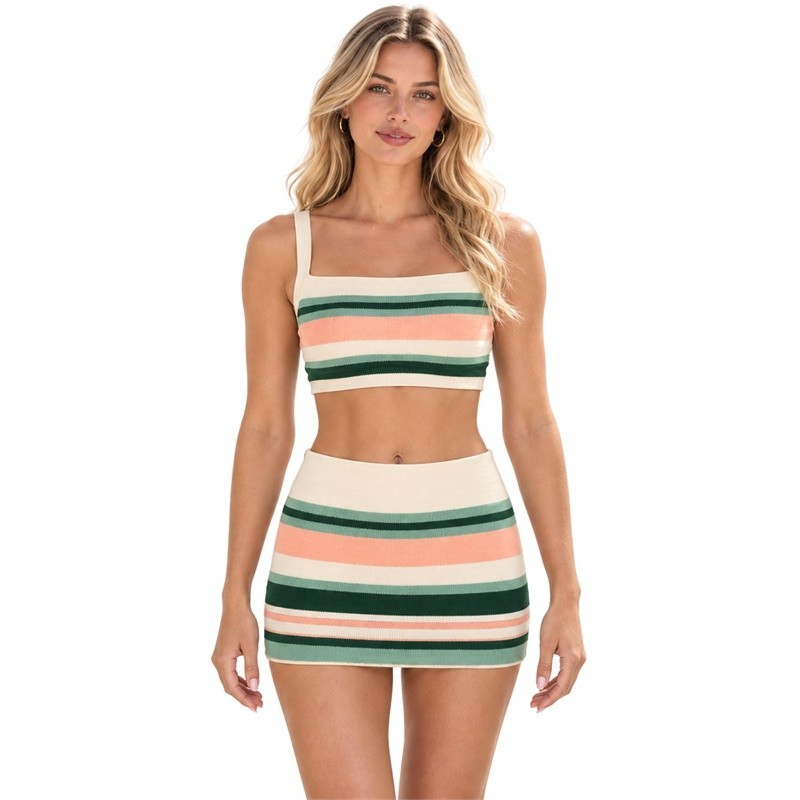
How to Develop High-Performance Activewear for Strength Training: Fabric, Fit and Function
QUICK ANSWER
What should you look for in activewear for strength training?
Choose activewear that stays opaque during a deep squat, holds its shape after repeated movement, and keeps the waistband in place without restricting bracing. Leggings need stretch recovery, a stable waist and a gusset that allows full hip movement. A lifting sports bra should secure the bust while allowing comfortable breathing and overhead reach. Judge these features on a correctly sized, washed sample—not by softness or fabric weight alone.
- Fabric: check opacity under stretch and recovery after repeated wear and washing.
- Fit: test squats, lunges and deadlifts for waistband roll, crotch pull and seam strain.
- Support: assess the bra underband, straps and cups during rows and overhead presses.
Weightlifting, powerlifting, barbell training and compound movements like back squats, lunges and deadlifts expose activewear to far higher mechanical stress than yoga or low-impact mobility work. Brands such as FLEO and FORM have built loyal audiences by prioritizing lifting performance, locked-in fit and reliable squat-proof construction, rather than soft, buttery handfeel alone.
As an experienced activewear manufacturer, Bloomto works with emerging and established strength apparel brands to translate lifters’ real pain points into repeatable, manufacturable designs. In this guide, we break down the core differences between strength training activewear and standard yoga wear, plus the fabric, waistband, seam, gusset and sports bra decisions that define high-performance strength training leggings.
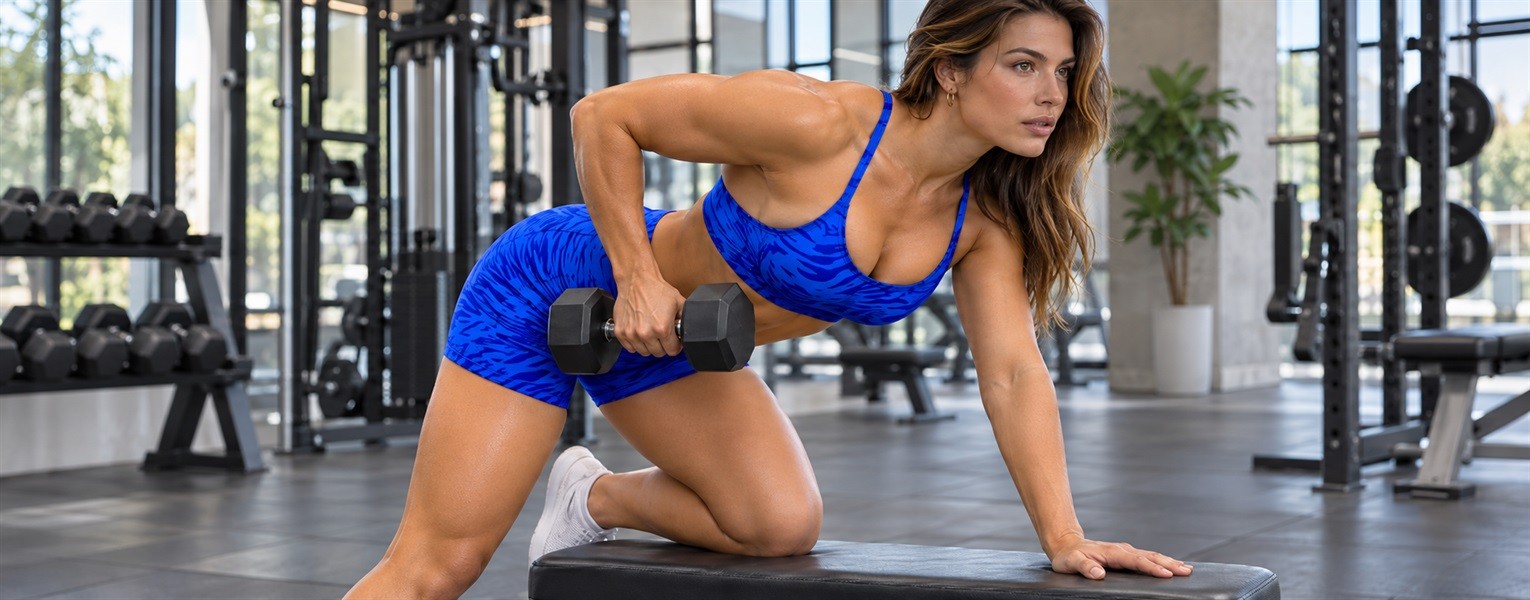
Strength Training Activewear vs Regular Yoga Wear: The Core Design Gap
Many buyers assume yoga leggings can double for lifting, but the performance requirements diverge sharply at the engineering level.
Yoga leggings are designed for slow, controlled stretching, inversion, floor poses and all-day comfort. Their priority is soft handfeel, unrestricted 4-way stretch and gentle drape. Compression is light to moderate; opacity is often only tested at rest, not under deep hip flexion. Waistbands are wide and comfortable, but rarely engineered to resist rolling under heavy bracing and intra-abdominal pressure during a max lift.
Strength training leggings, by contrast, are built for repeated high-tension movement: deep squat, walking lunge, Romanian deadlift, hip thrust, and loaded carries. The design targets four non-negotiables:
- Targeted muscle compression to reduce muscle oscillation under load
- Consistent opacity when stretched to full hip depth (squat-proof)
- Waistband anchoring that stays locked during core bracing
- Reinforced seams and gusset geometry that avoids crotch pull, ride-up and seam failure
FLEO’s signature fit is a great reference: they lean into structured compression, contour glute mapping and robust waistband construction for lifters. FORM similarly balances athletic support with versatile gym-to-street wear, avoiding the overly soft, low-structure fabrics common in yoga lines.
For activewear manufacturers and brand founders, this is the first critical gate: do not simply upgrade a yoga fabric; rebuild the pattern, tension mapping and stretch recovery for lifting mechanics.
Swipe across the table to compare all columns.
| Design consideration | Yoga-focused priorities | Strength training priorities |
|---|---|---|
| Fabric feel and stretch | Soft handfeel and comfortable movement through sustained poses. | Stretch with recovery and a supportive feel through repeated loaded movement. |
| Coverage | Coverage through bends, stretches and inversions. | Opacity at deep squat depth, checked across colors and sizes. |
| Waistband | Comfort during flexion, floor work and longer wear. | Anchoring during bracing, with a contoured fit and suitable internal support. |
| Seams and gusset | Low-friction seams and unrestricted mobility. | Movement allowance through the hips and crotch, plus seams that tolerate repeated tension. |
| Sample approval | Check a representative yoga movement sequence. | Check squats, lunges, deadlifts and repeated wear, then reassess after washing. |
These are development priorities, not fixed product categories. A well-developed garment may suit both activities if it passes the relevant fit and wear checks.
Use custom yoga leggings as a starting point for silhouette and construction references, then define the additional lifting tests in your brief. For pattern, waistband and gusset development, review the custom leggings manufacturer solutions.
Fabric Selection for Strength Training Leggings: Compression, Recovery and Opacity
Fabric is the foundation of high performance activewear for strength training. Three metrics govern the spec sheet: compression profile, elastic recovery and opacity under tension.
Compression: Not Just “Tight”
Strength training fabric uses controlled, gradient compression, not uniform tightness. The ideal blend is typically high-tenacity nylon + spandex (elastane), calibrated to hold quads, hamstrings and glutes steady without restricting hip flexion.
Too soft, low-spandex yoga fabrics stretch out permanently after repeated squats: they lose shape, slide, and become baggy at knees and glutes. Overly stiff compression fabrics limit depth in ATG (ass-to-grass) squats and create pressure points on hip bones.
For the strength training leggings discussed here, 220–280 GSM is a starting range for fabric sampling. Confirm the final weight, composition and recovery requirements against the intended fit and use. A recovery percentage is meaningful only when the test direction, load or extension, cycles and recovery interval are defined; approve the material using comparable results and garment wear tests.
Swipe across the table to compare all columns.
| Specification | What to define in the tech pack | What to check before approval |
|---|---|---|
| Fabric weight (GSM) | Use the article’s 220–280 GSM range as a sampling starting point; record the selected weight and tolerance. | Measure the actual fabric and assess coverage on the finished garment. GSM alone does not prove opacity. |
| Composition and knit | Record fiber percentages, knit construction, finish and color for each fabric option. | Compare actual swatches and garments rather than relying on a nylon or spandex percentage alone. |
| Stretch and recovery | Specify fabric direction, extension or load, number of cycles, recovery time and the agreed acceptance limit. | Request results using the same method before and after the agreed wash sequence. |
| Squat-proof opacity | Agree on lighting, garment size, stretch position, colorways and an approval reference. | Check the seat and thigh areas at deep squat depth; repeat with light colors and after washing. |
| Waistband and gusset | Define waistband height, contour, support layers, gusset shape and key measurement tolerances. | Record roll-down, slipping, pressure and crotch pull during repeated squats and lunges. |
| Seam and wash performance | Identify high-strain seams and agree on care instructions, wash cycles and appearance limits. | Check for seam opening, broken stitches, pilling, color change and loss of shape. |
| Sports bra support | Define underband fit, strap adjustment, cup or lining construction and intended support level. | Check cup containment, band movement and comfortable breathing during presses and rows. |
Set pass/fail limits with the fabric supplier and testing laboratory for the actual product. An undefined recovery percentage is not a complete performance specification.
For the specification behind the sample, see activewear fabric specifications: GSM, stretch and recovery and the sportswear fabric R&D capabilities used to assess material options.
Squat-Proof Opacity: The Stretch Test, Not The Flat Test
This is the most frequent complaint from lifters: leggings look opaque hanging on the rack, but turn sheer the second the hips fold deep in a squat.
Opacity is not only about fabric thickness. It relies on yarn density, knit structure, and the way the fabric locks when stretched. Light colours (white, pale grey, blush) demand tighter knit construction and sometimes double-layer tension zones over glutes and hamstrings. A reliable development protocol includes a standardized squat stretch test, performed on live fit models across multiple body shapes, not just flat table inspection.
For a closer explanation of coverage under stretch, read what squat-proof leggings mean and how to test opacity.
Moisture Management and Durability
Strength training generates concentrated core sweat during heavy bracing. The fabric should wick moisture without turning slippery. Avoid finishes that wash away after 5–10 cycles. For premium strength lines, we also integrate OEKO-TEX, GRS recycled yarn and PFAS-free treatment options for brands targeting eco-conscious weightlifting audiences.
High-Rise Waistband Design: Stability That Does Not Roll
A rolling waistband is the #1 fit failure point for strength training leggings. Lifters brace hard, take deep breaths, and create upward pressure on the waistband during squats and deadlifts. A yoga-style soft wide waistband will roll.
High-performance strength waistband engineering focuses on three layers:
- Internal structural tape or power mesh lining inside the waistband, not just a thicker outer layer
- Curved contour pattern matching the natural waist-to-hip transition, not a straight rectangular cut
- Graduated tension: firmer at the rear waist and softer along the front abdomen to support bracing without digging
FLEO’s waistband benchmark is a good reference point: anchored, high-rise, with rear contour shaping to hold the garment down while the lifter inhales and braces.
A common development mistake: making the waistband taller without adding internal structure. Tall alone does not equal stable. We test waistband performance through repeated squat + breath-hold cycles to validate roll resistance during heavy lifting simulation.
Pattern & Fit: How The Garment Performs In Squats, Lunges and Deadlifts
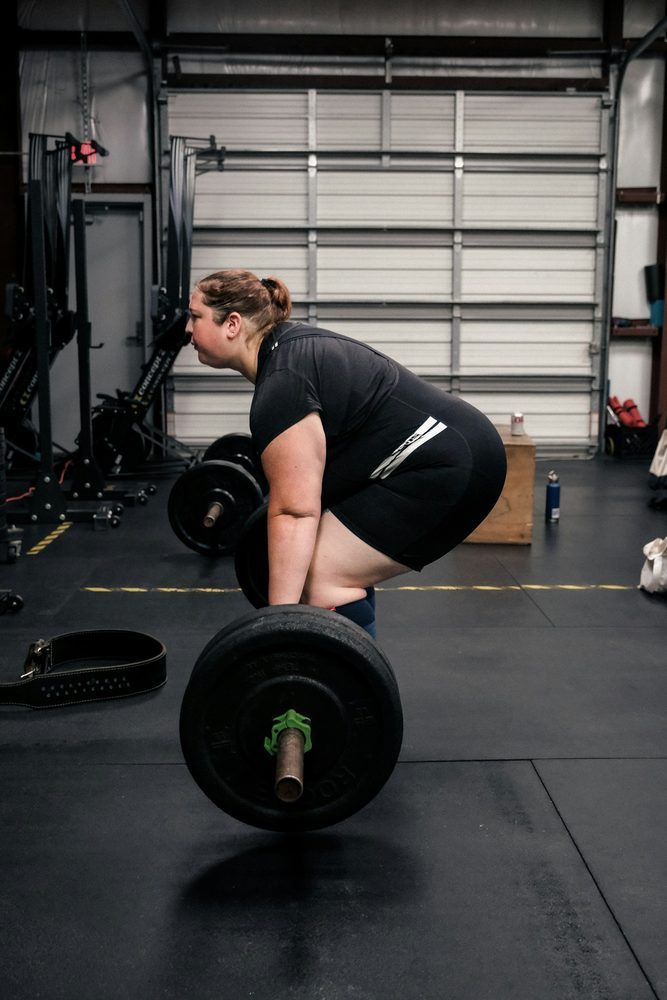
Great fabric fails if the pattern geometry is wrong. For strength training leggings, the gusset, inseam, glute panel and leg taper all change the lifting experience.
Gusset Construction
A diamond or extended ergonomic gusset eliminates the central seam that pulls tight during deep hip flexion. Short, narrow gussets create crotch pull and ride-up in squats and lunges. For strength training, we use a wider, longer gusset with four-way stretch matching the main fabric, so tension distributes evenly rather than concentrating on one seam point.
Glute Contour and Seam Placement
Lifters need seams that support glute expansion, not constrain it. Curved contour seams, V-shaped back yokes and dart mapping follow glute activation rather than flattening the shape. During a hip thrust or back squat, the glutes expand laterally; the pattern must accommodate that expansion without pulling the waistband down.
Lunge and Single-Leg Movement Tolerance
Walking lunges, step-ups and Bulgarian split squats create asymmetric stretch. Many leggings fit well on bilateral squats but twist, ride or bind on single-leg work. During fit sessions at Bloomto, our fit testers log feedback on lateral leg twist, inner thigh friction and knee bunching, then adjust pattern ease on the forward leg zone.
The end goal: the garment stays aligned on the body through full dynamic range, so the lifter focuses on form, not adjusting leggings mid-set.
Developing Strength Training Sports Bras: Support for Loaded Lifting
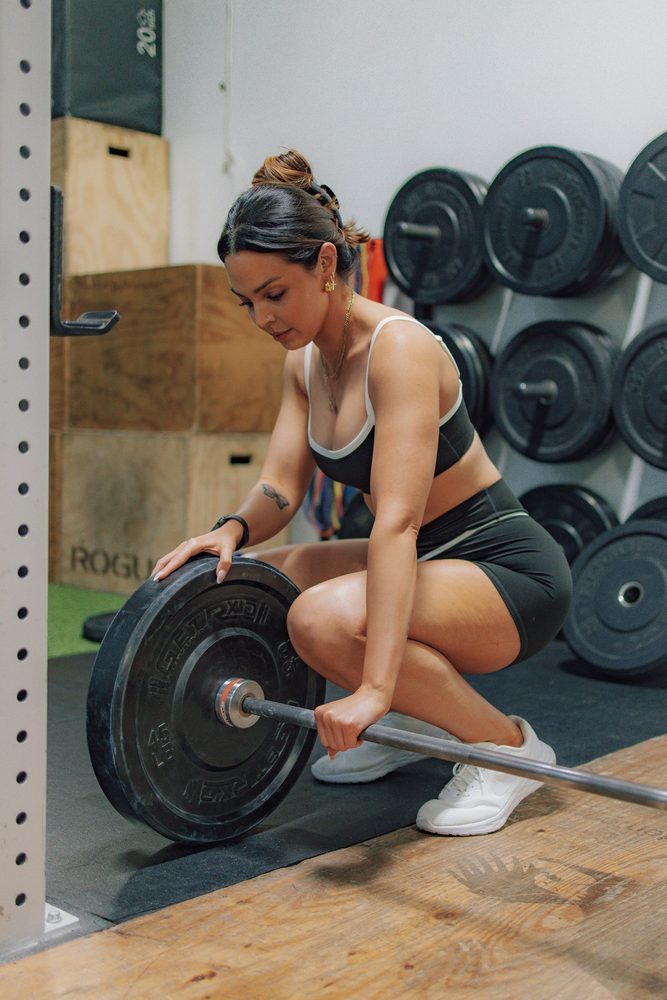
Strength training sports bras are different from high-impact running bras. Lifting involves torso rotation, deep bracing, overhead press, bent-over rows and heavy core tension. Bounce control matters, but so does chest stability, ribcage comfort and unobstructed breathing.
Two Support Models for Strength Training
- Encapsulated cup design (preferred for B+ cups and up): separate molded cups isolate each breast, reduce lateral movement during pressing and rowing, and avoid the uni-compression smash-down feel. This is the direction FORM and many premium lifting brands adopt for versatility.
- Targeted compression bra: simpler, seamless, good for smaller busts and shorter lifting sessions, but less effective for overhead movement and loaded upper-body work.
Critical Construction Details
- A firm, wide underbust band is the primary support anchor; shoulder straps should distribute load, not carry all the support
- Adjustable straps and back hook closures let lifters tune tension between heavy lower-body days and overhead pressing days
- Avoid rigid, restrictive panels across the ribcage — core bracing for squats and deadlifts requires rib expansion
- Sweat-wicking, low-friction lining and shaped padding that does not fold or bunch under repeated torso rotation
Fit testing for strength bras includes overhead press, bent-over row, plank and deep squat, not just standing static check.
Compare custom yoga bras for strap and neckline references, then review custom sports bra manufacturing solutions for support construction. The guide to sports bra support engineering explains how the underband, cups and straps work together.
Bloomto’s Development Workflow for Custom Strength Training Activewear
As an activewear manufacturer specializing in custom ODM/OEM high-performance activewear, we follow a structured workflow for brands building strength training leggings and tops:
- Brand brief: reference fit (FLEO / FORM or other benchmark), target compression, colour palette, certification requirements
- Fabric sampling + stretch recovery + opacity lab pre-test
- First pattern draft, digital tension mapping for squat and hip flexion
- Fit prototype with lifter fit panel, recording squat, lunge, deadlift and overhead press feedback
- Revise waistband, gusset, seam and cup construction
- Wash durability test, colour fastness and compliance check (REACH, Prop 65, OEKO-TEX, GRS on request)
- Pre-production sample approval before bulk
This process is how we help brands avoid the common pitfall: launching leggings that look good on photoshoots but fail in real gym lifting.
If your tech pack is ready, the OEM activewear manufacturer workflow sets out the route from specifications to sample approval. Teams developing their first lifting collection can review custom sportswear solutions for growing brands. For a coordinated bra-and-legging range, use custom yoga sets as collection references and specify the lifting requirements for each garment separately.
Final Thoughts
High performance activewear for strength training is not a styling upgrade of yoga apparel. It is a separate engineering category built around the biomechanics of loaded compound movement. Brands like FLEO and FORM succeed because they design from the lifter outward, not the aesthetic inward.
Strength Training Activewear FAQ
What is the difference between strength training leggings and yoga leggings?
Strength training leggings prioritize stable coverage, stretch recovery and waistband anchoring during loaded movement. Yoga-focused leggings often emphasize softness and comfortable mobility. The categories can overlap; approve the garment against the movements it is intended for.
What does squat proof mean for leggings?
Squat-proof leggings remain opaque across the seat and thighs when the wearer bends into a deep squat. Coverage depends on fit, stretch, knit structure, color and lighting. Check the finished garment in the intended size rather than judging fabric on a flat table.
What GSM is best for strength training leggings?
A 220–280 GSM fabric is a useful starting range for sampling the styles discussed here, not a universal pass requirement. A heavier fabric can still show through, and a lighter fabric may provide suitable coverage. Approve the actual construction and color after stretch and wear checks.
Why do my gym leggings roll down during heavy squats?
Roll-down can result from a mismatch between waistband contour, garment size, fabric recovery and internal support. Increasing waistband height alone may not solve it. Test the correct size during repeated squats and bracing, then adjust the pattern or support construction based on where the waistband folds or slips.
How should a brand specify stretch recovery for lifting leggings?
State the test method, fabric direction, load or extension, repeated cycles and recovery interval, then agree on an acceptance limit. Keep stretch, recovery and residual growth as separate measurements. Compare results under the same conditions and include the agreed wash sequence.
Do strength training sports bras need the same support as running bras?
The required support depends on the wearer, garment fit and training session. For lifting, assess secure containment, underband stability, overhead mobility and comfortable rib expansion. If the session also includes running or jumping, test those movements too; do not choose the bra by activity label alone.
What should I send an activewear manufacturer before sampling?
Send the intended movements, target customer and size range, fabric preferences, colorways, measurements, waistband and gusset details, bra support requirements and branding artwork. Include your opacity, recovery, wash and fit-approval criteria so the supplier can review the brief against one consistent specification.
Can you copy FLEO or FORM fit?
Reference garments can help communicate support, waistband feel and movement requirements. Use those observations to develop an original pattern and your own fit standard, rather than reproducing another brand’s protected design or artwork.
What certification or testing documents should brands request?
Request documents that apply to the selected fabric, supplier, production scope and target market. If recycled content or restricted-substance testing is part of the brief, confirm the relevant certificate or test report, validity and scope before making claims about the finished garment.
Planning strength training leggings or sports bras for your brand? Share your size range, target compression, colorways and sample requirements. Contact Bloomto about custom strength training activewear to discuss fabrics, fit development and the next sampling steps.