
How to Customize Your Own Yoga Wear: A Heat Press Guide
As an avid yoga practitioner and a DIY enthusiast, I have always been captivated by the idea of injecting my personal style into every aspect of my life, including my activewear. Custom yoga wear is more than just a fleeting trend; it is a powerful form of self-expression, allowing you to bring your unique personality to your practice and stand out, whether you’re flowing through a vinyasa in the studio or simply running errands around town.
Heat pressing provides a wonderfully accessible and professional method for customizing yoga apparel, transforming standard garments into bespoke pieces that tell a story. For those already in the customized apparel business, adding heat-transferred designs to yoga pants and other activewear can be a highly profitable expansion. It opens up a diverse world of design possibilities and taps into a lucrative, ever-growing market.
This comprehensive guide will walk you through all the essential steps, considerations, and pro-tips for creating your own stunning and durable custom yoga wear using a heat press. Whether you're a hobbyist or an aspiring entrepreneur, you'll find the knowledge you need to ensure your designs are not only stylish but built to last through every stretch, pose, and wash cycle.
Key Takeaways
Creating your own custom yoga wear is a detailed process where success lies in the specifics. The foundation of a great custom piece is the garment itself; always opt for high-quality synthetic blends like polyester/spandex or nylon/spandex, as these fabrics offer the necessary stretch and durability to withstand both athletic activity and the heat application process. The choice of heat transfer is equally critical. For fabrics with high stretch, specialized transfers like DTF (Direct to Film) or high-stretch HTV (Heat Transfer Vinyl) are essential to prevent the design from cracking or peeling when the material is stretched. Mastering your heat press technique is the final piece of the puzzle. This involves using the correct temperature, pressure, and time settings for your specific fabric and transfer type, as well as employing tools like heat press pillows to ensure even application over seams and uneven surfaces. By carefully considering the fabric, selecting the right transfer, and perfecting your application method, you can produce professional-quality custom yoga wear that is both beautiful and functional.
Understanding Your Canvas: Choosing the Right Yoga Wear for Customization
Before you even think about firing up your heat press or finalizing a design, the most critical decision you'll make is selecting the garment itself. The yoga wear you choose is your canvas, and its properties will dictate the types of transfers you can use, the application process, and the final look, feel, and durability of your custom piece. Choosing the wrong material can lead to scorched fabric, peeling designs, and a finished product that's uncomfortable and unsuitable for athletic activity. Therefore, a deep understanding of fabrics and garment construction is the first and most important step in your customization journey.
Fabric Matters: Spandex and Beyond
The world of activewear is dominated by performance fabrics designed for movement, moisture-wicking, and comfort. Unlike a standard cotton t-shirt, yoga wear is engineered to stretch and recover. This unique characteristic is central to both its function and the challenges it presents for customization.
The Stretch Factor
The defining characteristic of yoga wear is its exceptional elasticity, which is primarily owed to a synthetic fiber called spandex, also known as elastane or by the brand name Lycra. Invented in the late 1950s, this remarkable material can stretch up to eight times its original size and then perfectly snap back to its original shape. This property, known as "stretch and recovery," is what allows yoga pants to move with your body through deep lunges and intricate poses without becoming baggy or restrictive. Most activewear isn't made of pure spandex; instead, it's blended in small percentages with other fibers like polyester or nylon to enhance comfort and performance.
For customization, the stretch factor is a double-edged sword. While it provides the necessary flexibility for a comfortable workout, it also demands that any design applied to it must be able to stretch as well. A standard, non-stretchable ink or vinyl application on a high-spandex garment will crack, peel, or distort the moment the fabric is stretched. Therefore, the success of your custom yoga wear hinges on choosing a transfer that is engineered to move with the fabric, maintaining the integrity of both the design and the garment's functionality. High-quality yoga apparel often utilizes "4-way stretch" fabric, meaning it stretches both crosswise and lengthwise, offering maximum freedom of movement. This makes the choice of a flexible transfer even more critical.
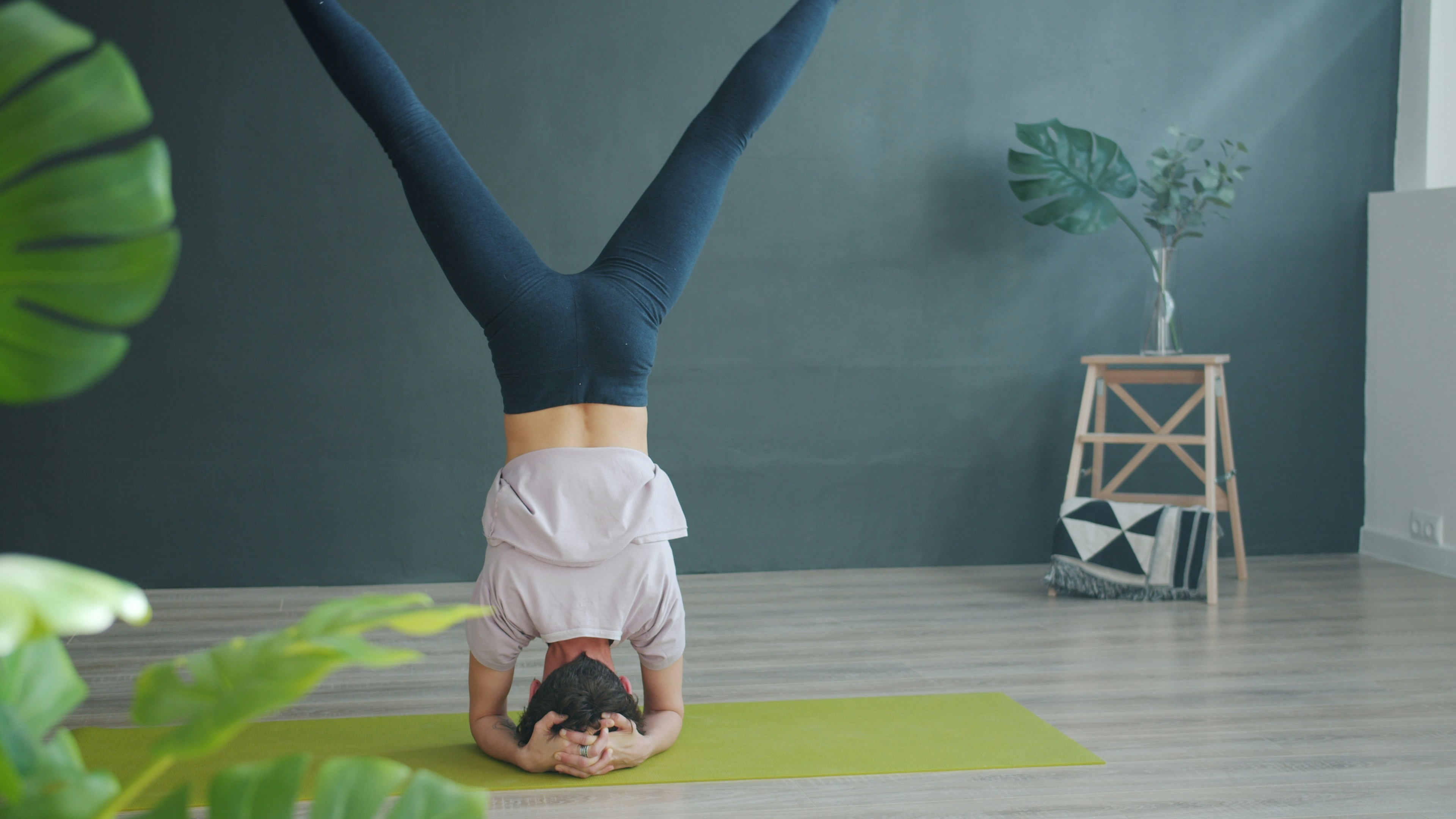
Optimal Fabric Blends for Custom Yoga Wear
When selecting garments for heat pressing, the fabric composition noted on the care label is your most important guide. Since spandex is heat-sensitive and can be damaged by the high temperatures used in some heat transfer processes, it's crucial to work with blends that are both durable and suitable for decoration.
Here are the most common and effective fabric blends for custom yoga wear:
- Polyester/Spandex Blends: This is the workhorse of the activewear world. Polyester is a durable, wrinkle-resistant synthetic fiber that holds color exceptionally well and is not prone to scorching at the lower temperatures required for many modern transfers. When blended with spandex (typically 80-90% polyester and 10-20% spandex), the result is a fabric with excellent shape retention, moisture-wicking properties, and the 4-way stretch necessary for yoga. This blend is ideal for sublimation printing and works well with a variety of stretchable heat transfer vinyls and direct-to-film transfers.
- Nylon/Spandex Blends: Nylon offers a softer, smoother feel than polyester and is also incredibly strong and abrasion-resistant. A nylon/spandex blend is a premium choice, often found in high-end leggings and sports bras, prized for its silky texture and compressive fit. However, nylon can be more heat-sensitive than polyester, so it's vital to use transfers that apply at a lower temperature and to test your heat press settings on a small, inconspicuous area first.
- Cotton/Spandex Blends: While less common in high-performance activewear, cotton/spandex blends are often used for more casual or restorative yoga wear due to cotton's softness and breathability. Customizing these blends is possible, but it's important to remember that cotton absorbs moisture and doesn't dry quickly, which may not be ideal for intense, sweaty practices. The application process must still account for the spandex content.
When sourcing your blank garments, you can purchase from wholesale apparel suppliers or, for larger-scale operations or very specific design needs, partner directly with a Yoga Wear Manufacturer{target="_blank"}. Working with a manufacturer can give you greater control over fabric composition, color, and construction.
Here is a comparison table to help guide your choice:
| Fabric Blend | Pros | Cons | Best For Customization With |
|---|---|---|---|
| Polyester/Spandex | Durable, great color retention, moisture-wicking, wrinkle-resistant, widely available. | Can sometimes feel less soft than nylon. | Sublimation, Stretch HTV, Direct-to-Film (DTF) Transfers. |
| Nylon/Spandex | Very soft and smooth ("silky" hand-feel), excellent strength, great stretch and recovery. | More heat-sensitive than polyester, can be more expensive. | Low-temp Stretch HTV, Low-temp DTF Transfers. |
| Cotton/Spandex | Very soft, breathable, comfortable for casual wear. | Absorbs moisture (not ideal for sweat), can shrink, less shape retention. | Stretch HTV, some DTF Transfers (testing required). |
Beyond Leggings: Diverse Yoga Wear Options
While leggings are the quintessential piece of yoga apparel, your customization efforts don't have to stop there. The world of yoga wear is vast and includes a range of tops, shorts, and accessories that are all prime candidates for personalization. Expanding your offerings can create opportunities to design coordinated sets and cater to a wider variety of style preferences and practice needs.
Tops, Shorts, and Accessories for Customization
Your creative canvas extends far beyond leggings. Consider these other popular yoga wear items for your heat press projects:
- Sports Bras: These are a fantastic item to customize, but they come with challenges like thick seams, elastic bands, and sometimes padding. The key to successfully pressing a sports bra is to isolate the print area. Using a small platen on your heat press or inserting a heat press pillow inside the bra can raise the application surface, ensuring even pressure away from seams and straps. Since sports bras undergo significant stretching, using a highly flexible transfer is non-negotiable.
- Tank Tops & T-Shirts: Yoga tops, especially women's styles like racerbacks, often have unique cuts and thinner straps that create a smaller and sometimes awkwardly shaped print area. For these, you may need to reduce your design size to around 8x8 inches. Threading the tank top over the lower platen is a crucial technique; this ensures you are pressing only a single layer of fabric and that seams from the back don't interfere with your pressure.
- Yoga Shorts: Perfect for hot yoga or summer collections, shorts offer a great canvas on the thigh or hip. Similar to leggings, the fabric will be stretchy and likely a polyester/spandex blend. The main challenge can be the smaller surface area and navigating seams. Again, using a heat press pillow or a smaller platen can help isolate the decoration area for a clean application.
- Accessories: Don't forget smaller items that can complete a custom set! Headbands, for example, are a popular and easy item to customize. Because they are designed to stretch significantly, a flexible transfer is a must. You can even add custom tags or small logos to yoga mat carrying straps for a complete branding package.
Considering Comfort and Flexibility for Your Custom Yoga Wear
The ultimate goal of yoga wear is to feel like a second skin, allowing for complete freedom of movement without distraction. When you add a heat-pressed design, it's vital that you don't compromise this core function. Ill-fitting or uncomfortable clothes can hinder your practice and focus.
Here’s how to ensure your custom creations remain comfortable and flexible:
- Prioritize a Flexible "Hand": The "hand" of a fabric refers to how it feels to the touch. After pressing, your design should be soft and flexible, not thick or stiff. A rigid design will not only feel uncomfortable against the skin but will also restrict the natural stretch of the garment. This can create a pulling sensation and may even affect the wearer's ability to get into certain poses.
- Maintain Breathability: Many yoga fabrics are designed to be breathable and moisture-wicking to keep you comfortable during a sweaty practice. A large, solid, non-breathable transfer (like some older types of vinyl) can create a "plastic patch" that traps sweat and heat. Modern transfers like DTF are much thinner and more breathable, making them a superior choice. When creating designs, consider incorporating negative space to allow the fabric to breathe.
- Don't Compromise the Fit: The design should stretch with the fabric, not against it. If the transfer is not elastic enough, it can cause the garment to pucker or prevent it from returning to its original shape, leading to sagging over time, especially at the knees and waistband. This is why testing your transfers on a scrap piece of the same fabric is so important. Stretch the fabric after application to see how the design behaves. A quality application will stretch and rebound seamlessly.
Ultimately, the best custom yoga wear enhances the garment without sacrificing its performance. Comfort should always be a top priority, as it is the foundation of a good yoga outfit.
Selecting the Perfect Transfers for Custom Yoga Wear
Once you've chosen the perfect yoga garment, the next crucial step is selecting the right type of heat transfer. The transfer is the heart of your design, and its properties—stretchability, durability, feel, and application requirements—are paramount. With the high-stretch and heat-sensitive nature of yoga fabrics like polyester/spandex blends, not just any transfer will do. Choosing the wrong type can lead to designs that crack upon stretching, peel after a few washes, or even damage the garment during application.
Transfers Engineered for Stretch
The primary requirement for any transfer applied to yoga wear is elite stretchability and rebound. The design must be able to elongate with the fabric as the body moves and then return to its original form without any cracking, warping, or peeling. This requires transfers that are specifically formulated with elasticity in mind.
UltraColor Max and UltraColor Stretch: My Top Picks
In the vast market of heat transfers, two types consistently stand out for performance on athletic apparel: Direct to Film (DTF) transfers and specialized hybrid screen-printed transfers.
Direct to Film (DTF) Transfers: This technology has revolutionized custom apparel. DTF involves printing a design onto a special film, which is then coated with a powdered adhesive and cured. This film is then heat-pressed onto the garment, transferring the ink and adhesive. The result is an incredibly vibrant, detailed, and, most importantly, stretchy print. DTF transfers, like UltraColor® Max™, are an excellent choice because they are designed to move with the fabric, preventing the cracking that plagues less flexible options. They adhere well to synthetic fabrics like polyester and nylon and can be applied at lower temperatures, which helps prevent scorching on sensitive materials. They also offer the benefit of full-color capabilities with no minimum order quantity, making them accessible for small-batch projects.
Stretch Hybrid Transfers: These are another premium option, combining the best of digital printing and screen printing. A transfer like UltraColor® Stretch is specifically engineered for performance fabrics that have a high degree of stretch, such as compression wear and leggings. It is designed to move with the garment and rebound without distortion, ensuring the design's longevity. For polyester fabrics, which are prone to "dye migration" (where the fabric dye bleeds into the transfer ink, discoloring it), an option like UltraColor® Stretch with Blocker is invaluable. This type includes a special layer that prevents the fabric's dye from contaminating the print, keeping whites white and colors true.
Considering Order Size for Cost-Effective Custom Yoga Wear
Your choice of transfer may also be influenced by the quantity of garments you plan to produce. The cost-effectiveness of different transfer types can vary significantly based on order volume.
- For Small Batches and One-Offs: DTF transfers, such as UltraColor Max, are extremely cost-effective for small orders because there are no minimum quantity requirements. You can order a single transfer or a small gang sheet with multiple designs, making it perfect for testing new ideas, creating personalized gifts, or running a small business without needing to invest in a large inventory. The pricing is often determined by the size of the print, providing clear and predictable costs.
- For Larger Production Runs: For higher quantities, hybrid transfers like UltraColor Pro or UltraColor Stretch (sold by the sheet) can become more economical. While there is often a minimum order (e.g., 6 sheets), you can "gang" multiple designs onto a single sheet, which significantly drives down the cost per individual print. This makes them a great choice for clothing brands, yoga studios, or athletic teams that need to produce a larger volume of consistent, high-quality custom apparel. High-volume orders often lead to substantial price breaks, making these transfers an affordable solution for scaling your business.
By analyzing your production needs against the pricing structures of different transfer types, you can make a smart, budget-friendly decision without compromising on the quality and stretchability your custom yoga wear requires.
Exploring Other Transfer Options for Custom Yoga Wear
While DTF and stretch hybrid transfers are often the top recommendations for performance wear, other methods exist that can offer unique finishes and effects. Heat Transfer Vinyl (HTV) and sublimation printing are two popular alternatives, each with its own set of advantages, disadvantages, and ideal use cases for customizing yoga apparel.
Specialty Heat Transfer Vinyl (HTV)
Heat Transfer Vinyl, or HTV, is a common material used for apparel customization. It comes on a roll or in sheets and is cut into a design using a vinyl cutter. While standard HTV is not suitable for yoga wear due to its lack of flexibility, the industry has developed specialized stretch HTV to meet this demand.
- How it Works: Stretch HTV is a polyurethane-based vinyl that is thinner and more elastic than standard HTV. Brands like Siser® offer EasyWeed™ Stretch, and there are many other "thermoflex stretch" vinyls designed specifically for performance fabrics. These products are made to stretch with the garment and rebound to their original shape without cracking or peeling.
- Pros:
- Variety of Finishes: One of the biggest advantages of HTV is the vast array of specialty finishes available. You can find glitter, metallic foil, holographic, and even flocked (velvet-like) stretch HTV. This allows for incredibly creative and eye-catching designs that are difficult to achieve with other methods. For example, adding a glitter or foil accent to a logo on yoga pants can significantly elevate the design.
- Accessibility: HTV is widely available and relatively easy to use, especially for those with a craft cutter like a Cricut or Silhouette.
- Cons:
- Feel and Breathability: Even with stretch HTV, the design is a layer of material sitting on top of the fabric. While much thinner than standard vinyl, it can still have a noticeable "hand" and may reduce the breathability of the fabric in the area it covers.
- Durability: While high-quality stretch HTV is durable, it can still be more prone to peeling over time compared to sublimation or DTF, especially with improper application or care.
- Complexity for Multi-Color Designs: Creating designs with multiple colors requires layering different pieces of vinyl, which can be time-consuming and result in a thicker, less flexible application.
Best Use Case: Specialty HTV is perfect for adding small logos, text, or decorative accents with unique finishes like glitter or foil to yoga wear. It's less ideal for large, solid designs where breathability and a super-soft feel are top priorities.
The Benefits of Sublimation Printing for All-Over Custom Yoga Wear Designs
Sublimation is a digital printing process that offers a completely different approach and result compared to HTV or DTF. It provides a premium, professional finish that is perfectly suited for performance wear, but it comes with some very specific requirements.
- How it Works: Sublimation uses special inks that, when heated to a high temperature (typically around 400°F), turn into a gas. This gas then permeates and permanently bonds with the polyester fibers of the fabric. The ink becomes part of the fabric itself, rather than sitting on top as a layer.
- Pros:
- Zero "Hand" and Maximum Breathability: Because the ink is infused into the fibers, the design has absolutely no feel to it. The decorated area remains just as soft, stretchy, and breathable as the rest of the garment.
- Ultimate Durability: A sublimated design will not crack, peel, or fade over time. The graphic is as durable as the fabric itself, withstanding countless washes and stretches.
- Vibrant, Full-Color Designs: Sublimation allows for photorealistic, complex, and gradient-filled designs with unlimited colors.
- All-Over Printing: This is where sublimation truly shines. It is the go-to method for creating leggings with seamless, edge-to-edge patterns that cover the entire garment. This is typically done by printing the a design on large paper and pressing it onto fabric panels before they are sewn together.
- Cons:
- Fabric Limitation: Sublimation only works on polyester fabrics (or high-polyester-content blends) and polymer-coated hard goods. It will not bond to natural fibers like cotton.
- Color Limitation: The process is best suited for white or very light-colored fabrics. Since the sublimation ink is translucent, it will not show up on dark-colored garments. There is no white sublimation ink, so any white in your design will simply be the color of the fabric showing through.
- Higher Initial Cost: The equipment for sublimation (a dedicated printer with sublimation inks and a quality heat press) can be a more significant initial investment compared to a vinyl cutter.
Best Use Case: Sublimation is the undisputed champion for creating vibrant, all-over-print leggings, sports bras, and matching sets on white or light-colored polyester apparel. It is the preferred method for professional-quality activewear where performance, breathability, and durability are paramount.
Comparison Table: HTV vs. Sublimation for Yoga Wear
| Feature | Specialty Stretch HTV | Sublimation Printing |
|---|---|---|
| Feel | A thin, flexible layer on top of fabric. | Zero feel; ink is part of the fabric. |
| Stretchability | Good, if using a specialized stretch product. | Excellent; stretches perfectly with the fabric. |
| Durability | Good, but can peel or crack over time. | Excellent; will not peel, crack, or fade. |
| Fabric | Works on cotton, polyester, and blends. | Only works on high-content polyester fabrics. |
| Garment Color | Works on any color garment. | Only works on white or light-colored garments. |
| Design Type | Best for single-color logos, text, or accents. | Perfect for full-color, photorealistic, and all-over patterns. |
| Special Effects | Yes (Glitter, Foil, Holographic, etc.). | No (produces a matte, ink-dyed finish). |
Mastering the Heat Press: Techniques for Flawless Custom Yoga Wear
Having the right garment and the perfect transfer is only two-thirds of the battle. The final, and arguably most technique-driven, part of the process is the application itself. Mastering your heat press involves more than just setting a time and temperature; it's an art that requires an understanding of placement, pressure, and the tools that help you navigate the unique challenges of stretchy, heat-sensitive yoga wear. A flawless press ensures not only a beautiful-looking design but also one that is deeply bonded to the fabric and will endure the rigors of athletic use and repeated laundering.
Strategic Placement and Sizing for Your Custom Yoga Wear Designs
Where you place your design on a piece of yoga wear can dramatically impact its visual appeal and structural integrity. Unlike a flat t-shirt, leggings and other form-fitting activewear have curves, seams, and high-stretch zones that must be taken into account. Thoughtful placement makes a design look intentional and professional.
Thigh and Leg Placement Considerations
Placing designs on the legs of yoga pants offers several creative options, each with its own set of rules for sizing and positioning to ensure a professional look.
- Upper Thigh/Hip: This is a popular spot for a small logo or design. A good size is typically between 3.5 to 5 inches wide. To place it, lay the legging flat and position the design on the upper side of the thigh. This placement is less likely to be distorted by extreme stretching at the knees or seat.
- Vertical Leg Print: A design running down the side of the calf or thigh is a classic athletic look.
- Calf Placement: Designs on the calf are often sized between 4 to 6 inches tall. This area is great for vertical logos or text.
- Full Leg Placement: For a bold statement, a design can run the length of the leg. The maximum length will depend on your heat press platen size, typically between 14 and 22 inches. When placing a long vertical design, it's best to align it with the natural fold or outer seam of the pant leg. Pressing as close to the seam as possible helps maintain a straight and centered appearance when the leggings are worn.
- Waistband: The waistband is a subtle yet effective branding location. Designs should be kept small, usually no more than 3 inches wide, to fit within the band without wrapping around too far. This is an excellent spot for a brand name or a small iconic logo.
A crucial tip for sizing is to avoid making the design too large. Remember that leggings stretch significantly when worn, which will make the design appear larger. It is always wise to create a paper template of your design and place it on the garment to preview the final look before pressing.
Navigating Obstructions: Seams and Pockets in Custom Yoga Wear
The biggest challenge in heat pressing contoured garments like yoga pants is dealing with obstructions. Seams, pockets, and zippers create uneven surfaces that prevent the heat press from applying uniform pressure. Without even pressure, your transfer will not adhere properly and will likely peel after the first wash.
- The Problem with Seams: When you press over a thick seam, the seam becomes the highest point of contact with the upper platen. This creates a "pressure shadow" on either side of the seam, where the area is lower and receives little to no pressure. The part of your transfer in this shadow will not bond to the fabric.
- The Solution: Isolation and Elevation: The key is to create a flat, even surface for your design.
- Avoid Pressing Over Seams: The simplest solution is to size and place your design so that it doesn't cross any seams. For example, on a pair of leggings with a side pocket, place your design either above or below the pocket, not over it.
- Use Heat Press Pillows: Heat press pillows are dense, foam-filled, non-stick pads that are essential for decorating items with seams. By inserting a pillow inside the pant leg or under the print area, you can raise the printing surface so that the bulky seams sink into the soft pillow. This allows the heat platen to make direct, even contact with your transfer, ensuring a perfect press. When using a pillow, you will need to adjust your pressure setting to account for the added thickness.
- Use Interchangeable Platens: Many professional heat presses offer smaller, interchangeable lower platens (e.g., leg/sleeve platens). By "threading" the pant leg onto a smaller platen, you can let the seams and the rest of the garment hang off the edges. This completely isolates the print area, providing an ideal, flat surface for application. This is the most effective method for achieving consistent results in a production environment.
By strategically planning your placement and using tools like heat press pillows or smaller platens, you can confidently overcome the challenges posed by seams and produce a durable, professional-quality custom garment every time.
Heat Press Settings for Custom Yoga Wear
Applying the correct combination of temperature, time, and pressure is the cornerstone of a successful and durable heat transfer. For sensitive, stretchy fabrics like those used in yoga wear, these settings are not just recommendations—they are critical rules. The wrong settings can lead to scorched fabric, a design that peels off, or a print that cracks on the first stretch.
Temperature, Time, and Pressure: The Golden Rules
Every heat transfer manufacturer provides specific application instructions for their products. These instructions are your most vital resource. However, there are some universal principles, or "golden rules," that apply, especially for performance fabrics.
- Always Follow the Manufacturer's Instructions: This cannot be overstated. Each type of transfer (DTF, HTV, hybrid, etc.) has a unique chemical composition that requires a precise combination of time, temperature, and pressure to activate the adhesive and bond correctly. Deviating from these instructions is the most common cause of application failure.
- Use Lower Temperatures for Synthetics: Polyester, nylon, and spandex are plastics at their core and are sensitive to heat. High temperatures can cause them to scorch, melt, or lose their elasticity. Most stretchable transfers intended for activewear are designed to be applied at lower temperatures, typically in the range of 265°F to 320°F (130°C to 160°C). Standard HTV for cotton, which might apply at 350°F or higher, would damage yoga wear.
- Pre-Press the Garment: Before placing your transfer, always pre-press the garment for 3-5 seconds. This quick step accomplishes two critical things: it removes any wrinkles, creating a perfectly smooth surface for application, and it evaporates any residual moisture in the fabric, which can interfere with the adhesive and cause application issues.
- Calibrate Your Pressure: Pressure is just as important as temperature. Most stretch transfers require a medium to firm pressure. Too little pressure will result in a weak bond that peels, while too much pressure (especially with a pillow) can cause issues. A good heat press will have a pressure readout or a reliable adjustment knob. When in doubt, perform a "dollar bill test": place dollar bills halfway under the platen on all four sides, lock it down, and try to pull them out. You should feel firm resistance on all of them, indicating even pressure.
Here is a general starting guide, but remember to always defer to your transfer's specific instructions:
| Fabric Type | Transfer Type | Temperature Range | Time Range | Pressure |
|---|---|---|---|---|
| Polyester/Spandex | DTF (e.g., UltraColor Max) | 275 - 290°F (135 - 143°C) | 7 - 15 seconds | Medium |
| Polyester/Spandex | Stretch Hybrid | 290 - 320°F (143 - 160°C) | 12 - 15 seconds | Medium-Firm |
| Nylon/Spandex | Low-Temp Stretch HTV | 265 - 285°F (130 - 140°C) | 5 - 10 seconds | Medium |
Tools for Success: Heat Press Pillows and Platens for Custom Yoga Wear
Achieving a professional press on the contoured and seam-filled landscape of yoga wear requires more than just the heat press itself. Specialized accessories are game-changers that solve the most common application problems.
- Heat Press Pillows: These are Teflon-covered foam pads of varying sizes that are placed inside or under a garment. Their function is to raise the print area above any obstructions like seams, zippers, or pocket edges. When the heat press closes, the hard seams sink into the soft pillow, allowing the flat print area to receive direct and even pressure from the platen. This is the single most effective way to ensure a good press on items like leggings, sports bras, and hoodies. Pillows come in various sizes, including long, narrow ones perfect for sleeves and pant legs. When using a pillow, you almost always need to reduce your pressure setting to compensate for the pillow's thickness.
- Interchangeable Platens: For a more professional and efficient setup, many heat presses offer interchangeable lower platens. These are smaller, specialized base plates that replace the standard large platen. For yoga wear, this is incredibly beneficial. You can use a small 6"x10" platen to press a left-chest logo on a sports bra or a long 6"x20" leg/sleeve platen to perfectly isolate the side of a pant leg. By "threading" the garment onto the smaller platen, all seams and excess fabric simply hang off the sides, leaving you with a perfect, flat printing surface. This eliminates the need for pillows and dramatically speeds up workflow for larger production runs.
Addressing Common Challenges in Custom Yoga Wear Heat Pressing
Even with the right materials and a good understanding of the process, you can still run into issues. Heat pressing on delicate, stretchy fabrics presents unique challenges not found with standard cotton tees. Knowing how to anticipate and solve these problems is key to minimizing waste and creating consistently high-quality products.
Preventing Scorching on Sensitive Fabrics
Scorching—leaving a permanent, shiny, or discolored "press box" on a garment—is one of the most common and frustrating issues when working with heat-sensitive fabrics like polyester and nylon. Once a garment is scorched, the damage is irreversible. Prevention is the only cure.
- Lower the Temperature: This is the most effective strategy. If you're experiencing scorching, your temperature is too high for the fabric. Use a transfer that is designed for low-temperature application (ideally below 300°F). It's a misconception that more heat is better; too much heat can burn the adhesive off and damage the fabric.
- Use a Protective Cover Sheet: Always place a non-stick cover sheet, such as a Teflon sheet or reusable craft paper, between your transfer and the hot upper platen. This acts as a protective barrier, diffusing the heat and helping to prevent direct contact that can cause shine or scorching.
- Use a Heated Lower Platen: Some advanced heat presses, like certain Hotronix® models, offer a heated lower platen. This accessory heats the garment from underneath, allowing you to significantly reduce the temperature of the upper platen. This technique dramatically lowers the risk of scorching on the visible surface of the garment.
- Adjust Pressure: Excessive pressure can also contribute to press marks. Ensure you are using the correct pressure as specified by your transfer's instructions (usually medium pressure).
- Test, Test, Test: Every heat press and garment is slightly different. Before starting a production run, always test your settings on a scrap piece of the same fabric or an inconspicuous area of the garment. This allows you to dial in the perfect settings without risking your primary product.
Ensuring Durability and Longevity of Your Custom Yoga Wear
A beautiful design is worthless if it doesn't last. The durability of a heat-pressed graphic depends on achieving a perfect bond between the transfer's adhesive and the fabric fibers.
- Follow the Holy Trinity: Time, Temperature, and Pressure: As mentioned, adhering strictly to the manufacturer's recommended settings for your specific transfer is critical. This ensures the adhesive melts completely and embeds into the fabric weave.
- The Second Press: After the initial press and peeling the carrier sheet, performing a second press for 2-5 seconds can significantly improve durability. Cover the exposed design with a cover sheet and press again. This second press helps to fully cure the adhesive, pushes the design deeper into the fabric for a softer feel, and can reduce any initial shine, giving a more matte, professional finish.
- Wait 24 Hours Before Washing: After pressing, the adhesive needs time to fully cure and set. It is recommended to wait at least 24-48 hours before the first wash to ensure the strongest possible bond.
- Proper Washing Care: The way the garment is cared for will have a huge impact on the longevity of the design. Provide your customers (or yourself) with these simple care instructions:
- Turn the garment inside out before washing to protect the print from abrasion.
- Wash in cold water on a gentle cycle. Hot water can weaken the adhesive over time.
- Use a mild detergent and avoid bleach and fabric softeners, as these can degrade the adhesive.
- Hang dry whenever possible. If you must use a dryer, use a low-heat or tumble-dry setting. High heat is the enemy of heat-applied graphics.
By following these best practices for both application and care, you can create custom yoga wear with designs that stay vibrant, flexible, and intact for the life of the garment.
Taking Your Custom Yoga Wear to the Next Level: Design and Creativity
Once you have mastered the technical aspects of selecting fabrics, choosing transfers, and perfecting your heat press technique, you can truly unleash your creativity. The design phase is where you transform a simple garment into a unique piece of wearable art that reflects personal style, brand identity, or a specific aesthetic. Moving beyond basic applications and exploring more complex design concepts will set your custom yoga wear apart.
Crafting Unique Designs for Your Custom Yoga Wear
The design itself is the soul of your custom piece. It’s what captures attention in the yoga studio or on social media. Drawing inspiration from current trends while adding a personal touch is the key to creating designs that are both relevant and original.
Inspiration and Trends in Yoga Wear Customization
Staying current with activewear trends can provide a fantastic starting point for your designs. The world of yoga and fitness fashion is constantly evolving.
- Color Palettes: While classic black and neutral tones are always in style, recent trends show a move toward both vibrant, bold colors and soft, nature-inspired palettes. Think electric blues and deep purples alongside earthy terracotta and sage green. Bold colors like red are also making a strong appearance in activewear for 2026.
- Design Motifs: Beyond solid colors, patterns are a huge trend. This can range from subtle botanicals and floral prints to bold geometric shapes and abstract art. All-over prints, made possible by sublimation, continue to be a dominant force in leggings fashion.
- Typography and Quotes: Words are powerful. Adding an inspirational, motivational, or even a funny yoga quote can create a piece that resonates with people on a personal level. Phrases like "Just Breathe," "Inhale, Exhale," or playful takes like "I do yoga and drink tequila" are popular choices. The placement is also creative, with some designs running "Inhale" down one leg and "Exhale" down the other, or placing small reminders on the sleeve.
- Seamless and Minimalist Aesthetic: A major trend in activewear is the "soft sports" or "quiet luxury" look, which emphasizes second-skin comfort, minimal seams, and subtle branding. This trend favors small, tastefully placed logos and clean lines over loud graphics.
Personalizing for Performance and Style in Custom Yoga Wear
Customization isn't just about aesthetics; it can also be about enhancing the garment's purpose for the wearer. A well-placed design can create a sense of identity and motivation.
- For Yoga Studios and Instructors: Custom apparel is a powerful branding tool. A studio can create a cohesive look for its instructors and retail line, fostering a sense of community. Logos can be placed on the chest of tops, the high waistband of leggings, or the back of a racerback tank.
- For Individuals: This is where you can truly express yourself. Place a design that represents a personal mantra, an element from nature you connect with, or a symbol that holds meaning for you. A small lotus flower on the ankle, a mandala on the lower back, or a meaningful word on the inner wrist can transform a simple pair of leggings into a personal statement piece.
- Performance-Oriented Design: Think about how the design interacts with the body in motion. For example, a design that wraps around the calf muscle can accentuate its form during poses. A vertical line down the side of the leg can create a visual that elongates the body. The goal is a harmonious blend where the design complements both the style of the garment and the movement of the body.
Expanding Your Custom Yoga Wear Collection
Once you're comfortable creating individual custom pieces, the next step is to think like a designer and build a cohesive collection. Creating matching sets and adding elevated details can significantly increase the appeal and value of your custom yoga wear, whether for personal use or for sale.
Matching Sets and Coordinated Custom Yoga Wear
One of the most appealing trends in activewear is the matching set. A coordinated sports bra and leggings create a polished, intentional, and highly fashionable look. As a creator, this is a fantastic opportunity to showcase your design skills.
- Creating a Cohesive Theme: The key to a great matching set is a unified design theme. This doesn't mean the top and bottom have to be identical. Instead, use shared elements to tie them together.
- Shared Color Palette: Use the same core colors in both the top and bottom pieces, even if the designs themselves are different.
- Repeating Motifs: Take a design element from the leggings—like a single flower from a floral pattern—and place it as a standalone logo on the sports bra.
- Mirrored Placements: Create a sense of balance. For example, if you place a design on the right leg of the leggings, consider placing a smaller, matching design on the left strap or side of the sports bra.
- Building a 'Capsule' Wardrobe: You can expand this concept to create a mini "capsule" collection with 3-4 pieces—leggings, shorts, a sports bra, and a tank top—that can all be mixed and matched. By using a consistent color palette and complementary design elements across all pieces, you create a versatile and valuable activewear wardrobe.
Beyond Basic: Adding Rhinestones and Embellishments to Custom Yoga Wear
To create truly premium, eye-catching yoga wear, consider adding three-dimensional embellishments. This takes your customization beyond a flat print and adds texture, sparkle, and a high-end feel.
- Hotfix Rhinestones: These are small crystals with a heat-activated adhesive on the back. They are applied using either a heat press or a special handheld hotfix applicator.
- Application: Hotfix rhinestones can be purchased loose or, more conveniently, as pre-made transfers where the stones are arranged in a design on a sticky carrier sheet. To apply a transfer, you simply place it on the garment and press it according to the manufacturer's instructions (e.g., around 335°F for 15 seconds). It's crucial to use a heat press for even pressure, which ensures every stone adheres properly.
- Design Considerations: Rhinestones are perfect for adding sparkle to a logo, outlining text, or creating glittering mandalas and starburst patterns. However, it's important not to layer hotfix rhinestones directly on top of heat transfer vinyl, as they won't adhere securely. Instead, you can create mixed-media designs by leaving "knockouts" (empty spaces) in your vinyl design and pressing the rhinestones directly onto the fabric within those spaces.
- Heat Transfer Foils: Foils add a brilliant, metallic shine that is impossible to replicate with ink alone.
- Application: This is typically a two-step process. First, you press a special heat transfer adhesive onto the garment in the shape of your design. After peeling the adhesive's carrier, you lay a sheet of foil over the top and press again. The foil sticks only to the adhesive, creating a sharp, metallic finish.
- Combining with Other Media: Foil works beautifully when combined with other transfer types. For example, you can create a design where some words are standard HTV and one keyword is in a brilliant gold or silver foil. This creates a powerful visual hierarchy and a high-end look.
When adding embellishments to stretchy fabric, always do a stretch test. While these elements are not as flexible as the fabric itself, placing them strategically in lower-stretch zones (like the ankle, hip, or upper back) can ensure they remain secure without compromising the garment's performance.
Frequently Asked Questions (FAQ)
1. What is the best type of fabric for custom yoga wear? For custom yoga wear, the best fabrics are synthetic blends that offer 4-way stretch, durability, and moisture-wicking properties. Polyester/spandex blends are the most common and versatile, as they hold color well and are less prone to scorching. Nylon/spandex blends are a premium option, known for their exceptionally soft and smooth feel. It's best to avoid 100% cotton for activewear, as it absorbs moisture and loses its shape.
2. Can I use a regular home iron to apply heat transfers to yoga pants? While it is technically possible for some transfers, it is strongly discouraged for achieving professional and durable results. A home iron cannot provide the consistent, even temperature and heavy pressure required for the adhesive to properly bond to synthetic, stretchy fabrics. This often leads to peeling, cracking, and a short lifespan for the design. A quality heat press is an essential investment for reliable results.
3. Why is my heat transfer design cracking or peeling off the yoga pants? This is usually caused by one of three issues: an inappropriate transfer type, incorrect application settings, or improper design placement. You must use a transfer specifically designed for stretch fabrics, like a high-stretch HTV or DTF. Standard transfers will not stretch with the fabric. Secondly, if the temperature, pressure, or time was insufficient, the adhesive didn't fully bond to the fabric fibers. Lastly, placing a design in a very high-stretch area without a sufficiently elastic transfer can also cause it to fail.
4. How do I wash my custom heat-pressed yoga wear? To maximize the life of your custom design, always turn the garment inside out before washing. Wash in cold water on a gentle cycle with a mild detergent. Avoid using bleach or fabric softeners, as they can degrade the transfer's adhesive. It is best to hang dry or lay flat to dry. If you must use a machine dryer, use the lowest heat setting or a tumble-dry-no-heat setting. Waiting 24-48 hours after pressing before the first wash also helps the design fully cure.
Conclusion
Creating custom yoga wear with a heat press is an incredibly rewarding endeavor that seamlessly blends technical skill with boundless creativity and personalization. By taking the time to understand the critical nuances of fabric selection, choosing the right transfer for stretch and durability, and perfecting your application techniques, you can achieve professional-grade results that truly reflect your unique style or brand identity.
From the foundational choice of a polyester/spandex fabric to the precise mastery of heat press temperature, time, and pressure, I've found through my own journey that meticulous attention to detail is the undisputed key to success. Every step matters. Embrace the process of making your own custom yoga wear as a practice in itself—one of patience, learning, and creativity. There is immense satisfaction in wearing a garment that is not only comfortable and functional but is genuinely and completely your own.
I wholeheartedly encourage you to dive in and experiment with different designs, materials, and embellishments to discover what works best for you and your vision. With practice, the right tools, and a bit of passion, your custom yoga wear will become more than just clothing; it will be a comfortable, durable, and authentic expression of your individuality.

