
Custom Leggings for Fitness Brands: Instructor Lines & Co-Branded Capsules
A fitness brand does not need a large apparel range to launch a useful leggings program. It needs a product its community will actually wear—and a specification the factory can reproduce.
For a trainer, that may mean a signature capsule. For a studio, it may mean member merchandise and coordinated instructor outfits. For a gym chain, it may mean consistent products across locations. At Bloomto, we help turn these different requirements into practical decisions about fabric, fit, branding, samples and production.
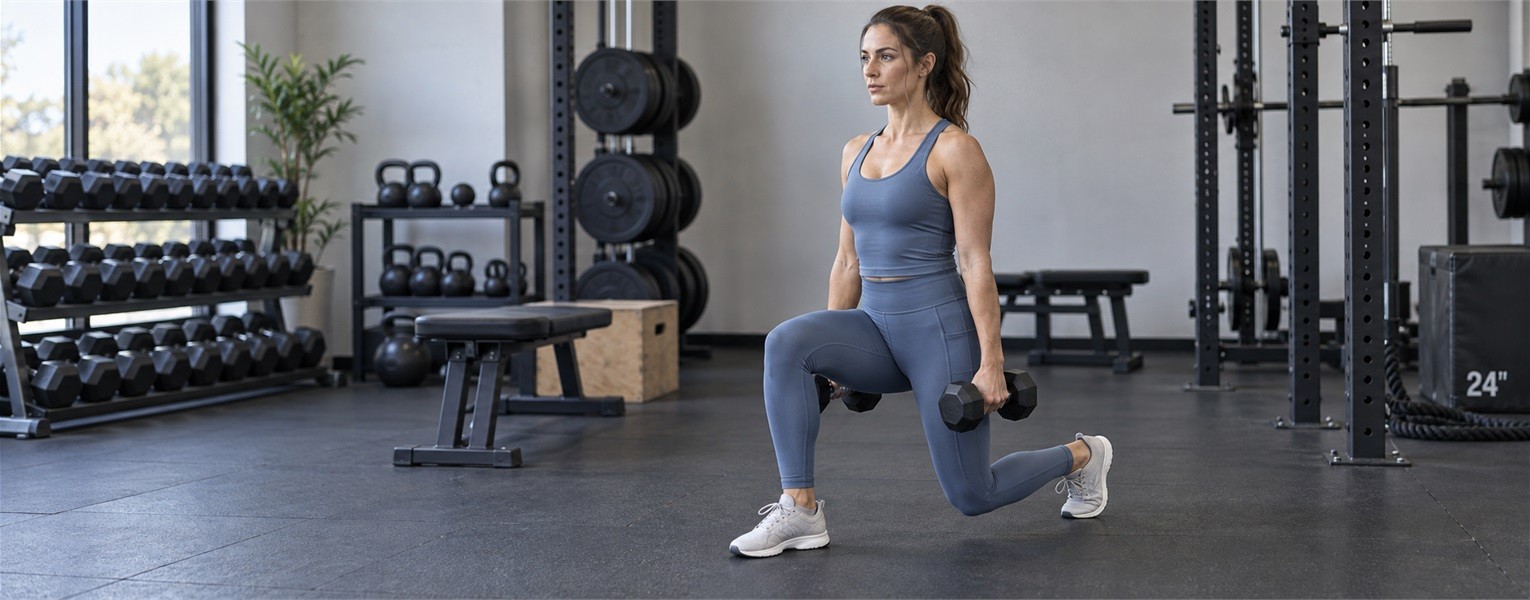
Quick Answer: How Should a Fitness Brand Start?
Choose one audience and one training use case. Define whether the leggings are for staff, member retail or a named instructor collaboration. Select a suitable product base, agree on the size range and logo treatment, validate samples, then approve the complete specification before bulk production.
Start quantities should reflect demand by style and color—not just follower count or total gym membership.
The Fitness-Brand Opportunity: From Instructors to Gym Chains
The potential community is substantial. The Health & Fitness Association's 2026 US consumer report announcement estimates that 81 million Americans held fitness-facility memberships in 2025, up 5.2% from 2024. Its research surveys approximately 18,000 US residents aged six and older annually. These are population-level estimates, not a count of women's leggings shoppers.
In Europe, EuropeActive and Deloitte's 2026 market findings report 75.5 million memberships at year-end 2025, compared with 71.4 million in 2024. The two regions use different research frameworks, so their totals should not be treated as a directly comparable apparel-market measure.
More Members, Not Guaranteed Merchandise Sales
Fitness memberships, millions · scale starts at zero
Source: EuropeActive / Deloitte, published April 2026. Reported annual growth: 5.8%. Displayed membership totals are rounded.
The commercial implication is narrower than “fitness is growing, so leggings will sell.” Clubs and instructors have identifiable communities in which to test an offer. Your buying decision still needs evidence of preferred fit, acceptable price and demand at your own locations. Staff allocation, member purchases and collaboration sales should be tracked separately.
| Program | Primary purpose | What to validate first |
|---|---|---|
| Instructor capsule | A named trainer's limited collection | Audience interest, signature detail and partner approvals |
| Studio retail line | Products sold to members alongside classes | Wearability, price and the local size mix |
| Gym-chain program | Staff outfits and/or coordinated member merchandise | Product consistency, location allocation and replenishment |
Designing Performance Leggings for the Gym Floor
Design custom workout leggings around actual movement. Strength training raises questions about opacity, waistband stability and contact with equipment. Floor-based classes put more emphasis on seam comfort and freedom of movement. For custom athletic leggings, a feature is useful only when it serves the wearer: a pocket used during coaching may be unnecessary for a dedicated studio style.
ACSM's 2026 fitness trends survey summary, accompanying the report in ACSM's Health & Fitness Journal, ranks balance, flow and core strength fifth and traditional strength training seventh. These are professional-opinion rankings—not garment sales figures. They support asking which training formats your customers attend, rather than assuming one product specification fits every activity.
- Fabric: assess stretch, recovery, surface feel, opacity and moisture behavior in the selected material and color.
- Fit: check rise, waistband construction, gusset, seam placement and leg length on relevant body types.
- Branding: review logo comfort and durability on the actual stretch fabric, including after care testing.
Our custom leggings manufacturing support covers fabric selection, pattern development, fit options, branding and sampling. Bring reference garments and the training context so we can discuss the decisions that matter to your product.
Instructor Co-Branding: Small-Batch Custom Leggings Programs
An instructor line should have a clear reason to exist: a recognizable color, a functional feature the trainer requests, or a coordinated set their audience wants to wear. A co-branded capsule adds a second approval owner, so settle the practical responsibilities before ordering materials.
Identify who approves the product, both logos, launch imagery and final packaging. Confirm that you have permission to use the partner's name and artwork. Agree who purchases inventory, manages customer service and decides whether the collection can be reordered after the collaboration ends.
Illustrative SKU Planning: Keep the First Range Focused
1 style × 2 colors × 5 sizes = 10 SKUs.
3 styles × 4 colors × 5 sizes = 60 SKUs.
The second plan creates six times as many style–color–size combinations before adding different instructor logos. This is an arithmetic example, not a recommended order or a Bloomto MOQ quote. A smaller assortment simplifies allocation; it does not guarantee sell-through.
Test interest with a sample fitting, a waitlist or a clearly described preorder. Distinguish an expression of interest from a paid order. Use the results to refine the size breakdown and quantity; do not translate social-media followers directly into production volume.
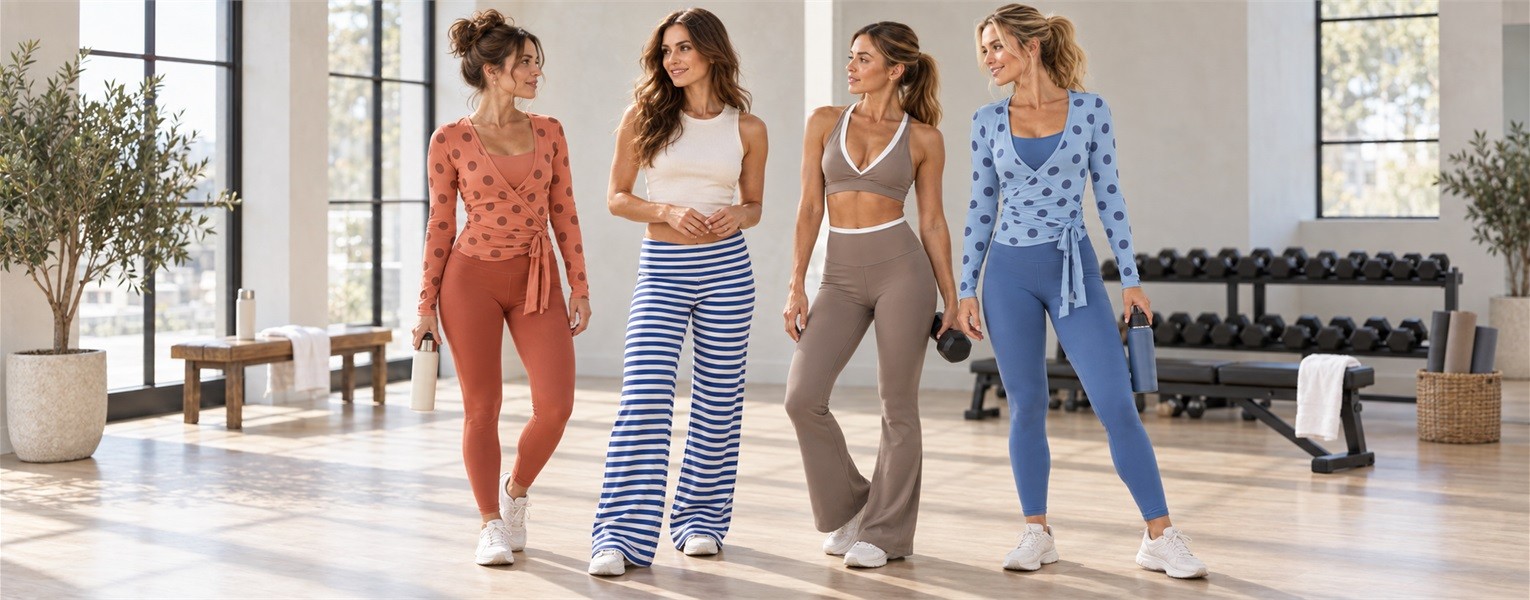
Have an Instructor Collaboration in Mind?
Send Bloomto your reference style, partner branding, expected quantities and target launch date. We can review the customization route and information needed for sampling.
Discuss Your Instructor CapsuleChain Consistency: Custom Workout Leggings at Scale
For custom leggings for gym brands operating across locations, the challenge changes from creating a distinctive first sample to maintaining a repeatable product. Standardize the core specification before allowing individual clubs to request different details.
Keep one controlled record of the fabric code, approved color, measurement points and tolerances, construction, logo dimensions and placement, labels and packaging. Separate the common garment specification from location-specific packing lists or approved branding variants.
Allocate stock using each location's demand rather than distributing every size equally. Track staff issues separately from retail sales. For reorders, assess available stock against expected demand during the full replenishment period, including approvals, materials, production, inspection and transport. Reconfirm availability instead of assuming the original fabric or color is still in stock.
Private Label Leggings for Fitness Brands
Private label can suit a fitness business whose differentiation comes mainly from its community and presentation. It begins with an existing product foundation and applies agreed changes. Original fit blocks, unusual pockets or specialized construction may require more extensive development.
Compare private label, ODM and OEM manufacturing with your actual starting information. A complete tech pack, a reference garment and an early moodboard call for different levels of support. Existing bases still need fit, color and branding approval.
You can also review our custom women's activewear collection when considering a matching top or shorts. Add related pieces only when they support the program's purpose and budget.
Fit Testing With Real Trainers Before Launch
Trainers can provide useful feedback through repeated demonstrations and full teaching sessions. They should not be the only testers: include wearers whose proportions and size needs reflect your intended customers. A sample that suits one instructor does not validate the full size range.
| Review area | Wear-test question | Record |
|---|---|---|
| Waist and fit | Does the waistband roll, slide or press uncomfortably? | Wearer's measurements, sample size and activity |
| Coverage | Does the selected color remain opaque through movement? | Lighting, posture, size and fabric/color reference |
| Seams and pockets | Is there rubbing, seam strain or pocket movement? | Location, conditions and requested correction |
| Care and branding | Do shape, surface and logo change after washing? | Care procedure, cycle count and before/after observations |
This checklist is a practical review framework, not a certified laboratory protocol. Agree on formal test methods and acceptance criteria when performance claims require them. Do not advertise a numerical drying time, compression level or durability improvement without relevant evidence for the actual product.
How Bloomto Supports the Move From Sample to Bulk
Our service is designed to keep the product brief connected to the production decision. Bloomto's support for growing activewear brands includes milestone-based collaboration, pattern-making and launch planning. For an instructor or gym program, that translates into a clear sequence of reviews.
- Review the brief. We discuss the customer, training use, style direction, branding, quantities and timing, then identify missing information.
- Confirm sample details. We organize fabric, measurements, colors, logos and other key requirements for written confirmation.
- Keep feedback structured. Sample progress updates, dispatch follow-up and focused comments on fit, fabric, workmanship and branding help clarify revisions.
- Confirm the bulk reference. Agreed changes need to be reflected in the final specification. A positive reaction to a sample is not, by itself, production approval.
Tell us which decisions are fixed and which remain open. That lets us discuss sampling and production milestones without presenting an early estimate as a guaranteed delivery date.
MOQ, Timing and Common Questions
What MOQ Do Fitness Brands Face for Custom Leggings?
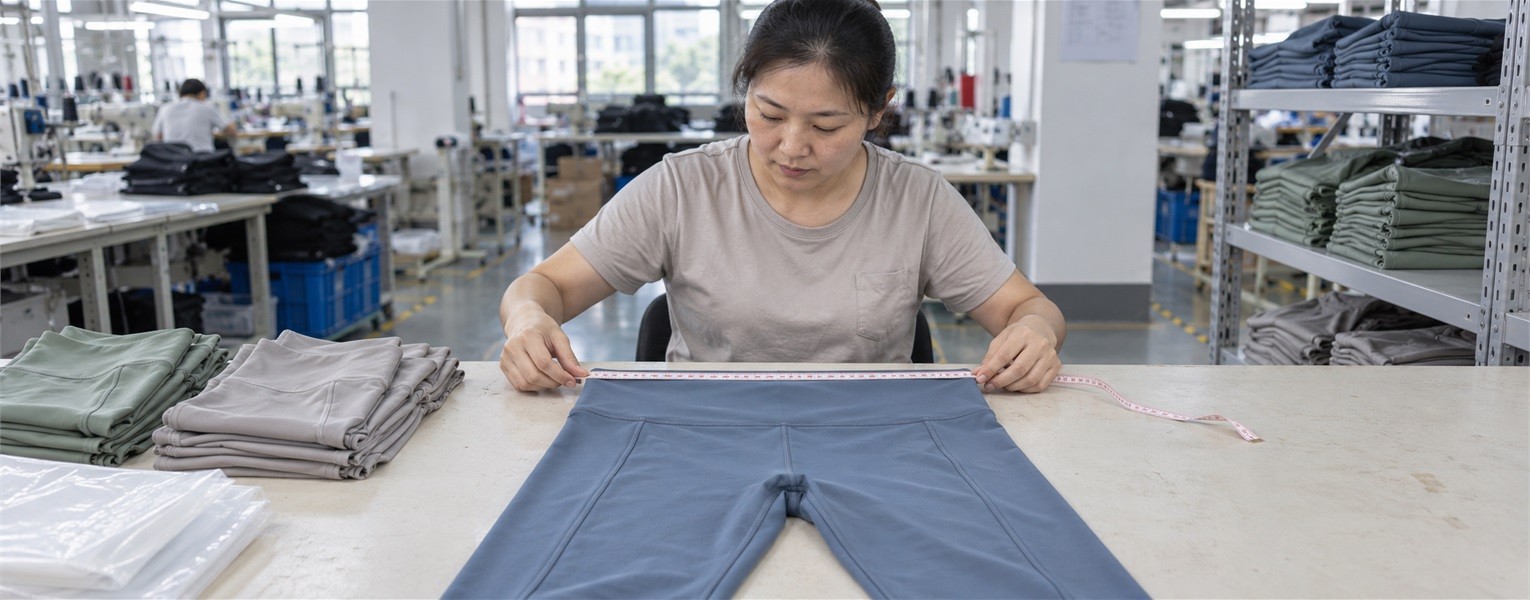
Our custom leggings service lists starting quantities from 100 pieces per style/color, depending on the fabric and production process. This is not 100 pieces spread across any combination of styles and colors. Seamless construction, custom printing, special fabrics and trims may have different minimums. Send the proposed breakdown for a project-specific quotation.
How Do Instructor Lines Differ From Brand Lines?
An instructor line is usually tied to an individual, a community and a defined collaboration period. A broader brand line needs continuity beyond that person or launch. The distinction affects approvals, branding, product availability and reorder decisions—not necessarily the manufacturing technique.
How Much Time Should We Allow?
Work backward from the date the goods must arrive. Allow separately for specification review, materials, samples, feedback, revisions, bulk approval, manufacturing, inspection and shipping. Confirm those milestones with Bloomto before announcing an event-linked launch or promising customers a delivery date.
Build Your Fitness Brand's Leggings Program With Bloomto
Whether you are preparing an instructor collaboration, studio retail range or multi-location gym order, send us your product idea and the information you already have.
Include reference images or a tech pack, training use, target customer, quantities by style/color, sizes, logo files, packaging needs, destination and launch date. We will review the brief and outline the next steps toward samples and production.
Send Bloomto Your Fitness Brand BriefSources and Evidence Notes
Checked 15 September 2026. Market figures refer to 2025; report editions and release dates are stated separately. The figures below come from publicly accessible publisher announcements, not an independent analysis of paid reports or raw datasets.
- Health & Fitness Association, 2026 US Health & Fitness Consumer Report announcement, 9 April 2026. Source for US membership and survey context.
- EuropeActive / Deloitte, European market findings for 2025, released April 2026. The Deloitte report page identifies the edition as the European Health & Fitness Market Report 2026.
- American College of Sports Medicine, Top Fitness Trends for 2026, 22 October 2025, summarizing the survey published in ACSM's Health & Fitness Journal, November/December 2025.
The SKU example and sample-review framework are planning aids, not industry benchmarks, measured customer results or guarantees.

