Custom Activewear for Plus Size: Design Considerations and Manufacturing Capabilities
The global activewear market has seen remarkable growth, but one segment stands out as particularly underserved: plus-size activewear. According to industry data, over 60% of women in the United States wear size 14 or above, yet many activewear brands still fail to offer comprehensive size-inclusive collections. This gap represents not just a missed business opportunity but a real need among consumers who want stylish, functional, and well-fitting workout apparel. Consumers are increasingly vocal about their expectations for inclusive sizing, demanding the same level of quality, design, and performance that straight-size shoppers enjoy. Brands that ignore this demand risk alienating a large and loyal customer base. For fashion entrepreneurs, boutique owners, and established brands looking to expand their product lines, understanding the nuances of plus-size activewear manufacturing is essential to capturing this growing market. The plus-size activewear market is projected to grow at an accelerated rate over the next five years, driven by shifting consumer attitudes, greater body positivity awareness, and increasing demand for inclusive fitness culture. Manufacturers who invest in proper pattern engineering, fabric selection, and fit testing for plus-size garments will be well-positioned to serve brands entering this space. In the activewear industry, "plus size" generally refers to garments sized US 14 and above, typically beginning at XL or 1X and extending up to 6X or beyond. However, sizing standards vary significantly between brands, regions, and product categories. For manufacturers, the challenge lies not in simply scaling up a standard pattern but in understanding the unique body proportions and fit requirements of plus-size customers. A proper plus-size grading system accounts for differences in hip-to-waist ratio, bust volume, torso length, and thigh circumference, all of which change disproportionately as sizes increase. Straight-size grading rules do not apply linearly beyond a certain size threshold. For example, a woman wearing size 2X may have proportionally wider hips and a fuller bust compared to a size M wearer, requiring dedicated pattern blocks rather than simple enlargement. Professional plus-size activewear factories develop separate fit blocks for each size range, ensuring that garments maintain their intended silhouette and support characteristics across the full size spectrum. This commitment to proper grading sets quality manufacturers apart from those who merely stretch patterns beyond their design limits. Designing activewear for plus-size bodies requires a fundamentally different approach than simply scaling up existing patterns. The most successful plus-size activewear collections are built from the ground up with inclusive design principles. Here are the critical design factors that every brand should consider when working with a manufacturer. Waistband Engineering: Waistbands are perhaps the most important element in plus-size activewear. A poorly designed waistband will roll down during movement, causing discomfort and constant adjustment. Professional manufacturers use wide, double-layer waistbands with controlled elasticity and internal silicone grips to prevent rolling. The tension must be carefully calibrated — not too tight to cause compression discomfort, and not too loose to provide insufficient support. Hip and Thigh Proportion: Plus-size patterns must accommodate curvier hip and thigh proportions without creating excess fabric in other areas. This requires advanced pattern grading techniques, including curved side seams, gusset panels, and strategic dart placement. A well-designed pair of plus-size leggings should follow the natural contours of the body without pulling, sagging, or creating unflattering tension lines. Bust and Shoulder Support: Sports bras and tops for plus-size bodies require reinforced support structures, wider straps, and fuller coverage. Manufacturers should offer underwire options, encapsulation designs, and compression layers that provide adequate support for high-impact activities. The underband must be wide enough to distribute pressure comfortably without digging into the skin. Fabric choice is arguably the most critical technical decision in plus-size activewear manufacturing. The wrong fabric can lead to transparency during movement, poor shape retention, and uncomfortable compression. Here are the essential fabric considerations that brands must evaluate when sourcing plus-size activewear production. Squat-Proof Performance: This is the number one concern for plus-size leggings and bottoms. Fabrics must pass opacity testing under tension, meaning they do not become see-through when stretched over curves. Manufacturers typically recommend nylon-spandex blends with GSM (grams per square meter) ratings of 220–320 for reliable coverage. Polyester blends, while more affordable, often struggle with opacity at higher stretch levels. Stretch and Recovery: Four-way stretch with excellent recovery is non-negotiable. The fabric must stretch in all directions and return to its original shape after repeated wear. Premium options include 75% nylon + 25% spandex blends or 78% polyamide + 22% elastane combinations. Higher spandex content (18–25%) ensures that garments maintain their compression and shape over time, reducing bagging at the knees and waistband. Moisture Management: Activewear for plus-size bodies must excel at moisture wicking and breathability. Fabrics with brushed finishes, cooling filaments, and engineered ventilation zones help regulate body temperature during exercise. Look for fabrics with moisture-wicking certifications and quick-dry performance ratings. Matte vs. Shiny Finishes: Aesthetic preferences matter. Matte-finish fabrics tend to be more flattering on curves as they reduce visible highlights and create a smoother visual silhouette. Some brands also use strategic color blocking and darker shades to create visually slimming effects, though the priority should always be fit and function over appearance. Pattern development is the most technical aspect of plus-size activewear manufacturing. Standard grading rules that work for sizes XS to XL often break down when extended to 2X, 3X, and beyond. Professional manufacturers use dedicated plus-size fit blocks with adjusted grading increments for each size step. Key Pattern Adjustments: The front rise depth, back rise shaping, hip-to-waist ratio, thigh circumference balance, gusset positioning, and waistband tension all require recalculation for plus sizes. For example, the difference in hip measurement between size L and XL might be 2 inches, but the difference between 2X and 3X could be 3 inches or more. Manufacturers must use non-linear grading rules that reflect actual body measurement data. Real Fit Testing: Samples should be fitted on actual plus-size fit models who represent the target size range. This is non-negotiable. A sample that fits perfectly on a size 8 model will behave completely differently on a size 18 body. Brands should insist on multiple fit sessions with models in sizes 14, 18, and 22 to validate pattern accuracy before approving bulk production. Pre-Production Samples: Before committing to full production, brands should request pre-production samples (often called PP samples or TOP samples) in each size they plan to offer. These samples are made using the actual production fabrics and trims, allowing the brand to verify fit, fabric performance, and construction quality across the entire size range. Not all activewear factories have the capability to produce quality plus-size garments. Brands must carefully evaluate potential manufacturing partners based on their experience, equipment, and quality control processes for extended sizing. Factory Experience: Look for manufacturers with a proven track record in plus-size activewear production. Experienced factories will have dedicated pattern-making teams, a library of plus-size fit blocks, and established grading protocols for extended sizes. They should also have experience working with international brands and understanding global sizing standards. Equipment Requirements: Producing plus-size garments may require larger cutting tables, specialized sewing equipment for reinforced seams, and wider fabric spreading capabilities. The factory should have flatlock sewing machines for anti-chafing seams, coverstitch machines for hemming, and ultrasonic welding equipment for seamless construction if needed. Quality Control for Plus Sizes: QC protocols for plus-size activewear must be more rigorous. Each size in the range should be independently tested for seam strength, fabric opacity, stretch recovery, and measurement accuracy. The AQL (Acceptable Quality Limit) inspection should cover all size variants, not just the sample size. MOQ Considerations: Minimum order quantities for plus-size activewear vary by factory. Some manufacturers offer MOQs as low as 100 pieces per design per color, with size mix flexibility. Others require 300–500 units per style. Startups can often begin with a single best-selling SKU — such as plus-size leggings — to test the market before expanding their range. Plus-size activewear presents unique quality control challenges that differ from standard-size production. Understanding these challenges helps brands work effectively with manufacturers to ensure consistent quality. Fabric Sheerness Risk: As mentioned, fabric opacity under stretch is the primary QC concern. Each production batch should undergo opacity testing using a standardized method. A simple test involves stretching the fabric to its maximum intended extension and checking for transparency against a contrasting background. Seam Integrity: Seams in plus-size garments experience higher tension during wear. Flatlock seams must use stronger thread and tighter stitch density to prevent breakage. Factories should conduct seam strength tests on each size variant, measuring the force required to break seams under controlled conditions. Waistband Performance: Waistband rolling is a common complaint in plus-size leggings. QC testing should simulate real-world movement — squatting, bending, and lunging — to verify that waistbands stay in place. Elastic tension must be measured and documented for each production run. Measurement Consistency: Bulk production measurements must stay within specified tolerances for each size. A common problem is size inconsistency, where a batch of size 2X leggings varies significantly from the approved sample. Professional factories use measurement report forms (MRFs) to document every point of measurement for each size in the production run. Entering the plus-size activewear market requires more than just offering larger sizes. Successful brands take a comprehensive approach to inclusivity that encompasses product design, marketing, and customer experience. Size Range Strategy: Decide on your size range early in the product development process. While offering XS to 6X is ideal for true inclusivity, many brands start with a core range of S to 3X and expand based on customer demand. Consider your target audience, production budget, and manufacturing capabilities when defining your size range. Marketing and Representation: Use fit models who represent your full size range in product photography. Customers can immediately tell when stock photos use straight-size models for plus-size products. Authentic representation builds trust and demonstrates your brand's commitment to inclusivity. Customer Feedback Integration: Collect and act on customer feedback about fit, comfort, and performance. Plus-size customers are often eager to share their experiences, and this feedback is invaluable for refining your patterns and product offerings. Consider creating a fit feedback program or review system that specifically addresses sizing concerns. The cost of manufacturing plus-size activewear differs from standard sizes due to several factors. Brands should budget accordingly and understand the cost drivers to make informed sourcing decisions. Fabric Cost: Plus-size garments require more fabric per unit, which increases material costs. Higher GSM fabrics with premium spandex blends also cost more per yard. Expect fabric costs to be 15–30% higher for plus-size styles compared to equivalent straight-size designs. Pattern and Grading: Developing dedicated plus-size fit blocks and grading rules requires more pattern-making time and expertise. This initial development cost is typically amortized across the production run. Factories may charge a one-time pattern development fee for plus-size styles. Sampling Costs: Multiple fit samples across the size range increase sampling costs. Brands should budget for at least 2–3 rounds of sampling, including fit samples in multiple sizes, before approving production. Quality Control: The more rigorous QC protocols required for plus-size garments may result in higher inspection costs. However, this investment pays for itself by reducing returns, exchanges, and brand reputation damage from poor fit or quality issues. At Bloomto, we understand that plus-size activewear manufacturing requires specialized expertise, dedicated pattern development, and rigorous quality control processes. Our manufacturing facility is equipped to handle extended sizing from XS to 6X, with pattern engineers who specialize in inclusive fit design. We work closely with brands to develop plus-size fit blocks, select appropriate performance fabrics, and conduct thorough fit testing using real plus-size fit models. Our quality control team performs size-specific inspections to ensure every garment meets your specifications, regardless of size. Whether you are launching a new inclusive activewear line or expanding an existing collection to include plus sizes, Bloomto provides end-to-end manufacturing support, from initial pattern development through bulk production and packaging. We offer flexible MOQ options designed for startups and growing brands entering the plus-size market. Ready to bring your plus-size activewear collection to life? Contact Bloomto today to discuss your project requirements and receive a customized manufacturing proposal. Our team of experienced pattern engineers and production specialists will guide you through every step of the process — from size grading and fabric selection to sample approval and bulk manufacturing. Send an inquiry to get started on your inclusive activewear line.Why Plus-Size Activewear Is a Growing Market Opportunity
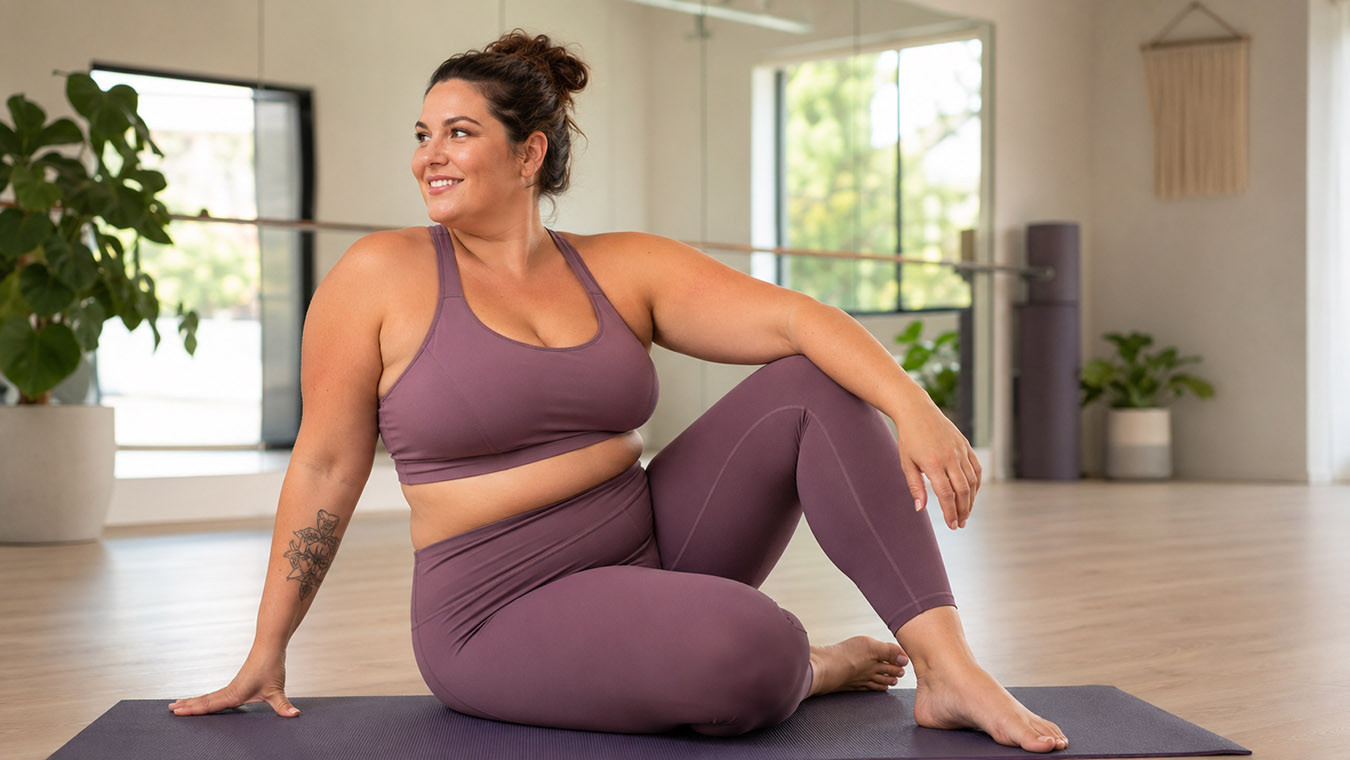
What Defines Plus Size in Activewear Manufacturing
Key Design Considerations for Plus-Size Activewear
Fabric Selection for Plus-Size Activewear
Pattern Development and Fit Grading for Extended Sizes
Manufacturing Capabilities for Plus-Size Activewear
Quality Control Challenges in Plus-Size Activewear
Building an Inclusive Activewear Brand Strategy
Cost Considerations for Plus-Size Activewear Manufacturing
How Bloomto Supports Plus-Size Activewear Manufacturing