Complete Guide to Private Label Yoga Wear for Boutique Brands
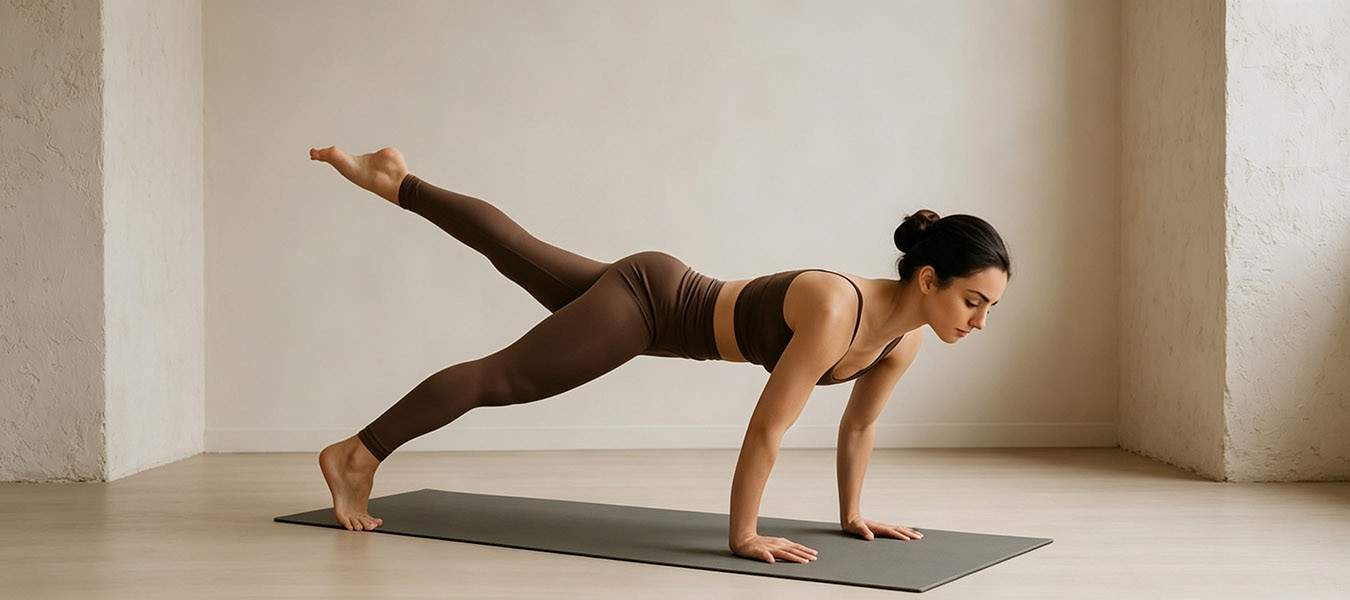
Private label yoga wear offers boutique brands a powerful path to market: you choose from proven, ready-to-manufacture styles, customize them with your branding, and sell them as your own — without the heavy upfront investment of original design and development. For boutique owners, independent designers, and small-batch brands, private label is often the smartest entry point into activewear. This guide covers everything you need to know about private label yoga wear: how it works, MOQ considerations, packaging strategies, cost analysis, and how to choose the right manufacturing partner for your boutique brand. Private label manufacturing means the factory produces ready-made styles from their existing catalog, and you add your brand name, labels, and packaging. Unlike OEM (where you provide the complete design) or ODM (where you modify an existing design), private label involves minimal customization — typically just branding elements like woven labels, hang tags, and packaging. The factory handles everything else: fabric sourcing, pattern making, cutting, sewing, and quality control. Your focus is on brand presentation, marketing, and customer experience rather than product development. Boutique brands face unique challenges that private label solves well: Low capital requirement — no design or development fees, no pattern-making costs. Most private label programs require MOQs of just 50-100 pieces per style. Speed to market — from order to delivery in as little as 3-4 weeks versus 3-6 months for custom development. Proven products — private label styles are tested sellers; the factory knows what works. Focus your resources — invest your limited budget in branding, photography, marketing, and customer experience rather than product development. Test and iterate — launch with 3-5 styles, gather real customer feedback, then double down on what sells. Private label MOQs are designed to be accessible. Here is what you can expect: Stock styles — 50-100 pieces per style, total across all colors and sizes. Perfect for testing new designs. Mixed color splits — most factories allow 2-4 colors within the total MOQ. Mixed size runs — standard XS-XL size range included. Cost per unit for private label yoga leggings typically ranges $12-18 depending on fabric quality, style complexity, and quantity. Compare this to $8-12 for OEM at 500+ units or $10-14 for ODM at 200+ units. The premium reflects the convenience and low risk — you pay more per unit but invest significantly less upfront. Even with private label, you have several branding options: Woven labels — sewn into the garment, typically at the back neck and side seam. MOQ: 500-1000 pieces. Cost: $0.15-0.40 each. Silicone/heat transfer logos — applied to the waistband, chest, or leg. MOQ: 200-500 pieces. Printed hang tags — brand story, size, care instructions, SKU. MOQ: 500-1000. Custom poly bags — branded packaging with your logo. Branded tissue paper and inserts — elevates the unboxing experience. Tip: order more labels and hang tags than garments — label MOQs are usually higher than garment MOQs, and having extras allows for reorders without reordering labels separately. Start with a curated selection that matches your brand aesthetic and customer needs: analyze your customer base — what styles do they already buy? what gaps exist in the market? what price point will they pay? Select versatile foundation pieces — high-waisted leggings (the #1 selling yoga item), sports bras (medium to high support), tank tops and crop tops, and shorts for warmer markets. Consider seasonal additions — long-sleeve tops for fall/winter, lighter fabrics for spring/summer. Resist the urge to launch 20 styles. Start with 3-5 core pieces, prove the concept, then expand based on sales data. Boutique brands win on customer experience. Your packaging should feel personal and premium: tissue paper in your brand colors with subtle logo printing, a handwritten-style thank-you card with care instructions, a sample-size product (like a branded hair tie or sticker) as a free gift, a compostable mailer or branded box for shipping. Good packaging costs $1-3 per order but can increase customer lifetime value by 25-40% through repeat purchases and social media sharing. The unboxing experience is often the first physical touchpoint — make it memorable. Here is a realistic pricing model for a boutique private label yoga legging: Manufacturing cost: $14-16/unit (private label, 100 units). Shipping and duties: $2-4/unit (sea freight, door-to-door DDP). Packaging and branding: $1-2/unit. Total landed cost: $17-22/unit. Retail price: $55-75 (typical boutique markup is 2.5-4x landed cost). Gross margin per unit: $38-53. Even selling 50 units of a style generates $1,900-2,650 in gross profit — enough to reinvest in new styles and marketing. When evaluating private label manufacturers: request their full catalog with pricing, minimums, and lead times; ask about fabric options — standard stock fabrics vs premium upgrades; verify their quality control process — AQL 2.5 is standard; request samples of your top 2-3 style choices; ask about reorder lead times and pricing holds; confirm label and packaging requirements and costs. Bloomto offers boutique brands private label options with flexible MOQs starting at 100 pieces, a wide selection of proven yoga wear styles, and comprehensive branding support from label design to custom packaging. Private label is often phase one of a brand's journey. As you grow, consider transitioning: Phase 1 (0-6 months) — Private label 3-5 styles. Test demand, build your customer base, refine your brand identity. Phase 2 (6-18 months) — Add ODM modifications. Customize colors, add your signature fabric, develop exclusive colorways. Phase 3 (18+ months) — Introduce OEM styles for your best-sellers. Invest in proprietary designs for your hero products while maintaining private label for basics. The brands that succeed long-term don't stay on private label forever, but they rarely start with OEM either. Private label yoga wear gives boutique brands a fast, low-risk path to market without compromising on quality. Bloomto's private label program is designed specifically for boutique brands — explore our catalog or contact our team to discuss your collection.1. What Is Private Label Yoga Wear?
2. Why Private Label Is Ideal for Boutique Brands
3. How Private Label Differs from OEM and ODM
Factor Private Label ODM OEM Design Control Minimal (choose from catalog) Partial (modify existing) Full (your design) MOQ per Style 50-100 pcs 100-300 pcs 300-500+ pcs Lead Time 2-4 weeks 4-7 weeks 8-12 weeks Upfront Investment Lowest ($) Moderate ($$) Highest ($$$) Unit Cost Highest Moderate Lowest (at scale) Brand Exclusivity No Limited Yes Best For Testing, boutiques, influencers Growing brands Established brands 4. Typical MOQ and Cost for Boutique Brands
5. Branding Options for Private Label Yoga Wear
6. How to Choose the Right Styles for Your Boutique
7. Packaging and Unboxing for Boutique Appeal
8. Pricing and Margins for Boutique Resale
9. Finding the Right Private Label Partner
10. Scaling Beyond Private Label