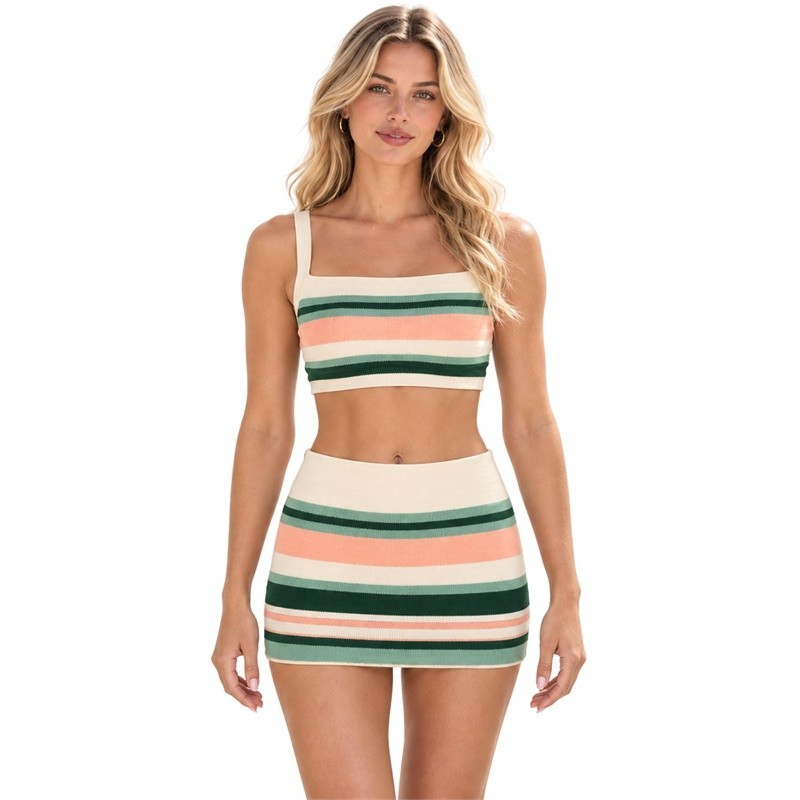
Adding a Second Activewear Manufacturer: A Low-Risk Trial Plan
QUICK ANSWER
How Do You Trial a Second Activewear Manufacturer?
Start with one clearly defined style, an approved specification and a limited pilot order, while keeping essential replenishment with your current supplier. Review the second factory’s samples and production lot separately, then expand only after documented quality, timing and communication checks. A successful trial qualifies a defined scope; it does not guarantee future capacity.
For an established activewear brand, a second manufacturer can provide another route for replenishment or planned growth. The challenge is to test that route without making your next launch depend on an unproven order. This guide explains how to run a second activewear manufacturer trial while keeping your primary supply plan intact.
When Does a Second Activewear Manufacturer Make Sense?
Consider a second source when your team can identify a specific need: an upcoming increase in demand, a replenishment schedule that needs another production option, or a product category requiring different construction capabilities. Define the gap before approaching factories. “We need a backup” is too broad to guide a useful trial.
A more actionable brief is: “We want to qualify this leggings style for a future replenishment order, with the same fit and finish our customers already know.” That gives the trial a product, a purpose and a boundary. If you are still building a shortlist, the guide to custom gym wear manufacturers provides an earlier-stage starting point.
Separate Activewear Dual Sourcing from a Factory Transfer
In this plan, your current manufacturer continues producing approved orders. The second factory earns approval for a limited scope through its own samples and trial production. You are creating an additional purchasing option, rather than moving the entire relationship at once.
Also examine what the two supply routes share. Two sewing factories may rely on the same fabric mill, trim source or transport route. If your main concern is fabric availability, a second sewing location alone may not address it. Record any proposed alternative material as a separate approval decision.
On smaller screens, swipe to see every column.
| Planning point | Primary manufacturer | Second manufacturer |
|---|---|---|
| Immediate role | Continue confirmed core orders and replenishment | Develop and prove a defined trial scope |
| Product reference | Current approved specification and reference sample | Its own approved reference linked to the agreed specification |
| Order commitment | Existing agreed purchase orders | Separately agreed pilot quantity, budget and delivery window |
| Stock release | Existing inspection and release process | Independent inspection and written release of the pilot lot |
| Next decision | Review the normal replenishment plan | Expand, repeat a targeted trial, or hold |
Choose a Contained Activewear Trial Order
Choose a style that matters commercially and is sufficiently documented to evaluate. A familiar product with a stable fit block is often easier to assess than a completely new construction. Keep the first order focused enough that your team can review it thoroughly, while including the details the factory will need to reproduce later.
Do not select an artificially simple sample and treat its approval as proof that a factory can make your entire range. A basic legging does not establish readiness for a supportive sports bra or a pleated skirt. The custom women’s activewear range can help you define the product category for discussion, but qualification should remain specific to your chosen design.
Define the Scope of an Activewear Supplier Trial Order
Before placing the trial, write down the style, fabric, colors, size coverage and quantity. Agree how the size selection will test the intended grading; one approved size does not establish the fit of an entire range. Confirm minimum order requirements against that scope before committing to materials or production.
Set a spending limit that includes development, samples, pilot production, inspection and freight. Define a latest acceptable decision date, allowing time for review and a possible revision. There is no universal percentage of annual volume that makes a trial safe: the right quantity depends on your product, supplier requirements and ability to absorb a delay or rejected lot.
Keep essential launch stock on its existing confirmed route until the second route is qualified. Treat the pilot as inventory that still needs release, rather than counting it as available replenishment simply because production has started.
Keep Activewear Specifications Consistent Across Suppliers
Use a version-controlled technical pack with the measurement method, tolerances, construction notes, material references, color standards and branding files. Identify which version the second factory has accepted. Date the approval, and name the person who can authorize a change.
Consistency means a common product requirement, not an assumption that every production method will be identical. If a factory proposes a different seam, elastic or material, review its effect on fit, appearance and performance before approving it. Record the accepted deviation against that factory and product version; do not silently edit the master specification for both suppliers.
For the detailed sample review stage, use the activewear sample comparison guide. Here, the next question is whether the approved sample can become a controlled, traceable production order.
Track Activewear Lots Without Mixing Approvals
Link each trial lot to a supplier identifier, purchase order, style code, specification revision, material lot where available, and approved reference sample. Keep inspection findings and release status with that record. Warehouse staff should be able to distinguish a held trial lot from stock that is already approved for sale.
Both suppliers may eventually produce the same customer-facing SKU. Your internal lot records still need to identify the source so your team can investigate differences, returns or rework. Approval of the primary factory’s garments cannot be used as approval of the second factory’s production.
Review a Backup Activewear Supplier Before Scaling
Activewear backup supplier qualification needs evidence from the pilot order as well as from samples. Review the lot against the agreed inspection plan and product requirements, including fit, measurements, workmanship, labels and packaging. Where a product requirement needs testing, agree the method and acceptance criteria before production; photographs alone cannot establish material performance.
Record communication and timing alongside garment quality. Did the factory acknowledge the correct revision? Were questions raised before a decision became urgent? Were material substitutions proposed before use? Compare actual milestones with the dates both parties agreed, and separate production timing from transit time.
Use an Activewear Trial Release Record
Complete a record like the one below for each pilot lot. It is a planning template, not a report of a completed bloomto trial. Attach the actual inspection records, measurements and approvals so a reviewer can follow the decision without reconstructing a long message history.
On smaller screens, swipe to see every column.
| Record field | Evidence to attach | Decision to record |
|---|---|---|
| Product identity | Style, specification revision, approved sample ID and purchase order | Exact product and lot covered by the review |
| Material and construction | Agreed references, relevant test results and documented deviations | Accepted details and unresolved differences |
| Fit and workmanship | Measurement sheets, fit notes and inspection findings | Pass, corrective action or hold against agreed criteria |
| Delivery and communication | Agreed dates, actual milestones and change correspondence | Cause of deviations and whether the next plan is credible |
| Labeling and packing | Approved artwork, packing requirements and inspection record | Corrections required before release |
| Final disposition | Named approver, date and evidence references | Release, rework and reinspect, or hold |
Do not average away a critical unresolved issue because the order looks good overall. If the garment uses the wrong approved material, for example, identify the impact and required action before release. A revised sample or corrected document is not evidence that every affected unit in the pilot lot has been corrected.
Record total trial cost as well. A lower unit price can be offset by extra development rounds, inspection or freight. The goal is to understand a workable second route, not to assume that a backup supplier will automatically be cheaper.
Set a Decision Gate for Activewear Dual Sourcing
Agree the decision rules before the trial starts. That helps the team judge the evidence consistently when a launch deadline or attractive quotation creates pressure to move faster. Keep the quality release of the current lot separate from the commercial decision to place another order.
On smaller screens, swipe to see every column.
| Decision | What the evidence should show | Next action |
|---|---|---|
| Expand within the approved scope | Pilot requirements are met, issues are closed and the next production plan is confirmed | Increase the next order deliberately, retaining source and lot records |
| Repeat a targeted trial | A defined, correctable issue remains and the proposed correction can be tested | Set a revised scope, owner and review date before another commitment |
| Hold further allocation | Important requirements remain unresolved or the delivery plan is not credible | Pause new commitments and maintain the existing supply route |
Allocate Activewear Orders by Proven Scope
Qualification is specific. A factory approved for one fabric and construction should not automatically receive a different product family. When adding styles, colors, materials or size ranges, decide what additional approval work is needed. Expand the evidence along with the allocation.
Avoid choosing a permanent order split before you know the second route’s practical limits. Confirm the next order’s material availability, capacity, quantity and delivery window, then allocate against that plan. Your primary supplier’s existing commitments still need to be managed separately.
Keep a Backup Activewear Supplier Ready Between Orders
A qualified supplier is not necessarily holding idle capacity for your brand. Before relying on the backup for replenishment, reconfirm the current specification, materials, commercial terms and production slot. If there has been a long gap or a material change, decide whether a new sample or limited repeat order is needed.
Maintain a simple status record: candidate under development, qualified for a named scope, or confirmed for a particular order. This prevents “approved supplier” from becoming shorthand for “ready to ship whenever needed.”
Why Choose bloomto as Your Next Activewear Manufacturer?
Whether you are adding a second source or considering a gradual supplier change, the practical value of working with bloomto is the support available between your existing product requirements and the next production order. bloomto’s OEM activewear manufacturing service brings specification review, materials, patterns, sampling and production preparation into the development process.
Tech Pack Review for an Activewear Supplier Change
bloomto reviews measurements, construction, materials and artwork before sampling. For a brand changing suppliers, this creates an opportunity to clarify details that may previously have depended on informal conversations. Use the review to identify what must stay consistent and what needs a new approval, especially fit, fabric feel and finishing details.
Activewear Sample Approval Before Bulk Production
Pattern preparation, size grading and sample fit reviews are part of bloomto’s OEM process. Your team can assess physical garments and consolidate revisions before approving production. This gives buyers a practical checkpoint: evaluate the proposed product against your requirements before deciding how much of the next order to allocate.
A Starting MOQ for a Focused Activewear Trial
bloomto lists an OEM minimum of 100 pieces per style and color. That offers a concrete starting point for discussing a contained trial. Confirm the minimum for your actual fabric, construction and size assortment before budgeting; a multi-color range should not be treated as one combined 100-piece order.
Custom Activewear Branding Through a Supplier Transition
bloomto supports custom logos, labels, hang tags and packaging. A supplier change is also a brand-consistency exercise: customers see the whole product, including its presentation. Include these details in the approval pack so the trial covers the finished retail item as well as the garment itself.
Project Coordination for Activewear Replenishment
bloomto’s activewear solutions for established brands include project coordination and annual planning options. For a buyer, these provide a way to discuss the next replenishment cycle alongside development milestones. Agree the review dates, responsibilities and any capacity arrangements for your project so a successful pilot can inform a realistic follow-on order.
These capabilities give your team specific points to evaluate during a bloomto trial. Use the approved sample, actual pilot results and agreed delivery plan to decide whether to keep bloomto as a second source or gradually increase its share of future orders.

Prepare a bloomto Activewear Trial Brief
Keep the brief practical enough for both the development team and the person approving the purchase order:
- Business purpose: the replenishment or growth need the second source should support.
- Product scope: the style, construction, fabric, colors and sizes included in the trial.
- Approval references: technical pack revision, physical reference, artwork and measurement requirements.
- Commercial boundaries: planned quantity, target cost, development budget and delivery window.
- Release requirements: inspection expectations, testing where required, approver and evidence needed.
- Expansion question: the next order you might consider if the pilot meets the agreed requirements.
Include the product details your customers already recognize and any changes you want to explore. That helps the bloomto team distinguish continuity requirements from development opportunities. Confirm the agreed scope, quantities and timing before the trial begins.
Second Activewear Manufacturer FAQs
Should Both Activewear Suppliers Make the Same Styles?
They can, especially when the purpose is to create a backup for an existing bestseller. Each source still needs its own sample and production approval against the common requirements. If the factories make different categories, describe the arrangement as added capability rather than assuming either can replace the other’s output.
How Small Should an Activewear Supplier Trial Order Be?
Small enough to contain exposure, but large and representative enough to evaluate the intended production scope. Agree the quantity with the factory after reviewing material minimums, sizes, colors and inspection needs. A single sample and a production trial answer different questions, so do not substitute one for the other.
Can a Second Activewear Manufacturer Prevent Stockouts?
A qualified second route can provide another purchasing option, but it cannot guarantee stock availability. Materials, capacity, approval timing and transport still matter. Keep essential replenishment covered by confirmed plans and verify that the backup can meet a specific order before relying on it.
Does a Backup Activewear Supplier Need Different Fabrics?
Not necessarily. If product consistency is the priority, the same approved material may be appropriate. If the risk you want to address is dependence on one material source, evaluate an alternative separately for fit, appearance and required performance. A fabric substitution needs approval rather than an assumption of equivalence.
When Should You Increase Activewear Orders with the Second Factory?
After the pilot lot meets the agreed requirements, corrective actions are closed and the next order’s capacity and delivery plan are confirmed. Increase within the scope supported by evidence. A new fabric, construction or size range may require additional development even after a successful first order.
What Should You Send bloomto for a Second-Source Activewear Trial?
Send the technical pack, approved references, style and color quantities, size range, target market and planned delivery window. Explain the role of the second source and the evidence needed for approval. bloomto can review the development requirements with you before the sampling and order scope are agreed.
Can You Switch Activewear Suppliers to bloomto Gradually?
A staged transition can begin by qualifying a defined style with bloomto while existing confirmed orders continue on their current route. Agree the sample and pilot requirements first, then consider additional allocation after reviewing the results. Confirm materials, capacity and delivery for each next order rather than assuming one approved trial covers the entire collection.