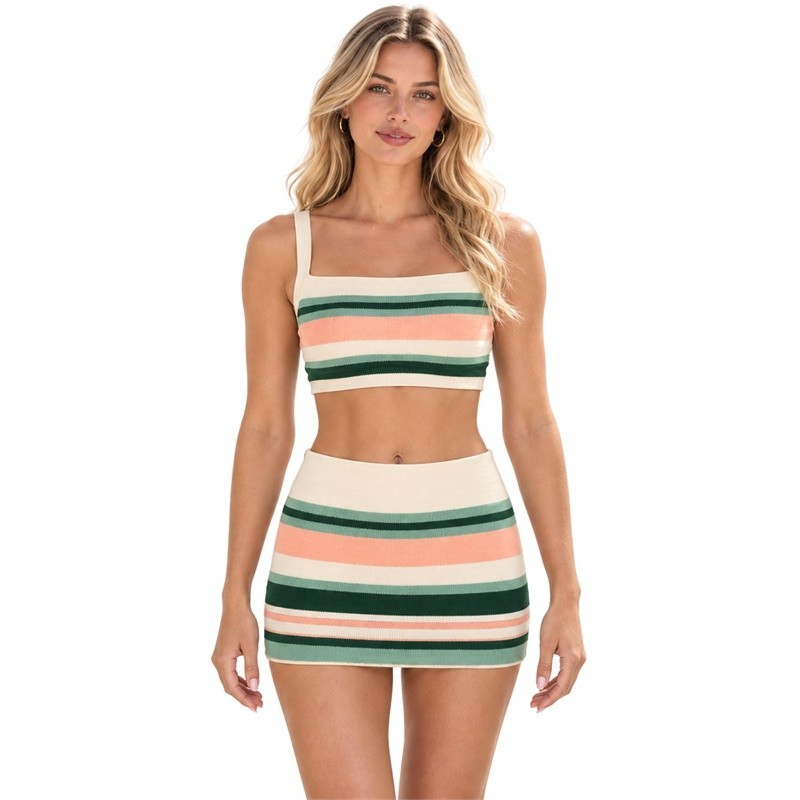
Activewear Sample Comparison: How to Run a Fair Supplier Trial
QUICK ANSWER
What Should an Activewear Supplier Sample Comparison Test?
An activewear supplier sample comparison should check how closely each sample follows the same brief, how it fits and moves, and how it responds to agreed care conditions. Use coded samples, consistent review methods and written acceptance criteria. Record specification changes separately, then evaluate each supplier's response to the same revision process.
Two attractive samples can still be difficult to compare. One may use a different fabric, another may have a revised waistband, and a third may be an existing showroom style. If your team scores them together without recording those differences, the result mixes design preferences with manufacturing execution.
Once you have shortlisted custom gym wear manufacturers, a controlled sample trial gives your product development and quality teams a more useful next step. This guide focuses on that final comparison, after the initial supplier search. At bloomto, our development work connects fabric selection, fit refinement and sampling with the product requirements a brand needs to confirm.
Send the Same Activewear Trial Brief to Each Supplier
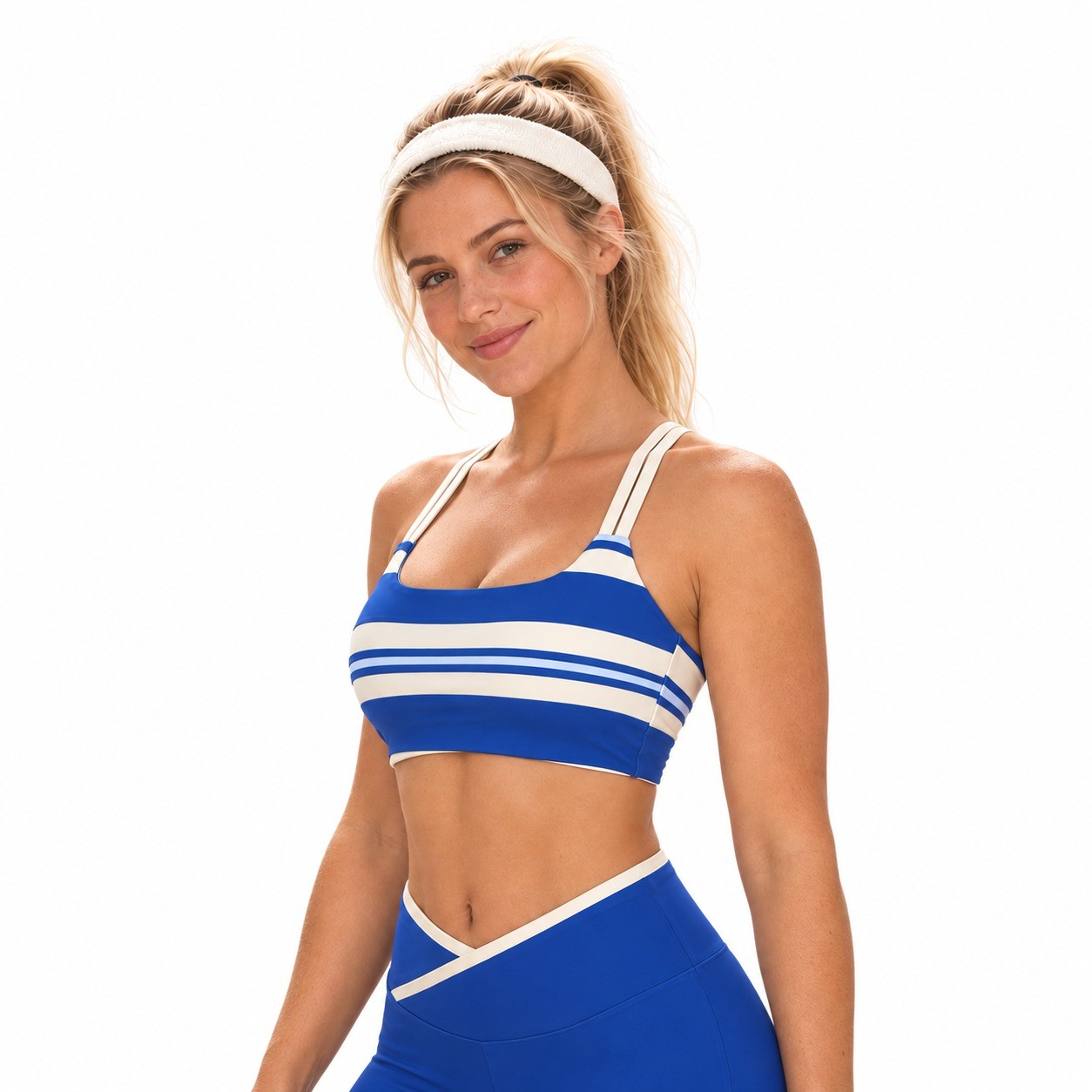
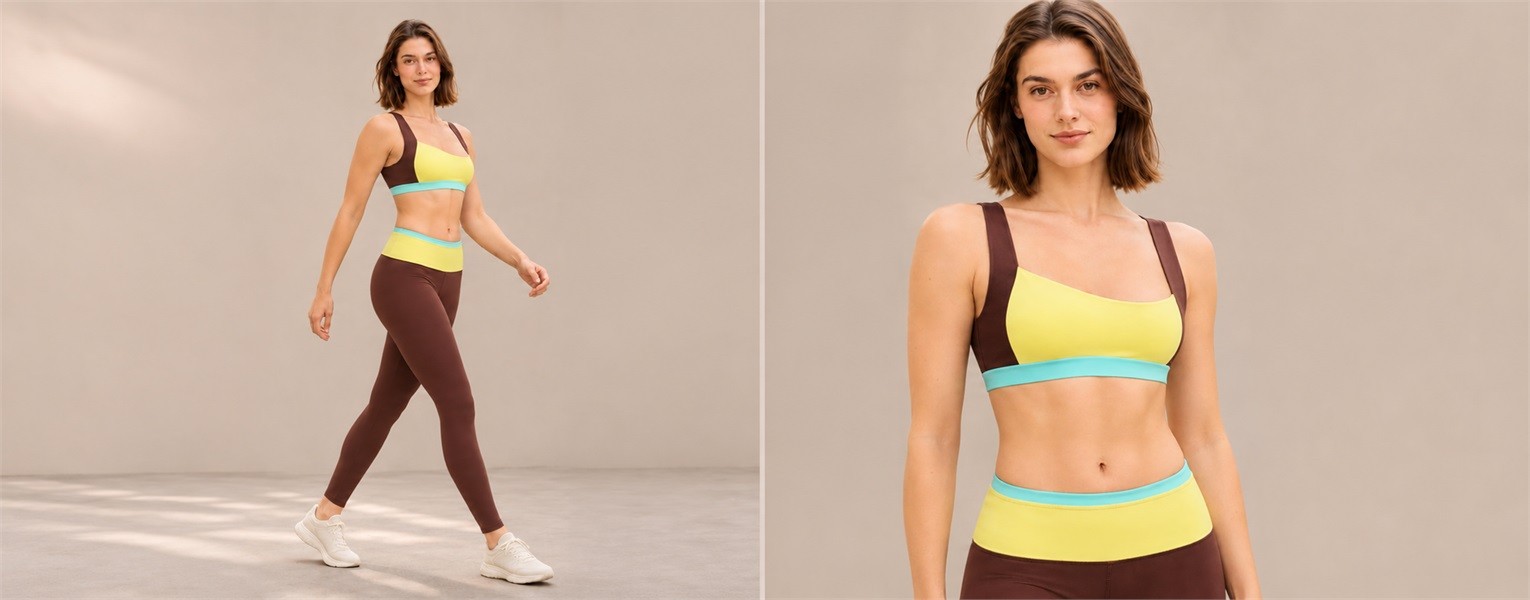
Choose a representative style with details that matter to your collection. A sports bra with contrast binding and adjustable straps tests a different development task from a simple top. Keep the trial focused enough that every candidate can respond to the same requirements.
First decide whether you are comparing execution of a fixed design or development proposals for an unfinished concept. In a fixed-design trial, control the materials and construction as closely as possible. In a development trial, different suggestions are expected. Review their suitability separately from the supplier's accuracy in following agreed instructions.
Define the Activewear Sample Specification and Allowed Changes
Give the brief a version number and issue date. Ask each supplier to acknowledge it, identify open questions and declare any substitute before making the sample. A useful change log records what changed, why it changed, who accepted it and which sample version uses it.
On smaller screens, swipe to see every column.
| Trial field | Give every candidate the same starting information | Record before the review |
|---|---|---|
| Design and construction | Style drawing, reference views, seams, panels and required details | Brief version and any approved construction change |
| Material and trims | Fabric reference or agreed sourcing criteria, color and trim requirements | Actual material identity and declared substitutions |
| Size and measurements | Sample size, measurement points, method and agreed tolerances | Actual measurements against the same specification |
| Branding and finish | Artwork, placement, application method, labels and finishing notes | Missing details or proposed alternatives |
| Intended use | Target customer, activity and the fit or coverage you want | Review tasks and acceptance criteria agreed before sampling |
| Trial scope and timing | Sample quantities, deliverables, due date and revision rules | Receipt date, completeness and exceptions |
If the same fabric is unavailable to one candidate, decide whether to pause that comparison or evaluate a clearly labeled alternative. Matching fiber percentages alone does not establish that two fabrics are identical. Do not quietly treat an alternative material as proof of better or worse sewing capability.
For a coordinated range of custom women's activewear, give each piece its own record. A strong shorts sample does not resolve an unanswered question about the matching bra. Keep collection-level color and styling decisions alongside the individual garment checks.
Run an Activewear Blind Sample Review Under Consistent Conditions
Record each sample on arrival before anyone wears or washes it. Photograph the front, back and relevant details, note the received condition, and keep its packaging and supplier information with the trial file. Confirm whether it is a first prototype, revised fit sample or another development stage. Compare equivalent stages.
Code Activewear Samples for a Blind Review
Have a coordinator assign neutral codes such as S01, S02 and S03. Keep the supplier-to-code key outside the reviewers' worksheets. Where practical, conceal supplier-identifying packaging or removable tags without altering the garment. Preserve care information and traceability in the coordinator's file.
Ask reviewers to write their observations independently before discussing a preferred sample. Keep the same reviewers across candidates and vary the order in which samples are assessed. Reveal supplier identities and commercial information after the garment observations are recorded. Coding can reduce brand familiarity bias, although visible design differences may prevent a fully blind review.
Keep Activewear Fit and Wash Checks Comparable
For each sample size, use the same fit reviewer or the same defined panel across candidates. Record the fit model's relevant measurements and the sample size. Use the same movement sequence, session length and instructions. For example, a proposed studio-wear review might include standing, sitting, an overhead reach and a squat, with the same observations recorded for every garment.
Write down what happened: a strap slipped during a reach, a waistband rolled while seated, or a seam felt uncomfortable at a particular point. A comment such as “better fit” is difficult to act on without a location, movement and description. Keep wearer comfort feedback separate from measured dimensions and visible construction findings.
Before washing, record the agreed measurement points and photograph the same details under consistent lighting and framing. Use a written wash-and-dry protocol compatible with the intended care instructions, including equipment, program, temperature, detergent, load conditions, drying method and cycle count. Keep these conditions consistent across the comparison and remeasure using the same method after the garments reach the agreed dry and rested condition.
If care requirements differ, mark the results as different care scenarios. Do not call a hand-washed sample and a machine-washed sample a controlled wash comparison. Keep an unwashed reference where your sample quantities allow, and agree the sequence of wear and wash checks before starting.
Keep Activewear Screening Results Separate From Lab Claims
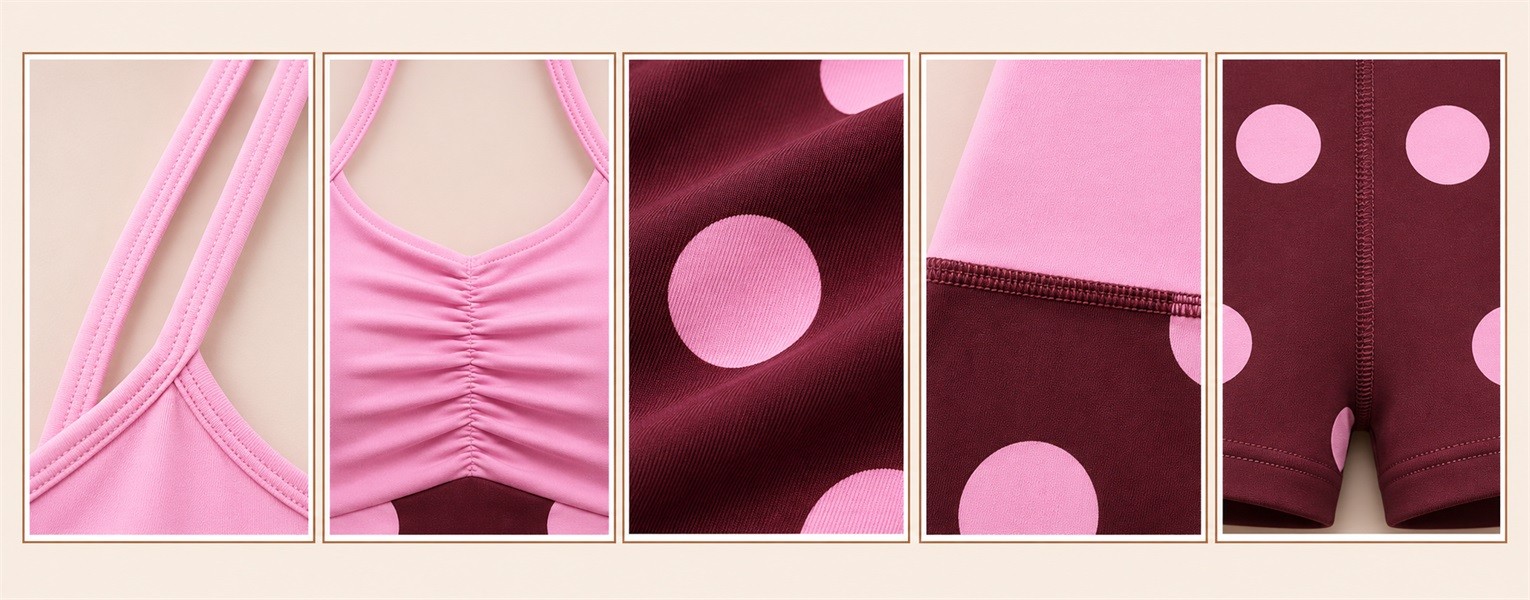
Internal wear and wash checks help identify issues to investigate. They do not, by themselves, substantiate claims about moisture management, abrasion resistance or long-term durability. A visual coverage check also needs a defined size, stretch condition, lighting and viewing setup if your team wants to compare its observations meaningfully.
For formal testing, agree the appropriate method and acceptance criteria with a qualified laboratory. For example, AATCC's garment dimensional-change method addresses home laundering but notes that it may not apply to certain stretch fabrics. Select a method for the actual material and garment instead of attaching a standard's name to an informal wash check.
Separate Activewear Sample Defects From Brief Gaps
For every issue, ask three questions: Was the requirement clear? Did the sample follow it? Was a change approved? This keeps the review focused on evidence and makes the next action easier to assign.
The examples below illustrate how to classify observations. They are not results from bloomto or any supplier trial.
On smaller screens, swipe to see every column.
| Observation | Classification to investigate | Next action |
|---|---|---|
| A measured point falls outside the agreed tolerance using the agreed method | Sample nonconformance | Confirm the measurement, record evidence and request a correction |
| A logo looks too low, but no placement dimension was supplied | Brief gap | Define placement, issue a revised brief and apply it consistently |
| A supplier used a different binding after written approval | Approved development change | Evaluate the change separately from compliance with the original design |
| The wearer dislikes the intended waistband height even though it matches the brief | Design preference or fit-development question | Decide whether to revise the product requirement before rescoring |
| A seam opens during the agreed movement review | Construction issue requiring investigation | Photograph the location, retain the sample and request a cause and correction proposal |
Avoid assigning a root cause from appearance alone. A seam problem may involve several interacting factors. Ask for an explanation and a verifiable correction rather than assuming that one visible issue proves a factory cannot make the category.
Apply the Same Activewear Sample Revision Rules
Define the number of revision opportunities, feedback format and response window before the trial. Give each candidate a comparable chance to respond to its own documented findings. Share a common clarification with everyone when the original brief was incomplete; do not circulate another supplier's proprietary solution or sample details.
Keep the original sample and issue log. Number the revised version, identify the changes, and repeat affected checks. A waistband adjustment may also change how the garment sits or moves, so inspect connected details instead of checking only the edited measurement. Record unresolved items explicitly.
Record the Activewear Supplier Trial Decision
Keep the raw observations before adding scores or weights. Your team should be able to explain why it selected a candidate without relying on an unexplained overall number.
Use the following gym wear sample comparison checklist as a record template. Replace the prompts with actual observations and evidence references for each coded sample; blank or untested fields must remain unresolved.
On smaller screens, swipe to see every column.
| Review field | What to record for each sample code | Evidence to retain |
|---|---|---|
| Specification match | Brief version, material identity, actual dimensions and declared deviations | Measurement sheet and change log |
| Fit and movement | Reviewer, size, movement, garment location and observed result | Consistent review notes and authorized photos |
| Construction and finish | Seam, trim, print or label observation tied to a requirement | Detail photographs with sample code |
| After-care comparison | Wash protocol, cycle count, before/after readings and visible changes | Dated records and matching views |
| Revision response | Feedback sent, clarification received, changes made and checks repeated | Original and revised sample records |
| Decision and open items | Proceed, revise, hold or decline, with reasons and next approval required | Named decision owner and dated sign-off |
Set non-negotiable requirements before scoring preferences. An unresolved requirement should not disappear because a sample earns attractive scores elsewhere. If your team uses weights, agree them before reviewing results and keep the underlying observations visible. There is no universal percentage that makes fit, appearance or speed equally important to every brand.
Combine Activewear Sample Evidence With Commercial Terms
A sample trial shows what was delivered under that trial's conditions. A small number of samples cannot establish a bulk defect rate or guarantee consistency across future production. Before moving forward, confirm the approved version, production specifications, material controls and the next sample or inspection approvals your project needs.
Review the commercial offer against the same product version. If a revised sample changes the fabric or construction, ask whether the quotation changes too. Our guide to comparing activewear supplier quotes explains how to align price scope once the specifications are clear.
A useful decision note names the selected sample version, the requirements it met, the reasons for selection and every condition still open. “Proceed to the next approval stage” is clearer than “approved” when the size set, final color or production sample still needs review.
How bloomto Supports Your Activewear Sample Trial
If your concept is still developing, bloomto's ODM activewear development supports work from mood boards, sketches and references through fabric selection, fit refinement and sample review. We can discuss the silhouette, construction, color and branding details that need to be defined before your comparison begins.
For design-led projects, our activewear development for designers brings together pattern-making support, fabric matching and sampling feedback. Explain which parts of your design are fixed and where you want development suggestions, so a proposed improvement can be reviewed on its own merits.
Prepare an Activewear Sample Brief for bloomto
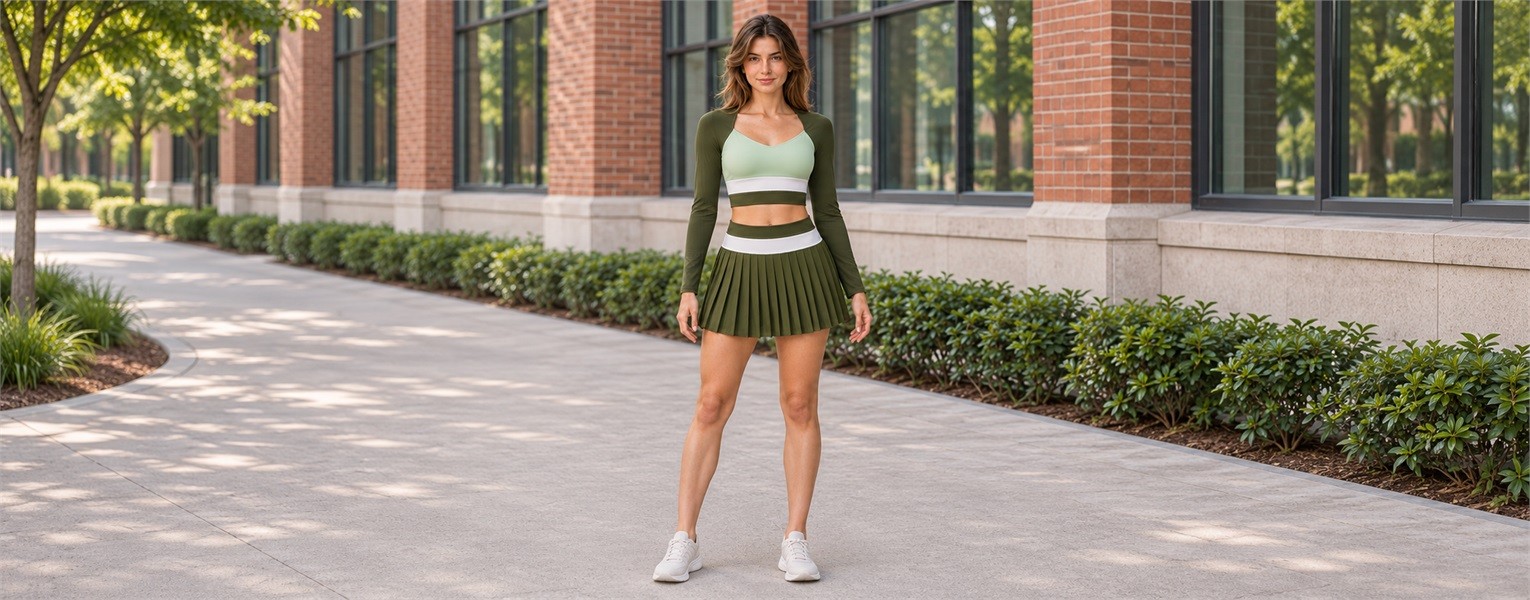
Share your design references or tech pack, sample size and measurement chart, fabric direction, intended activity, branding details and review schedule. Include the acceptance criteria and revision process you plan to use. Mark unanswered questions so they can be discussed before the sample is made.
Apply the same review sheet to a bloomto sample as you would to any candidate. Keep its version, observations and agreed changes in the project record, then confirm which garment and documents will serve as the reference for the next stage.
Activewear Supplier Trial FAQs
Why Can Two Good Activewear Samples Be Hard to Compare?
They may use different fabrics, sizes, construction details or development stages. A sample can look well made while answering a different brief. Record those differences first, then compare equivalent requirements or label the samples as separate development options.
Should an Activewear Trial Include a Revised Sample?
Include a revision when you need to assess how a supplier interprets feedback and corrects a documented issue. Agree the rules in advance, retain the first sample and review the updated version against the clarified brief. Give candidates a comparable opportunity to resolve their findings.
Can I Compare Activewear Showroom Samples With Custom Samples?
Use showroom samples to understand possible materials and construction, but keep them separate from a trial of your own brief. A previously developed style and a first custom prototype have different starting conditions. Request comparable project samples before ranking execution against your specifications.
How Many Activewear Samples Do I Need for a Supplier Trial?
Plan quantities around the sizes and checks you need. Allow for a retained reference and any wash or destructive tests that would prevent reuse. One garment may support an initial discussion, but it cannot show consistency across sizes or establish a bulk defect rate. Confirm the sample plan before ordering.
Should I Choose an Activewear Supplier From a Sample Score Alone?
No. Review the raw evidence, unresolved requirements, revision response and commercial terms together. Also confirm the production controls and approvals needed for your order. A high weighted score should not override a requirement your brand has defined as mandatory.
Can bloomto Develop Activewear Samples Without a Complete Tech Pack?
Yes. Bloomto's ODM process can begin with sketches, mood boards, references or a product brief. Discuss the missing fabric, fit and construction details first. For a fair supplier comparison, turn agreed decisions into a shared brief before asking candidates to execute the same sample.